When cold weather hits, something in an angler’s soul gets stirred up: We want something hard to catch that is small, fast, and will jump off of hook when caught. Enter the yellow perch. While present across all types of freshwater systems throughout North America, these fish eludes both the experienced and beginner angler alike.
It’s a game of finesse more than bulk; one that rewards accuracy and patience over anything else. So you’re asking yourself, what’s the point in chasing a fish that rarely tops the pounds? Well, for starters, it fights much harder then it appears for such a small target.
Why Anglers Love Chasing Yellow Perch
The Appeal of Yellow Perch Fishing
When you hook a two pound perch, it lays the wood to you hard and give you short bursts of speed while running away from you that belies its body girth. It makes a lazy day on the lake a competitive day. You are competing against a fish that sees your offering well and decides if it want to take it or not.
It’s not just about catching them either. It keeps you paying attention to very small detail in the water. You are reading structure that many people just walk past.
Skill Development and Adrenaline Rush
It will sharpen you as an angler all around. You can learn to read a perch school. And you can read most anything.
Those skill directly apply to bigger fish such as walleyes or bass. So not only is it rewarding for what you get, but also how good you are at it. It’s all about the feeding frenzy Perch are schooling fish; they eat aggressively if stimulated and that’s what makes the bite so productive for brief periods of time.
You’ll have frantic bites when you’re in an active school. Reels will scream and lines will go below surface. It’s pike or muskie-like action, just on a different scale.
That’s why it’s so addicting. Anglers love the adrenaline rush. They can feel like they’re trophy fishing without waiting hours to catch one.
That consistency is what anglers crave and that’s what will keep ’em reeled in for the whole trip. Visibility is a major factor in their aggressiveness. A perch’s eyes are very big relative to its body; it has great vision.
Mastering Lure Presentation
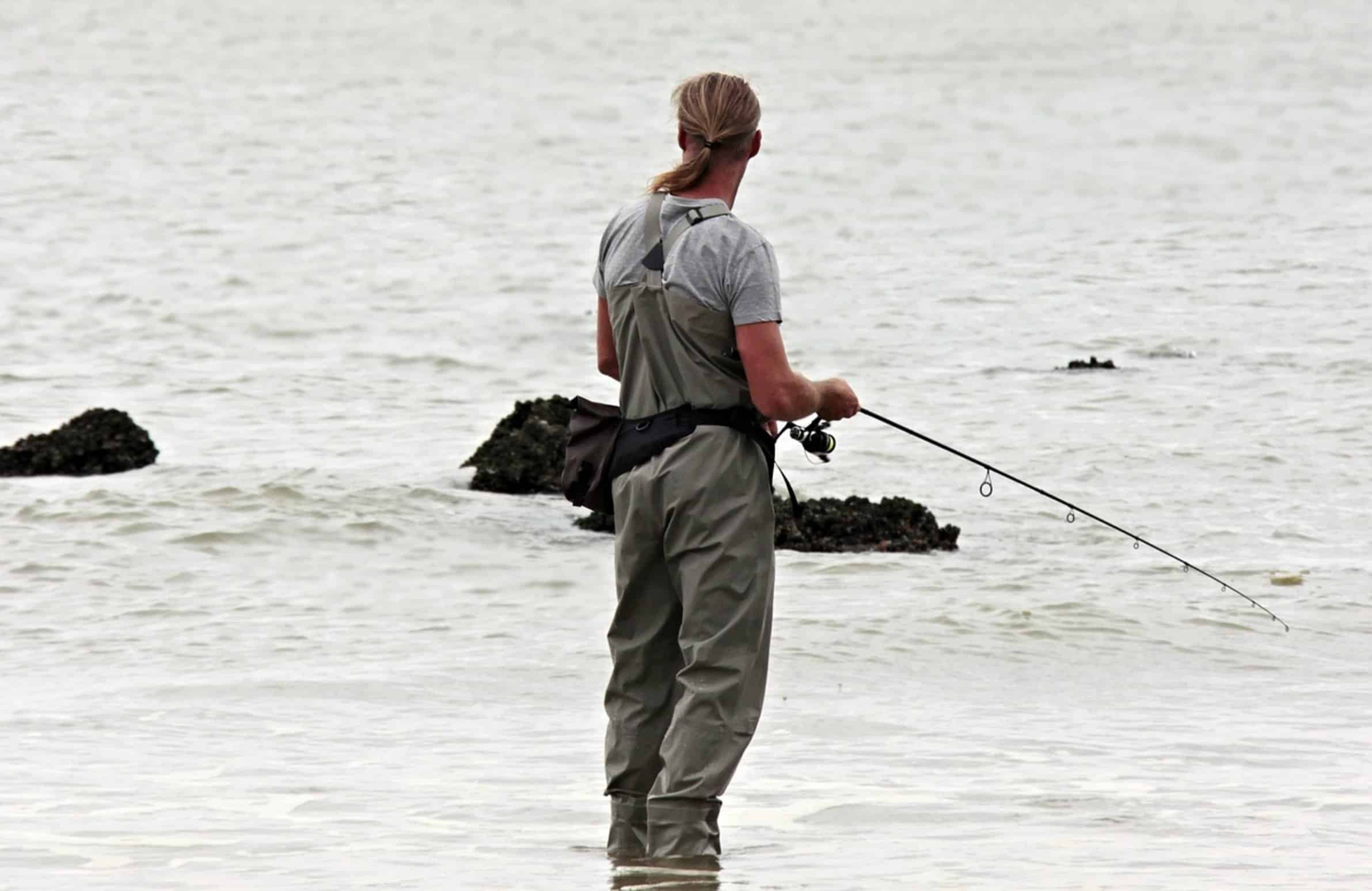
And it uses sight as a major key to finding food. So when you present a lure to a perch, your presentation is even more important than with bottom feeder catfish. You have to get that imitation right and it needs to appear naturaly and move like a minnow or a zooplankton cloud.
If you don’t, no bites. If you do, then it go crazy. It’s an incredibly precise sport where presentation is everything.
That’s why anglers that want to become better at it focuses on this precision aspect. The approach changes according to the seasons. The perch follow the temperatures.
Seasonal Movement and Location
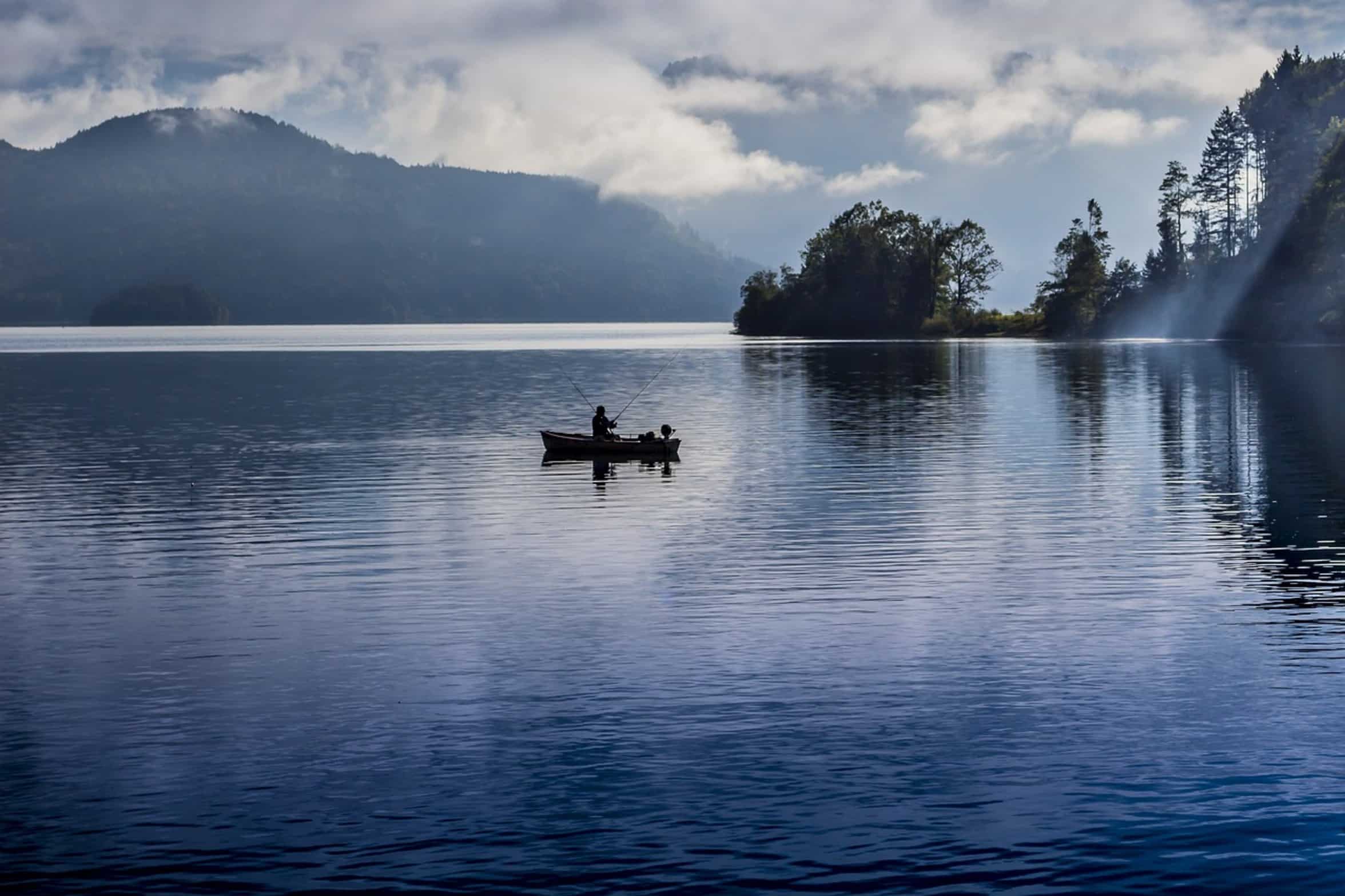
When it gets warm in the spring they go shallow to spawn. They are much easier to find but also more vulnerible in shallow water. As the weather continues to warm, they slide back out deeper to get cool again around weed beds or off drops.
This causes anglers to have to adjust and not be able to catch them in one spot throughout the whole season. Knowing where the fish are moving helps you stay on top of them and makes fishing feel like a puzzle that, once solved, makes you feel like a master. Equipment needs is also minimal.
Simple Gear and Accessibility
Sometimes the simpler the rig the better. Often, a lightweight rod, a nightcrawler, and a little jig are all you will need. That makes it accessible to anyone.
This helps lower the barrier to entry. But learning to present something as simple as that takes a careful touch and some skill. There is a reason it’s not easy.
It hides its complexity in its simplicity and that’s what makes it fun. You learn that less is sometimes more. Finally we can’t overlook taste.
Culinary Value of Freshwater Perch
Freshwater perch are considered by many to be one of the tastiest fish found in fresh water. They are mild, flaky and white, with no harsh musky taste like other bottom dwelling fish. That’s what brings anglers back for more.
It’s rewarding when you can catch your own meal, and even better that the payoff is instant. You go fishing. You catch a fish.
You have dinner. This is a tangible benefit that solidifies the sport and makes the activity meaningful. Yellow Perch fishing is nothing less than a small example of what makes angling so great.
It requires skill, it requires patience, it requires the ability to observe. And it rewards those that pay attention. They are little fish, but there is a lot of lesson in them.
There are a lot of lessons on how to read the water and how to put your lure where the fish want it. Each strike teaches you something. That’s why guys come out here and do it over and over again.
Perch always has something new to teach you; they sit in the shadows waiting to see if you can pass their test…again. You should of seen them jump.