Perch has always been considered finicky feeders, which can be frustrating for angler who holds his or her rod and feels a bite, but then reels up to see nothing on the hook. If you’ve experienced this you’re not alone. So much of finding them isn’t luck as it is knowing where perch feel comfortabley and where they feel they can gets a meal.
Perch aren’t like other fish; they’re ambush predators, which means they loves cover. So if you find yourself standing on flat expanse of bank with no structure or cover out in front of you, chances are high that you’ll be wasting your time by casting randomley. Instead, you want to target certain structure.
Best Places To Find Perch Fish
Understanding Perch as Ambush Predators
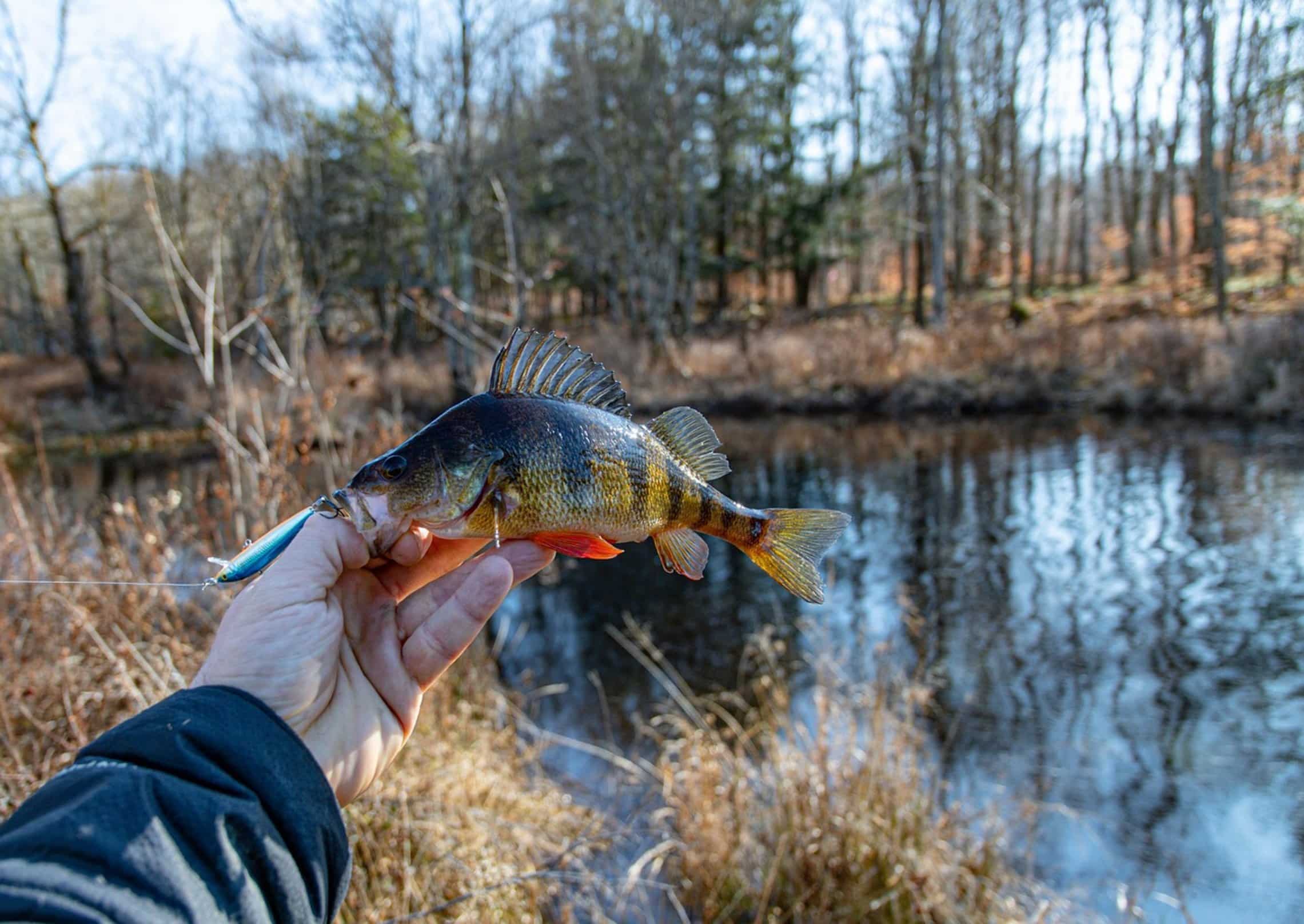
These should provides hunting grounds and places for them to hide while waiting for prey to come within striking distance. Look for underwater structure, such as vertical shift in the bottom of lake. Steep banks, ledges and drop-offs provides perch with security they need to hide from predator while also providing them with an elevated lookout point from which to hunt their prey.
Targeting Underwater Structure and Drop-offs
When using a depth finder, search for any abrupt shifts in bottom contour. If not, simply look for spots where shore sticks out further into the water. Many of these points drops the underwater shelf into deeper water, forming a natural fish highway.
Make some casts around these areas and you’ll put yourself in prime position to catch more fish. Perch also like weed bed. They offers much-needed cover and hold little baitfish and other invertebrate meal on which perch feast.
Fishing Weed Beds and Edges
Don’t, however, throw your casting jig right out into middle of the matting. Look instead toward edge of the weed line and, especially, look for hole inside the mats where perch will patrol for food coming through the weeds. A weedless hook presentation is often mandatory here, too, lest you gets hung up in the thicker stuff, but it can pay off well.
Ambush Spots with Fallen Trees and Logs
Fallen trees and submerged log are great ambush spots to hang out. They can concentrates both insects and baitfish, which attract perch. Keep your line tight and fish slowly around wood.
Perch will circle these obstacle, waiting for easy meal. The slower the retrieve, the more it look like something struggling. That’s an instinctual trigger that makes them bite.
Gravel Bars and Rock Piles
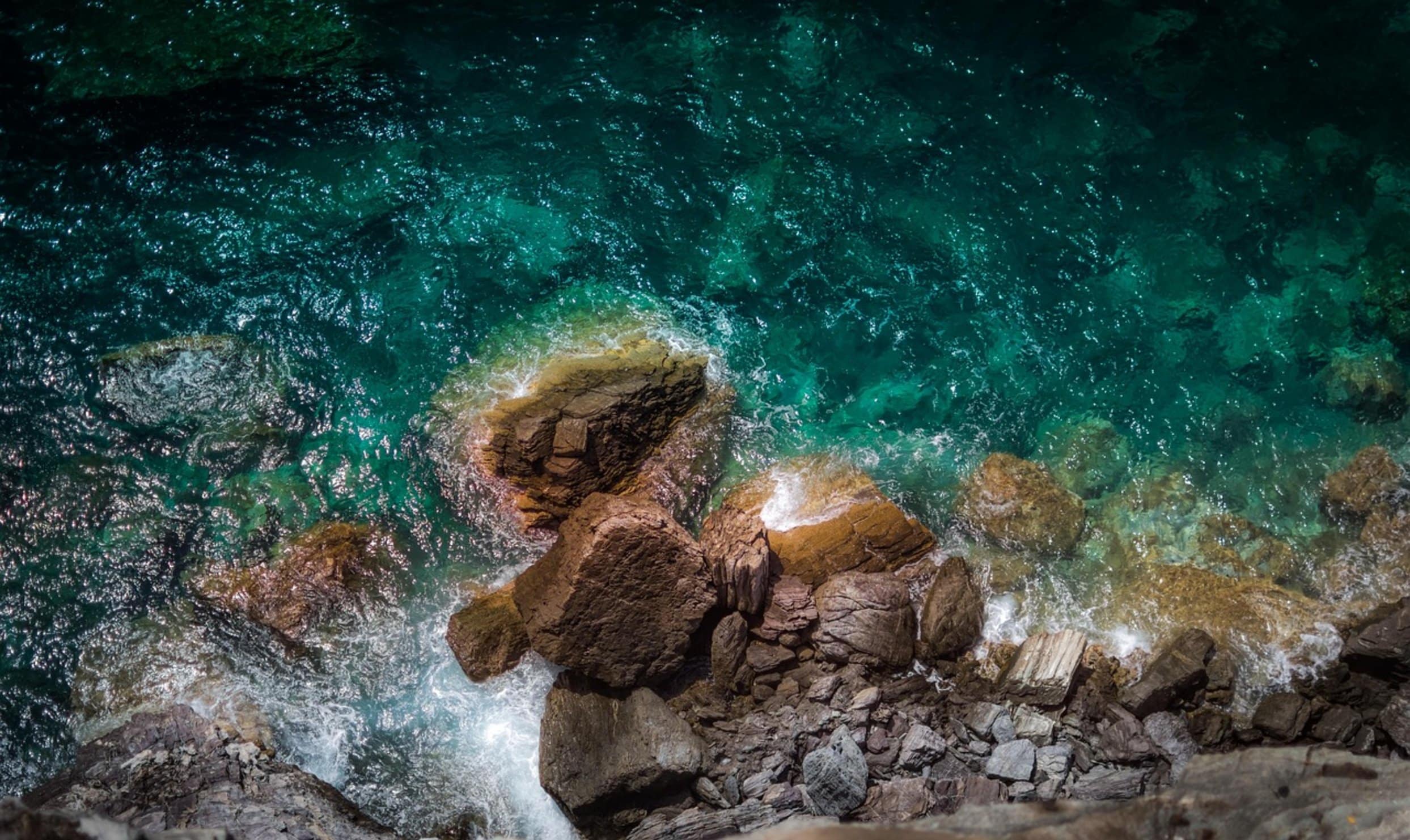
Also, it’s better for your equipment since there is always a risk of getting snagged in this type of area. Gravel bar and rock pile are traditional perch haunts. They tend to be spawning locations, but perch will stay all year long to prey on forage.
The rocks also creates hard cover that most other types of fish don’t frequent, which makes it a safe haven. You’re looking for a good rocky point with some sort of drop-off. Try to keep your lure close to the rocks but not on top of them by using some type of bottom bouncer technique based off how deep water is.
Marinas and Boat Docks
Marinas and boat dock can be incredibly productive place that anglers often overlook. Not only do they provides shade and give the perch some cover but the pilings also resemble a piece of natural structure. Anglers will often chum and toss out bait around these areas so it’ll attracts baitfish and perch.
Throw into shadows underneath the dock, particularly on those sunny days when it’s bright throughout the day. That shade will make the water more comfortable and cooler for the fish; they won’t want to leave. Perch are also very dependent on water temperature.
Seasonal Water Temperature Effects
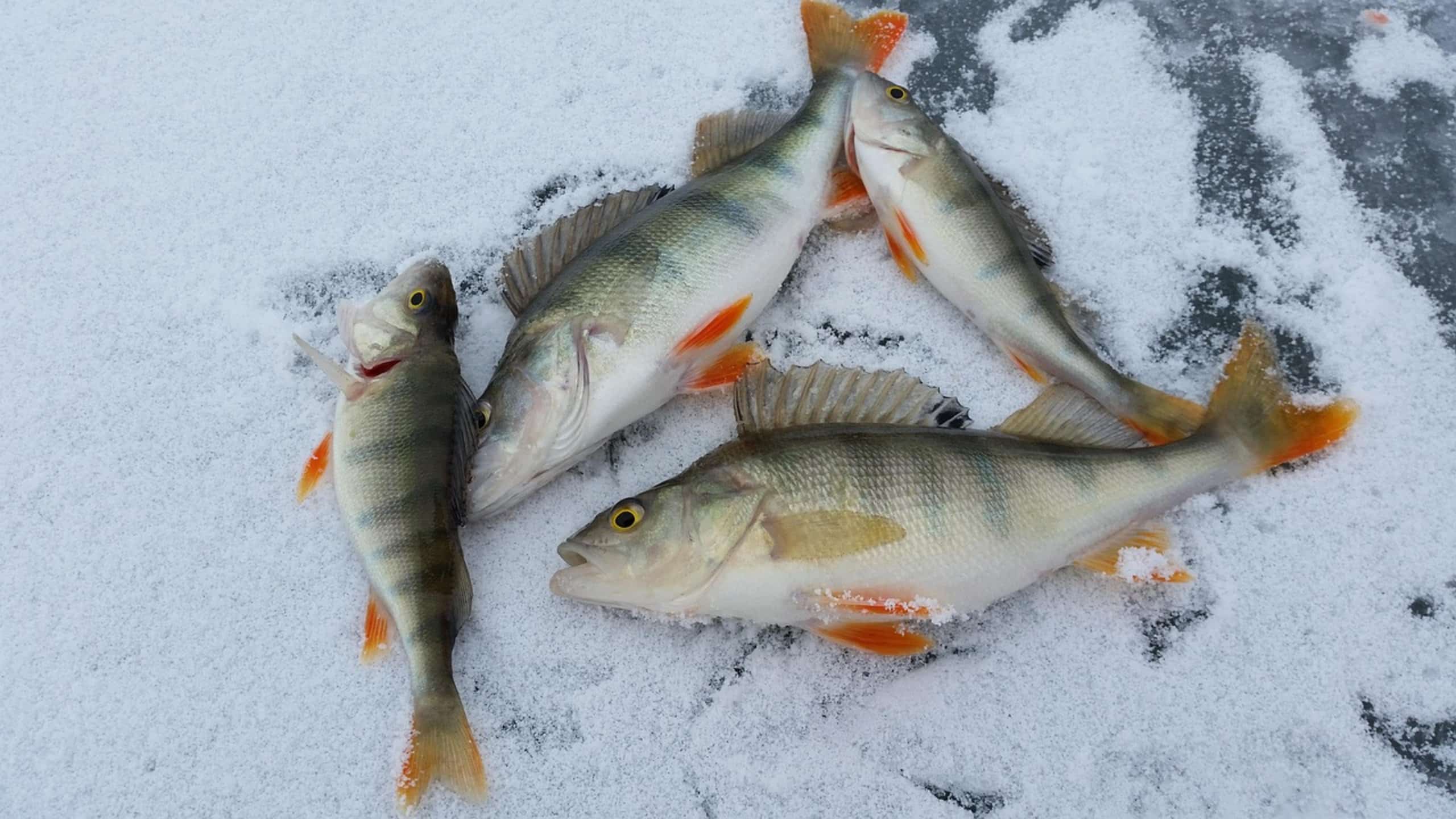
They will moves back into shallow water when it is still warm, or when it stays cool in the spring and fall. Then they tuck away deep and cool off during the dog days of summer. Knowing how their behavior shifts seasonal really narrows things down for you.
Check shallow if it’s cooling down. Look deeper if it’s warm. When fishing for perch, patience is your best friend.
They often like to school up good, so once you locate one perch, chances are there is others nearby. However, it takes a bit of time and some strategy to locate that initial one. You should of used more luck if you didn’t use strategy.
Pay attention to the water temp, scan for structure, make accurate casts and stop guessing, start targeting. The fish won’t be hiding; they’ll just be well-hidden from anyone smart enough to know where to find them.