You set the hook. Your rod flexes. The line tightens on the hook.
The fish start fighting hard and the water swirl around. The anticipation build because you believe you just hooked a largemouth bass. You get the fish up closerer and it’s not a largemouth bass, it’s either a striped bass or white bass.
Many of us does this. It’s not uncommon to hear anglers refer to this forage fish as the bass that gets mistaken for a bass. In fact, it’s pretty easy to see how someone could mistake them for one another.
They both has a similar body shape and they fight alike. However, there are some obvious differences if you pay close attention. Knowing these difference will help you handle your catch more efficienty.
It will also save you some embarrassment. The main suspect here is the white bass. Did you know that they is actually a member of the carp family?
How to Tell White Bass and Striped Bass Apart
White Bass Identification and Traits
That’s right. They have horizontal stripes just like a striped bass, but with vertical bars running down each side of their body. White bass also grow quickly and school in large number.
In many Midwestern reservoirs, white bass are plentiful. When fishing for bigger predator, you will often catch white bass. Another common misidentification is striped bass.
Striped Bass Characteristics and Habitat
Striped bass is a species of true bass, but don’t resemble smallmouth or largemouth bass. Instead they are marked with horizontal stripe running the entire length of the fish. In clear water this feature is readily apparent.
Striped bass are also fish that migrate, meaning that they spends time in both fresh and salt waters. This versatility has made them sought after gamefish for those fishing in both river systems as well as coastal bays. This is Striped Bass.
Hybrid Striped Bass Overview
The story get more complicated when you add in hybrid striped bass. These is hybrids that was created by mixing white bass and striped bass. In theory they took the best characteristic from each parent.
What they get is an aggressive feeder like their parents. Also they recieve the fighting power of the striped bass. They even resemble a mix of two species.
Horizontal bars give way to vertical bars at the tail. Because they look like both, fishermen constantly mistake them for something else. The mouth provides first clue as to the difference.
Physical Differences in Mouth and Body
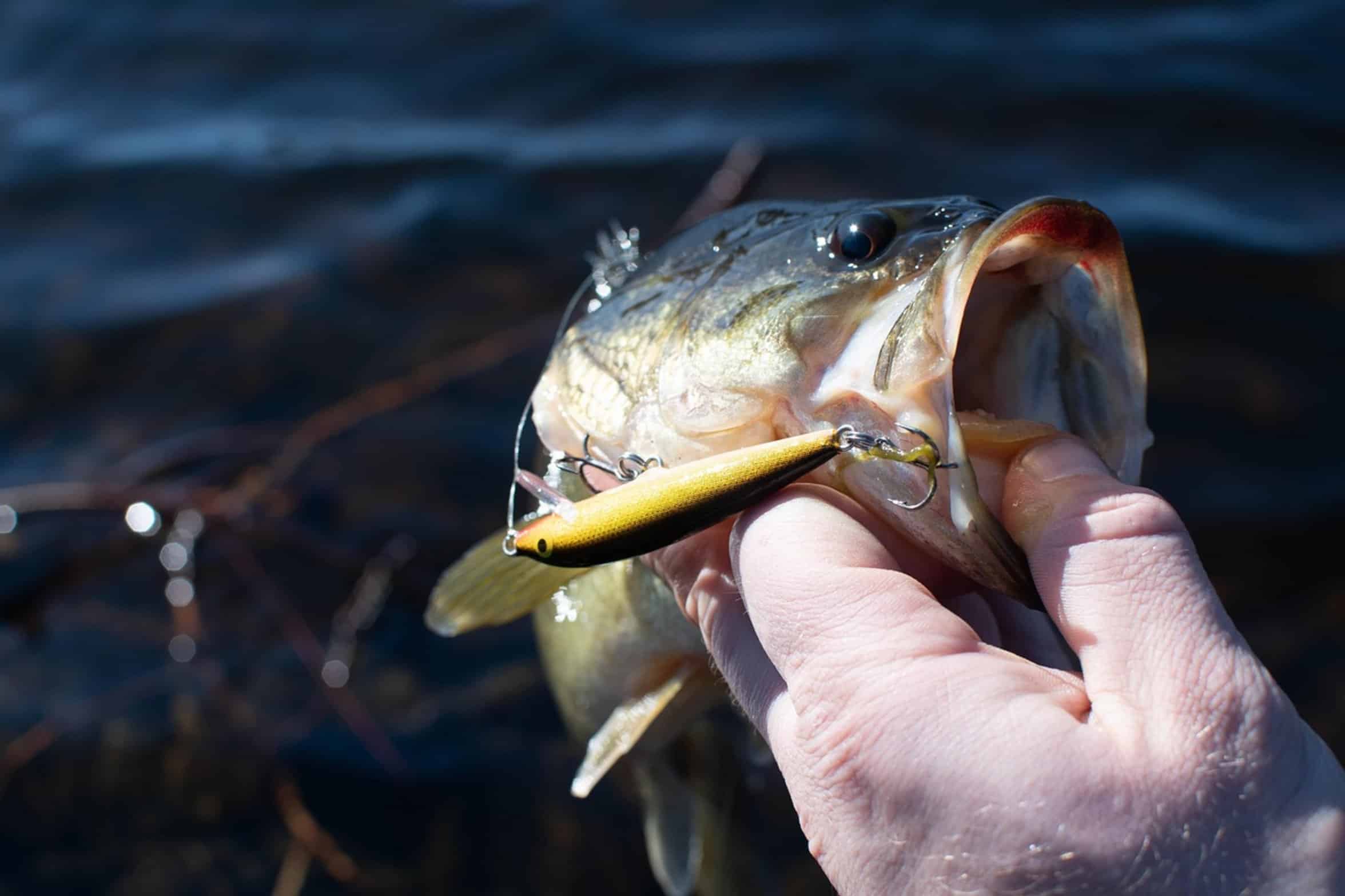
The lower jaw of a largemouth extends past the front of eye. That’s how this species got their name. It also enables them to engulf big prey.
In contrast, both white bass and striped bass possesses significantly smaller mouths. Their jaws don’t protrude past the eye line. So what does that mean?
This limit the size of bait they can consume. Knowing this will help you pick your correct lure size. Another solid indicator comes by way of body shape.
Largemouths (true bass species) is stout with a deeper body. That body shape allow them to accelerate rapidly off a stop. This lets them ambush their prey.
Striped bass and white bass is more streamlined and narrow bodied. They’re designed for speed and endurance versus explosive power. When you pick up the fish, it’s obvious that they differ in girth.
Dorsal Fin Structures
You can also see it in the dorsal fins. A largemouth bass will have two dorsal fins joined with a small amount of webbing between them. The front fin contains spines while the back fin do not.
Striped bass and white bass look like that too except they are separated even more further apart. In a striped bass, the first dorsal fin has dangerous sharp spines. That’s important when you know how to play the fish.
Behavioral Patterns and Retrieval
That separation is important to you as a fisherman. Largemouth bass are ambush predator. They hold close to cover.
They strike quickly and then retreat. Then they tuck back down. Striped bass and white bass are following the current, chasing the bait around in open water.
They’re running with schools of shad or minnows. That behavior difference is accounted for by changing the retrieve. You could of ended up in hot water if you misidentify what you catch due to regulatory concerns.
Regulations and Final Identification Tips
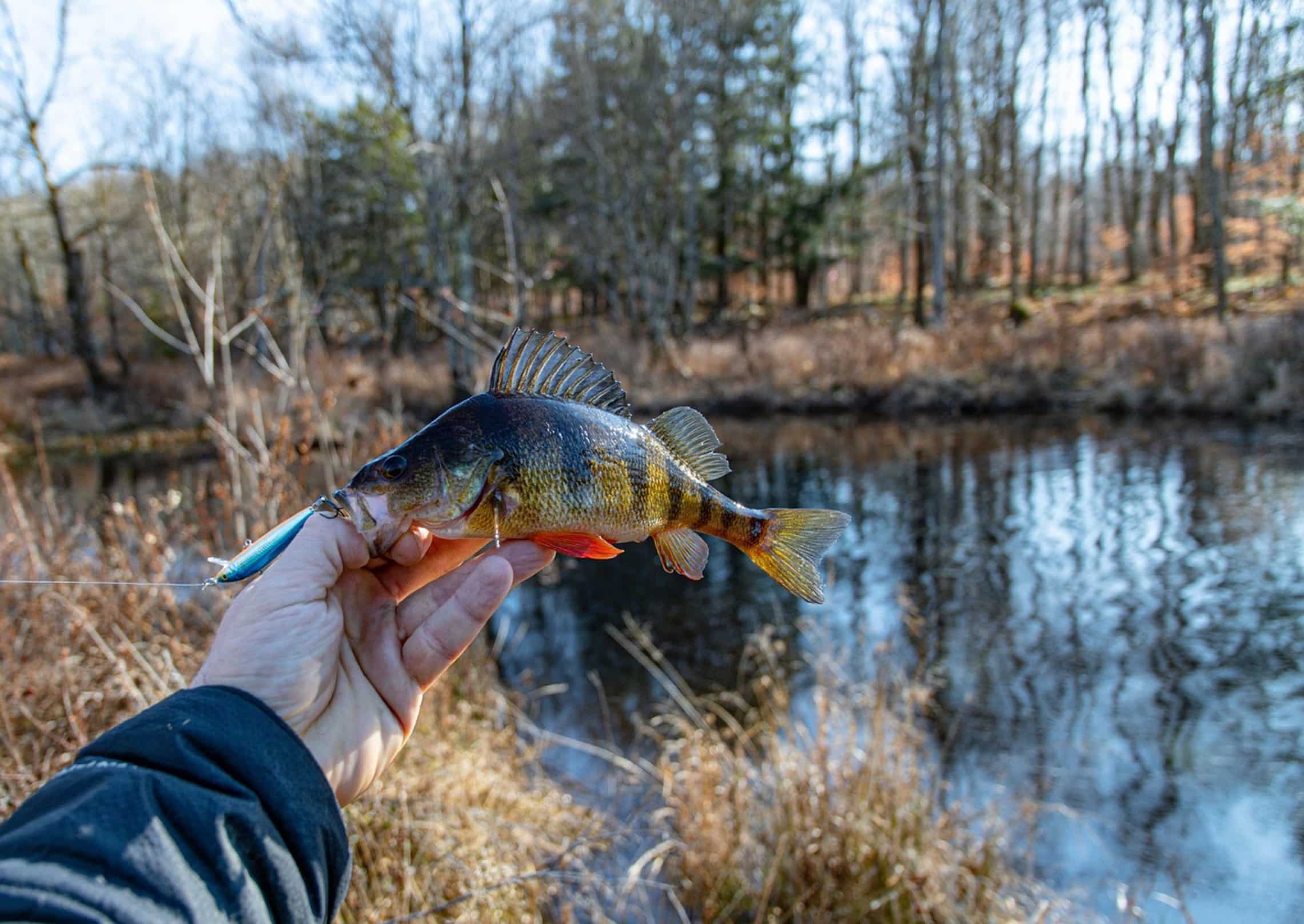
Size limits may vary by species on many water bodies. Conservation rules may protect certain fish, like striped bass. Others, such as white bass, may have no limit.
Always verify your local regulations so that you’re following the law when it comes to fishing. Wildlife officers won’t accept “I didn’t know” as an excuse for not knowing the species. It makes you a better angler.
The more you learn to distinguish between them, the less time you waste on non-target fish. And you come to value all the different types of animals living underwater. Every species has its own purpose in the environment.
Knowing them makes your time on the water richer. Don’t get too excited about a good pull until you look. What does it have on its back?
Check the mouth. Are there any stripes? And what about that body shape?
It could be something else. And that’s half the excitement and challenge in each trip out. The unknown bite isn’t frustrating, but fun.