A big debate among anglers is often heard regarding money and fish catching equipement. If you have seen all of the fancy gears on a top tier reel or looked at high gloss finish on a premium rod, then it’s easy to believe that buying most expensive piece of gear will result in a full cooler. Unfortunately, it’s much more practicaly and not nearly as glamorous.
Bream are smart, savvy fish that feed with a specific pattern and reside around certain structure type. Your rod doesn’t matter to them. Whether or not your presentation can get into their comfort zone matter.
It is not the most expensive. On the shelf, the most expensive bream setup isn’t always best. The best is simply setup that lets you get the bait in front of them, accurately and sensitivly.
If you take out all the marketing hype, catching bream realy doesn’t require much. You want a rod to which you can feel a very slight bite. You want a reel that will handles line smoothly.
You want tackle that make the bait look natural. You can achieve all these things without robbing your bank account. The first thing to consider is the rod, your direct link to the fish.
Essential Gear Tips for Catching Bream
Choosing the Right Rod for Bream
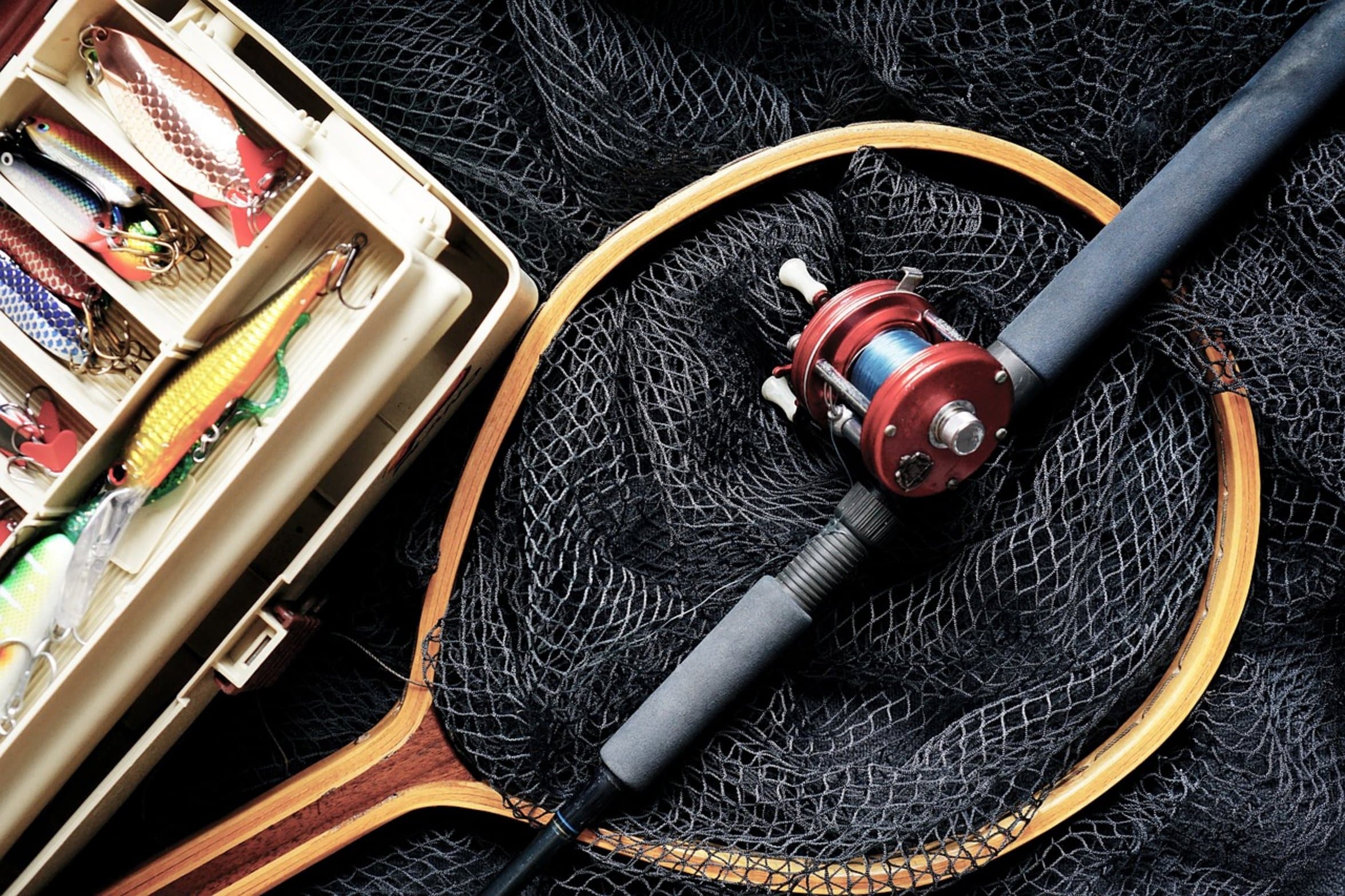
Just because you might catch a five pound bream doesn’t mean you need big power rating on the rod. Instead, it’s best to go light if possible. Seek out a fast-action, light or medium light power rod.
That will provide enough backbone to hook the fish when setting into something a little tougher then just open water. Yet you still want some sensitivity so you can feel slight tick on the line when the fish bites. Surprisingly, there are plenty of budget rods out there from reputable companies such as G. You can find Loomis or Ugly Stik rods in the 6 to 7 foot range that has great sensitivity.
The key is just staying away from super stiff rods. When a bream bites, it often gives a very subtle bite that a stiff rod will masks. Those ticks are transmitted right to your hand via a softer tip.
Selecting a Reel for Smooth Action
Next up is the reel. For bream fishing, there is no need for all the bells and whistles of a saltwater outfit; fancy drags aren’t necessary and a very fast ratio isn’t required. Any basic spinning reel in the 2500 or 2000 size class will work just fine based off this type of deal.
There are plenty of good starter reels available from brands such as Shimano or Pflueger that retail for a song compared to their pro shop version. Smoothness is the key spec here. You want your drag to engage smoothly with no line grabbing.
When you set the hook, if the drag grabs the line the fish will jerk it right back out of the bream’s mouth. You want a drag that engages reliably and allows the fish to wear itself out naturaly over time. It sounds crazy but this is more important then anything else written on the package.
Using Monofilament Line for Bream
Many people make this way too complicated with their line selection. Braid is sensitive but not very abrasion resistant, which can be a necessity on some rocky bream habitat. Fluoro is great but is also pretty spendy when you’re talking longer leaders.
Fluoro is great but also expensive. But monofilament still reigns supreme for bream fishing. It’s good in clear water because it is hard to see.
It also stretches just enough to take the abuse of a bream making a surprise run and absorbs some of the shock. A 6 to 8 pound test is a good compromise between strength and visibility. It will be forgiving on your learning curve too since it is inexpensive, easy to tie and has that built in shock absorber of stretch in mono.
Simple Tackle and Bait Presentation
This also help lessen your chances of breaking off a bream when they cut hard on something. The tackle should be simple, less is more. Because bream are easily spooked and very visual, they don’t like anything that looks wrong.
Keep a jig head size in mind no bigger than an eighth to a quarter ounce depending on how deep you’re going. Matched to a plain old plastic grub or some nightcrawler. Keep it simple by not adding any bulk with heavy sinkers or bulky swivels until the current requires it.
A single small split shot about a foot up from the hook lets the bait just sort of drop freely. It’s cheap and works well. It also means there isn’t a bunch of stuff making the bait heavier and dragging behind it.
Simple looks natural. Complexity adds weight and drag. Master the basics to free up your mind so you can focus on technique instead of adjusting rods and reels.
Techniques for Catching Bream

When you find a good rod and reel combo and have a solid tackle box filled out, what’s left? What changes? That’s where you come into play.
Read the water. Find the structure, such as submerged brush or fallen timber. Make precise casts.
Let the bait rest on the bottom. Patience wins big with this game. Present the bait properly and let the gear do all the work.
Just be ready and strike when you feel a bite. To catch bream doesn’t require a wad of cash in your back pocket, it requires a reasonable set-up and the desire to spend some time on the water. The fish are there; they’re just waiting for you to perfect the basics.
You should of tried this before.