You’re sitting on the structure. Perfect drift. Bait’s right there in their face.
The electronics show a school of perch but they won’t bite. So you get frantic changing lures or start making panicky casts. Both things just cause you to spook what other fish is there.
Often times the answer isn’t running to another spot. It’s simply presenting bait differently. That’s where jigging come into play.
How To Catch Reluctant Perch With Jigs
Why Jigging Works for Reluctant Perch
It takes a still offering and turns it into an active trigger that forces even most reluctant perch to react. Movement and surprise are what make jig fishing appealing on slow days. On pressurized fish or adverse water conditions, the fish gets wary.
A static bait is quickly recognized as being fake. A jig’s movement mimics the odd movements of an injured baitfish. And it imitates a crawling bug.
That little twitch disrupt the visual sameness of the water column. And the focus get drawn towards it without triggering the instant flight reaction a rapid retrieve may do. Offering them a target that appears alive and vulnerable grab their attention span.
Selecting the Right Jig Head and Hook
The key to success with this technique start with selecting your jig head. You’re looking for one that isn’t too heavy. It needs to be heavy enough to cut through any slight chop at the top of the water, but still fall slow enough.
For perch, 1/16 or 1/8 ounce bulbous jig head is often the sweet spot. The bulked up shape help the jig stay upright on the fall which is important since most fish bites on the fall. If you go with a slender jig head, it’s going to dart too much.
You will lose depth control. You want it to sink down there and flutter back up straight looking naturaly. Companies like VMC or Owner make good Tungsten jig heads which sinks quicker.
So you get bottom contact quicker. Fewer people consider the importance of hook size. With smaller mouthed fish like perch, the bigger the hook, the less likely they are to get hooked.
Not only does this increase your misses, but it can cause them to be gut hooked, killing the fish. When you’re fishing for perch, stick with a 2/0 or 3/0 hook size. This gives the fish time to suck the bait up further and makes it easier to set the hook cleanly.
You’re also less likely to snag the hook on grass or weeds which often happens when you fish near structure. They look smaller and thus more like what natural prey would look like, making it more likely the perch will go from an unsure bite to a committed one. You can also have some fun with your bait choice on the jig.
Choosing Bait and Presentation
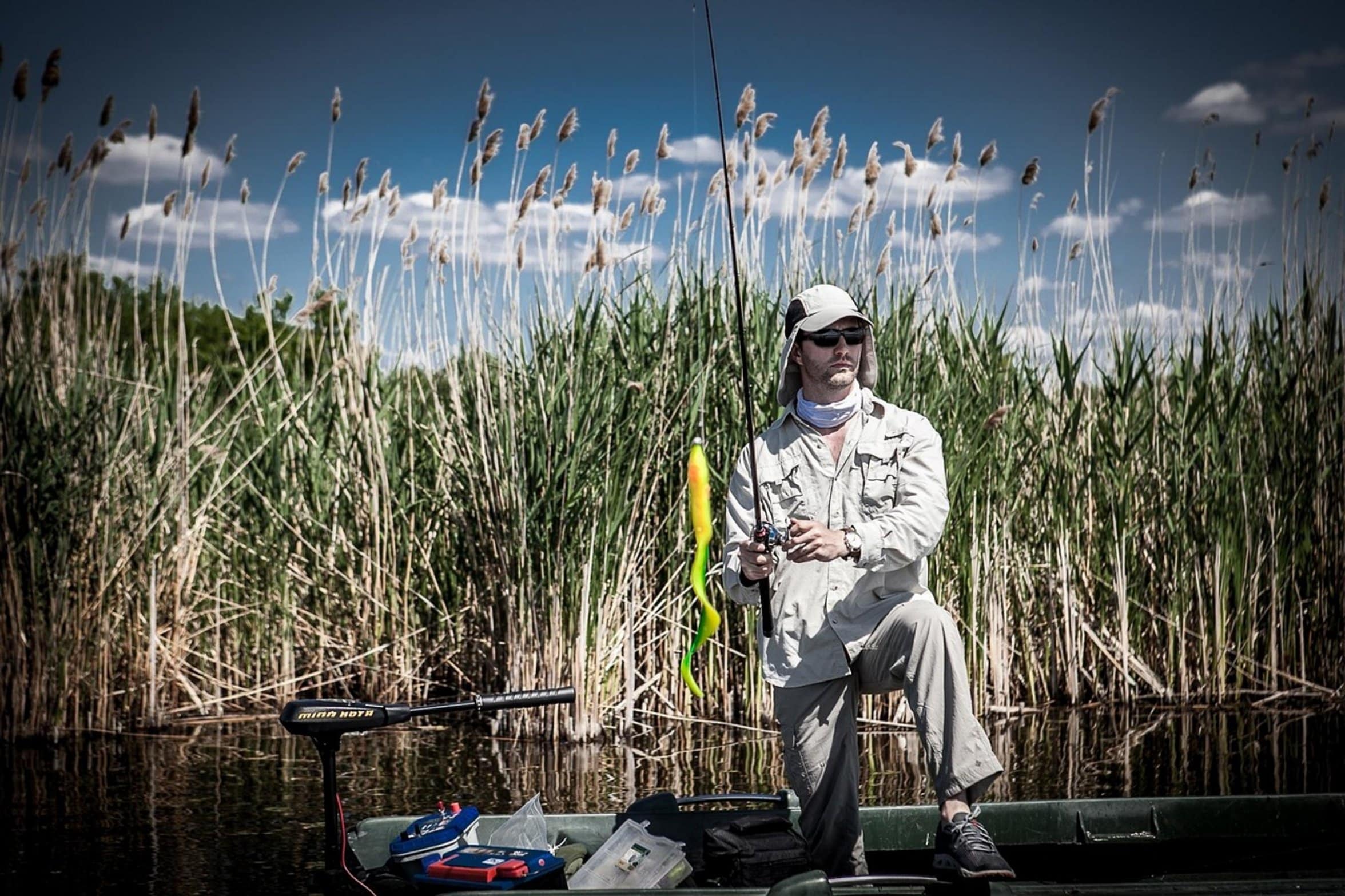
Minnow tails and pieces of nightcrawlers work well. So do soft plastics. Often it’s a little ribbon tail grub or a small plastic crawfish.
They holds on the hook better than live bait. And they give you a good silhouette all the time. Keep the bait small.
Too much on the hook hurt the action. It makes it look bloated. You want the jig to come through the water freely.
Too much bulk from the bait make it act as a parachute. It slows the fall too much. The biggest key is learning how to time your jigging.
Mastering Jigging Rhythm and Timing
Bring the jig down to the bottom and let it sit for a second. Next, give it a short, sharp twitch with the rod tip. Don’t raise the rod too far up.
You want to keep it very subtle. Do this just enough so the lure flutters a bit or jumps off the bottom. Allow it to fall back down.
Continue this rhythm. More times than not, the fish will hit on the pause between twitches. Often they’ll wait until the lure stops moving before they attack.
Constantly working the lure rob them of that moment. Pay attention and be patient when you’re reading this strike. A jig bite for perch can be extremely subtle.
Reading Subtle Bites and Strikes
Sometimes you might feel a slight tap on the line. Other times you’ll notice a slight increase in tension on the line. Don’t automatically set the hook.
Give them a split second to get a full look at the bait. If you set the hook too soon, you pull the lure away from them. This not only spooks the fish but also the rest of the school.
Impatience will cause you to blow the whole school. Pay closer attention to how the line feels rather than what you see with your eyes. Your rod tip may not even visibly rise up off the water.
But you may feel a soft click on the drag. So what does jig fishing for finicky perch boil down to? Rhythm and finesse.
Slowing down. Picking up on the nuances of your retrieve. Many times when everything fails, this will break the cycle of rejection.
Presenting a lifelike offering that triggers their predatory nature. Next time you get stuck on a stubborn school of perch, pull out a small jig. Give a gentle twitch.
You’ll be surprised at how many you missed striking. It should of been more obvious.