Warmouth are plentiful in many Northeast and Midwest river systems; however, big ones is hard to come by. You may see a reflection off of the surface or hear a baitfish splash around. You might think you have them cornered, but they never seem to get within striking distance.
There is plenty of fish to catch, but big ones are rare. Knowing how to target warmouth require knowing they aren’t going to act like crappie, nor will they act like bass. Knowing their preferred habitat and ideal water condition makes all the difference between catching trophy fish and just small keepers.
How to Find Big Warmouth in Rivers
Understanding Warmouth Habitat Preferences
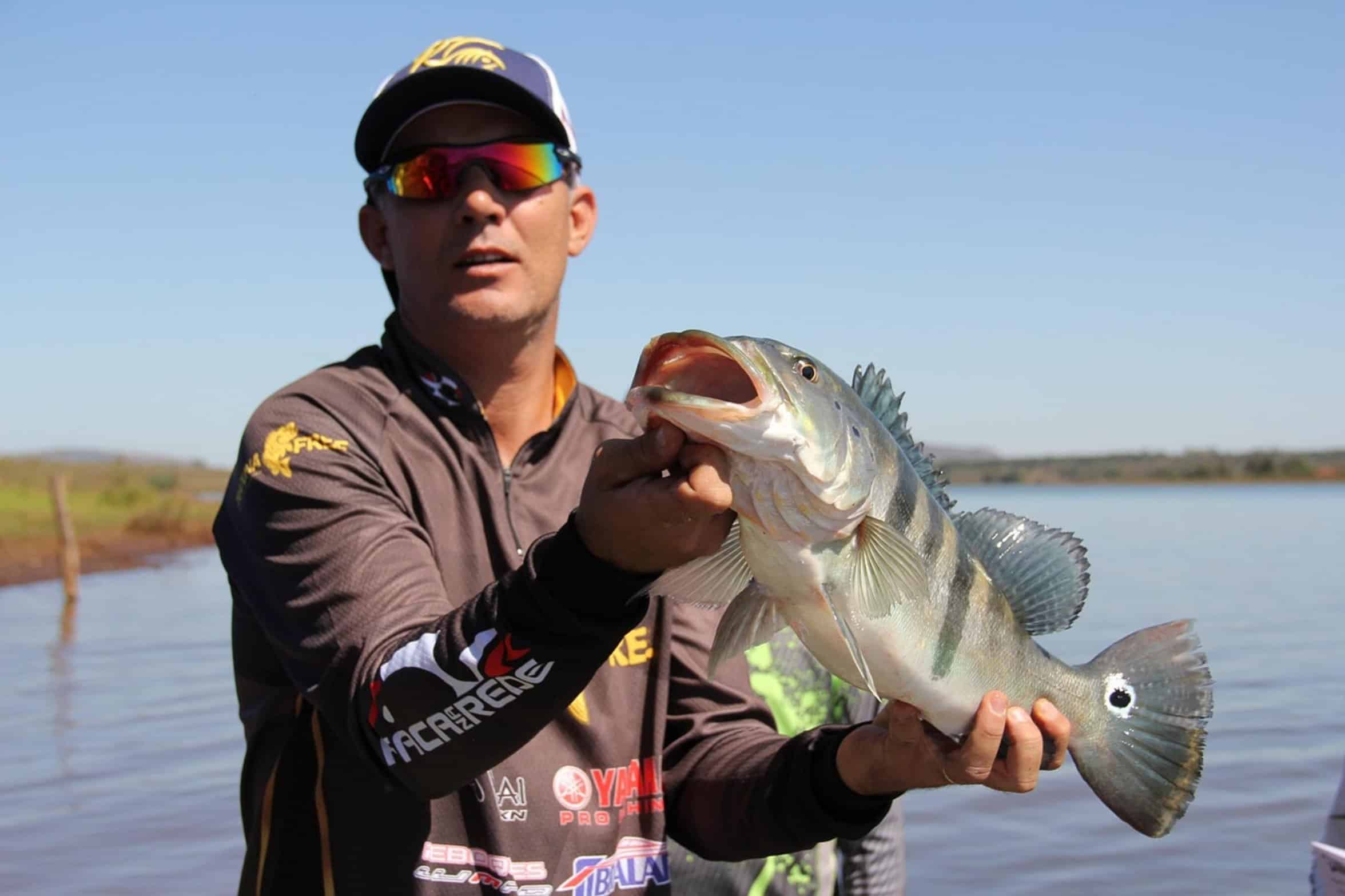
To locate them, you have to think different; they’re not near subtle drop-offs or even open water. You’re searching for something vertical which offer both an ambush point and immediate sense of security. Warmouth are lazy predator; they save their energy by sitting in prime areas and waiting.
Fishing Standing Timber and Fallen Logs
They want be hidden by the structure while the water flow over top of them. When you begin focusing on specific architectural element in the river bed instead of fishing generic spot, you’ll see a dramatic increase in your success rate. Warmouth is particularly fond of standing timber and fallen log in deeper water.
The bigger ones will lay up on deep water brush while smaller guys can get all mixed in with the shallow water stuff. The larger fish moves toward the deeper ends of their woody hideout. Water from three to six feet over the wood is there comfort zone.
Using Jerkbaits and Tube Baits
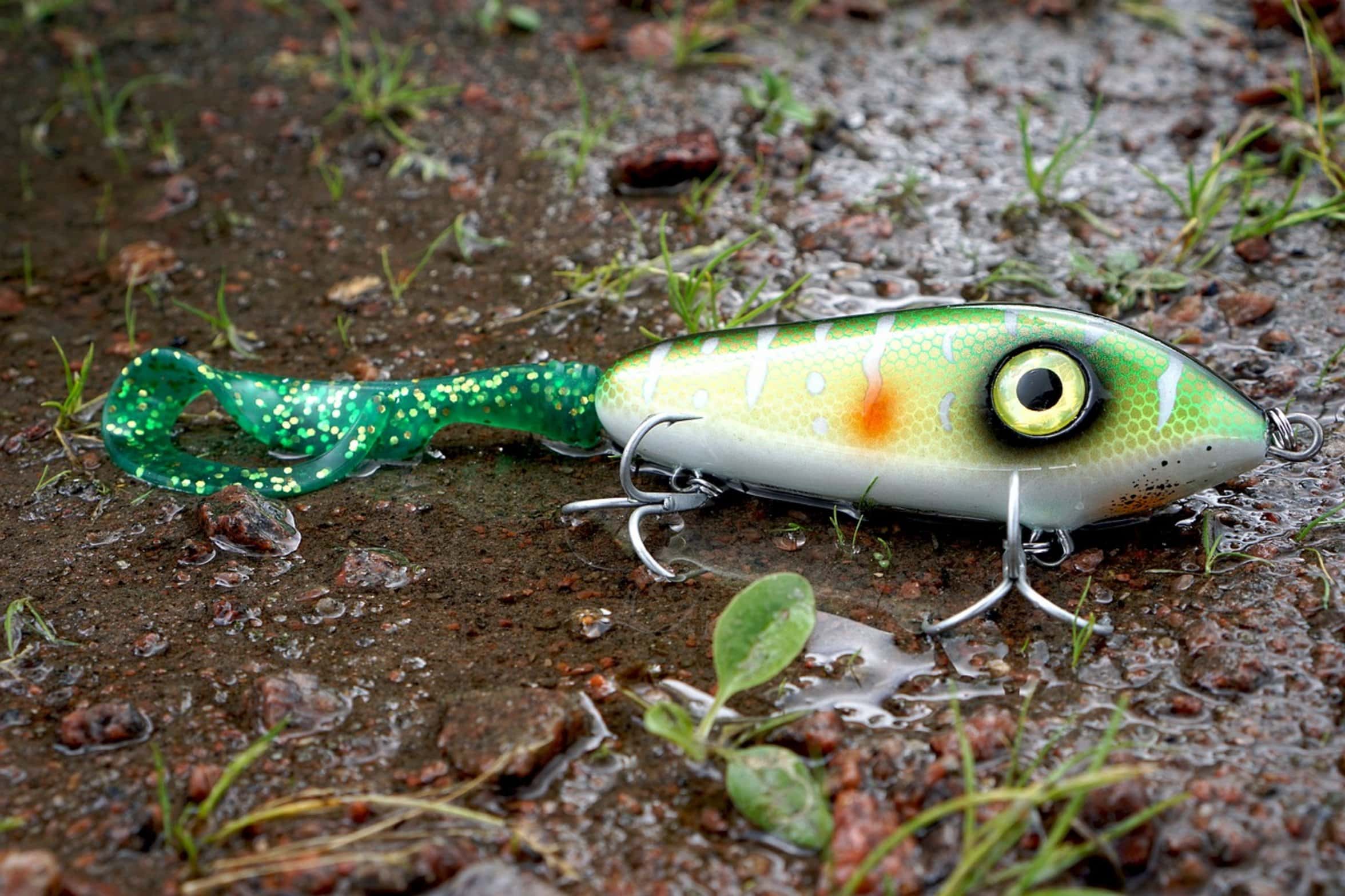
The trees and logs provides not only cover but also shade and an opportunity to exchange oxygen. The way the current swirl around these objects will cause them to settle right underneath a log or tree and stays near the top of the structure. Here’s where slowing your presentation is key.
Targeting Rock Piles and Boulder Formations
Your best bet is a slowly fished jerkbait or dropping a tube bait down carefuly. Cast beyond the piece of structure and use the current to pull the bait in. Don’t rush it, because that scare them off.
Be patient, this is one of those deals where patience are the coin of the realm. Another important piece of habitat are rock pile. But not every pile of rock.
Big warmouth prefers large boulder type formation with crevices in them as opposed to little gravel bar. The rocks gives the fish those tight dark space where they feel safe from both bright sun light and other predator. Targeting the deep hole and ledges in the rock formations is important.
Techniques for Undercut Banks
Smaller, more aggressive fish is found in the shallow parts of the rock. The heavy stuff are held by the big ones. You might be able to drag a small jig on the bottom effectively, but if you get snagged it’s risky.
A softer plastic swim bait that glide across the rocks without snagging is preferable. Feel for a tentative bite and keep your line tight. The fish is wary and the bite is often tentative.
You should of not set the hook too soon. There’s also a ton of big warmouth on undercut bank located on deeper channel edges. They offers vertical structure to protect fish from prevailing current and allow them to wait at the top of the undercut and ambush passing bait.
Seasonal Adjustments for Depth and Temperature
Look for them to position themselves just below the lip of the bank as they wait for a crayfish or other baitfish to float through. It take some accuracy when fishing here. You’re trying to get a bait to fall to the outside of the undercut without actualy colliding with the bank.
A drop shot setup with a little creature bait are ideal here. Simply let it dangle on the outside of the undercut parallel to vertical face. Subtle twitches can draw a bite.
Remember, the fish feel safe in the shade. You want your offering to behave like a natural one that float into their space. The key to knowing where the fish are holding on these structures depend on the season.
During the spring, they’ll be a little more shallow then the rest of the year as they’ll push further back into the rock and timber back waters to feed on spawning baitfish. Summer pushes them deeper and deeper into the structure until they’re in the coolest, deepest water they can find. Fall finds them coming back out to feed up for winter.
The key here is adjusting your depth target depending off the temperature. If the water’s hot, the big warmouth are going to hide in the deep shade under those rocks and trees. Don’t fight the current, work with it.
Look for the structure with the best food delivery and the best protection, and the big warmouth will be waiting for you.