Big Bluegill: Shellcrackers look like big bluegill, those familiar sunfish with there spotted edges and vertical bars. They’re vertical-barred, spotty-edged sunfish. But if you reel one up, things don’t go quite like you expect.
Shellcrackers are a different creature altogether. They eat differently; they act different. And if you approach them like other bream, you’ll pay for it…
In lost fish. You’ll also deprive yourself of one of the most fun battles available on a warmwater fishery. It’s no wonder people gets confused.
They’re in the same family and habitat. Shellcrackers are found in the same slow-moving rivers and weedy lakes throughout the Southeastern United States as bream is. However, the resemblance ends there.
Knowing what sets a shellcracker apart from other bream will change way you approach fishing for them. It will change the lures you throw, the presentations you use, and what you expect to catch. That information can be the difference between a productive day of fishing or an afternoon that was frustrating.
Understanding Shellcrackers Versus Bluegill Differences
Shellcracker vs Bluegill: What’s the Difference
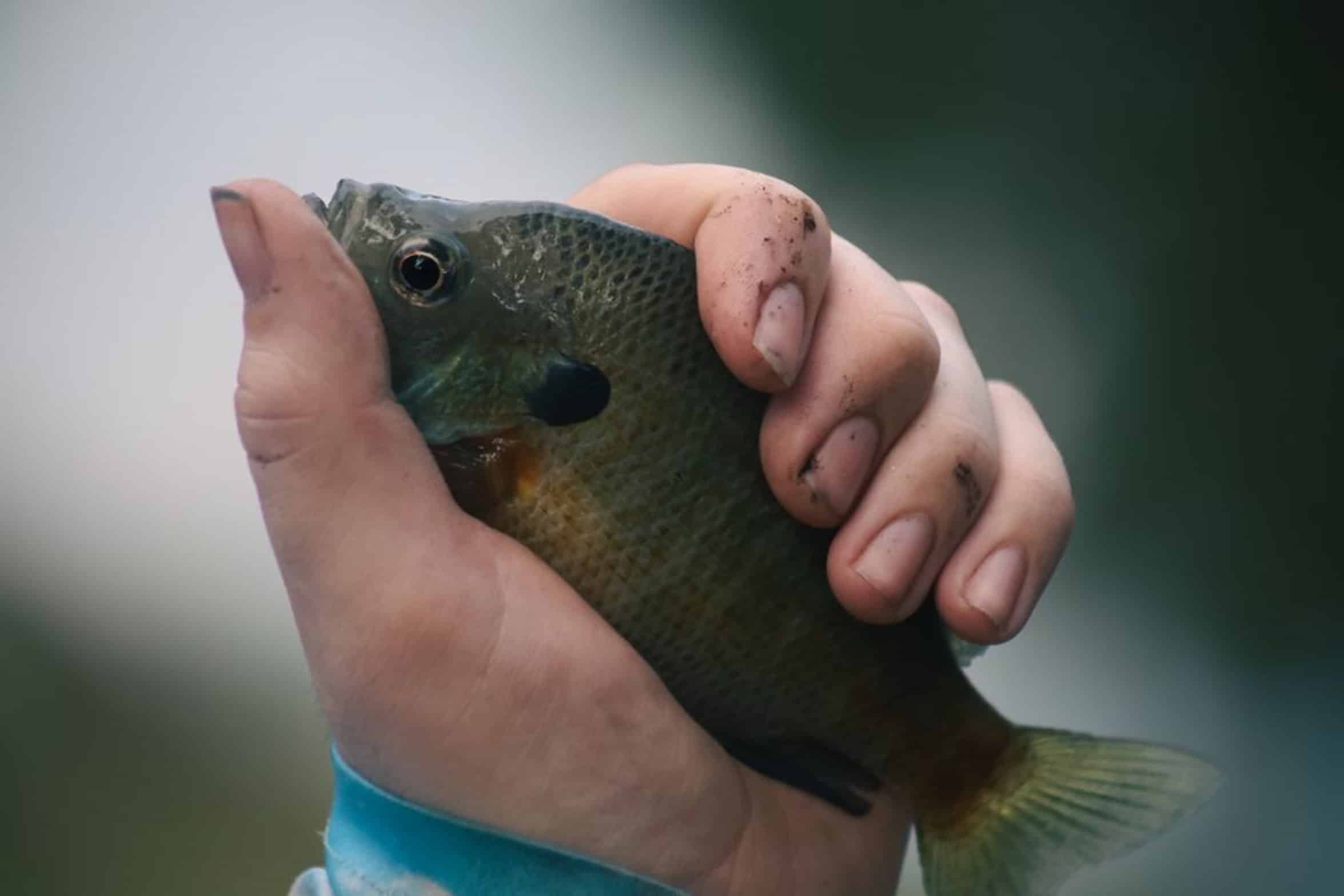
Now, I know what some are thinking: The shellcracker is a sunfish, yes. But it’s not a bluegill. Yes, it’s got a smaller mouth compared to its body.
Yes, it’s stockier in the body shape. And that matters too. The key is how they gets hooked.
Fighting and Hooking Shellcrackers
Bluegill hook up side ways or eat the bait whole, whereas shellcrackers will grab it and hold on and swim off. Which makes them feel like they’re stuck on something solid and can cause you to set the hook hard like a bass does. But you don’t want to do that.
With these guys, you have to let them load the rod up and then go to work. The fight is more methodical and longer than bluegill. Shellcrackers has a specific diet.
Best Bait and Lures for Shellcrackers
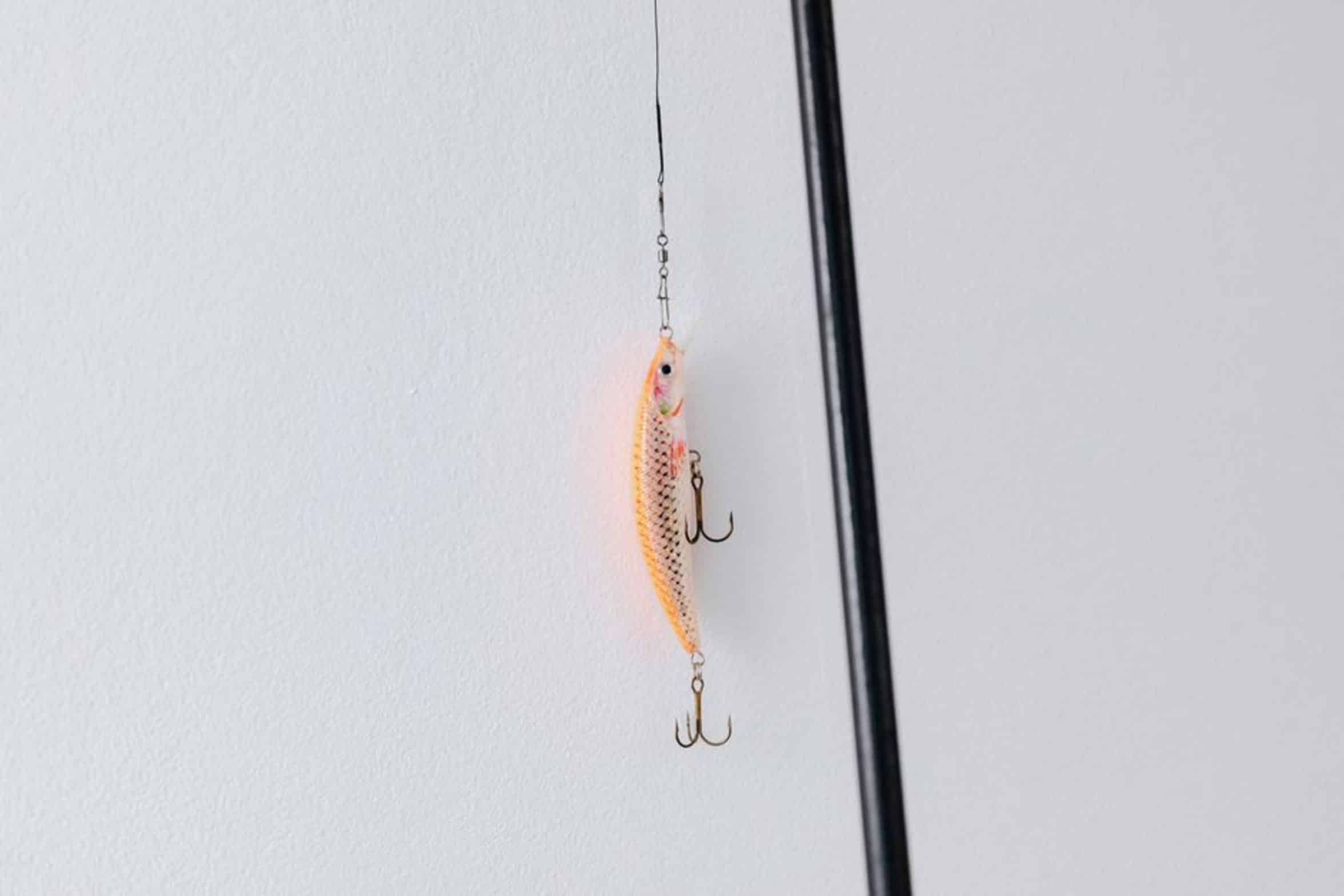
So how’d they get that name? Shell crackers’ specialty diet consists of hard-shelled invertebrate, they’re voracious predators of snails, mussels and crayfish; grinding up there meals with their special set of pharyngeal teeth. Because they’re so dialed into this type of food source, they’ll gravitate toward anything that looks like it.
So while standard bluegill fare typicaly focuses on small baitfish or insects, you’ve got to put a little more thought into what you’re using for bait. Live nightcrawlers are great. But again, that’s not your only choice.
Any artificial lure with a hard profile or one that closely resembles a crustacean will likely produce bites. It all boils down to showing them something that resembles a meal they can crush.
Where to Find Shellcrackers
Shell crackers relate to any type of structure with food and cover. Heavy weed beds, rock piles and submerged logs is all good places to look for them. Generally they like to live in clearer water than bluegill can handle. That way they can see there prey from afar.
Accuracy is key on these fish around the cover. Their eyesight is good and they are wary. A sloppy cast crashing through the cover scare them away.
A longer rod helps with accuracy on the cast. Hold your line down and keep it quiet. Presentation makes difference in many cases of spooking or getting a strike.
Tackle and Rod Setup
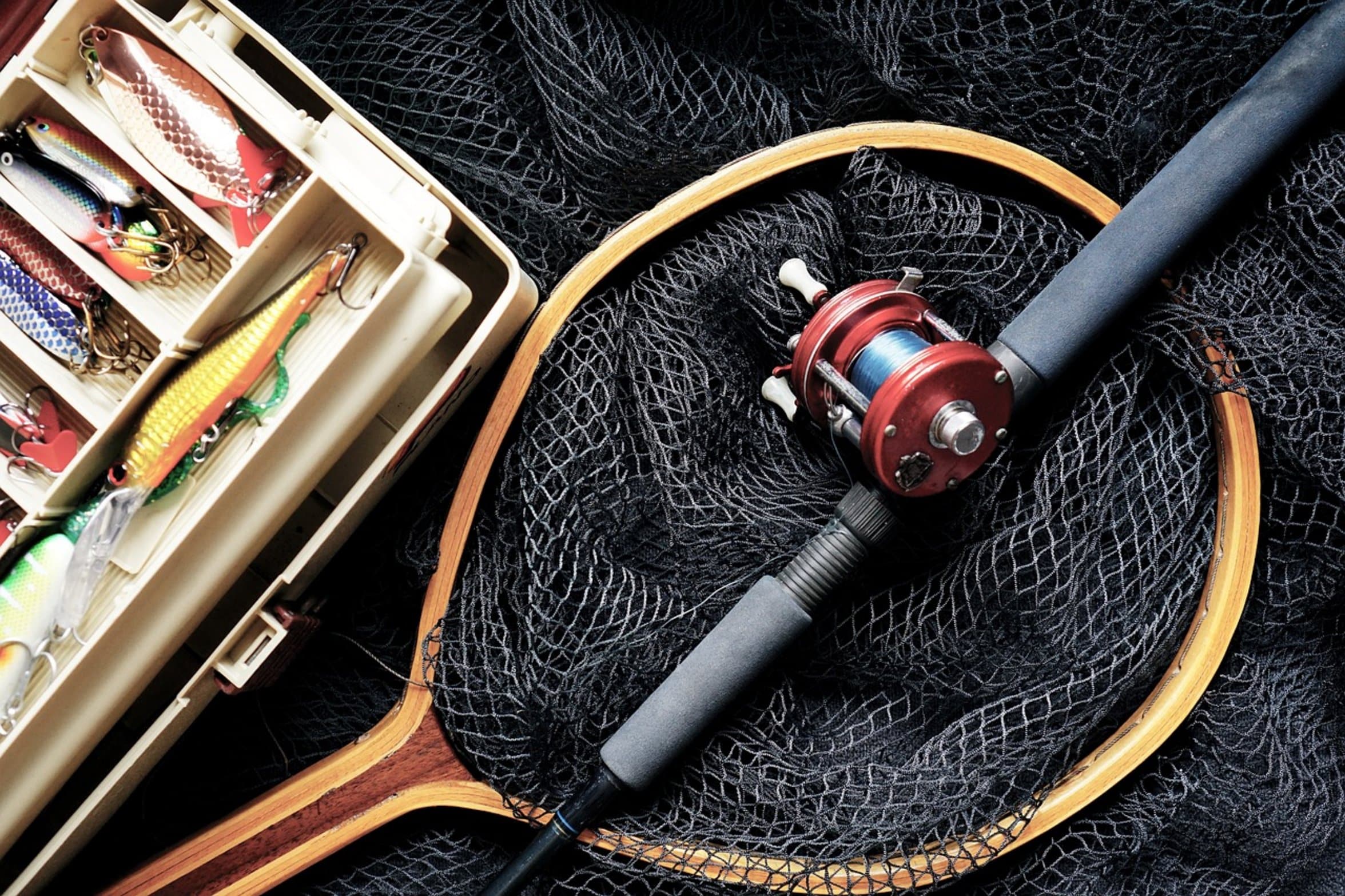
Their fight deserves tackle that reflects this characteristic. You do not need heavy line, but something strong can handles them. Use a fast-tipped medium power rod that give you control over the fish.
It also offers the sensitivity to feel those light bites. Most anglers use monofilament line due to its abrasion resistance and stretch. They often hide near sharp cover.
The last thing you want is a line that snaps every time you touch a rock or piece of wood. Braided line is just too unforgiving of there erratic runs and they see it too well in the cover. Go with eight to ten pound test mono.
That’s the sweet spot for both look and durability.
Best Times to Fish for Shellcrackers
You need to decide when to go, which is where timing matter. Although shellcrackers are active feeders, they’re not going to eat just anything.
You’ll have more success by fishing early mornings and late evenings. They become more confident under those lower light levels. Throughout the day, they’ll hide up in thicker weed growth or move out to deeper water.
You’ll often find yourself dead in the water if you’re fishing in the middle of the afternoons. When the sun gets high, patience becomes a virtue. When you do have to fish during the day, focus on the edges of deeper drops offs or heavy shade.
It’s gonna slow down but it’s still there. Adapt to the conditions.
Cooking and Eating Shellcrackers
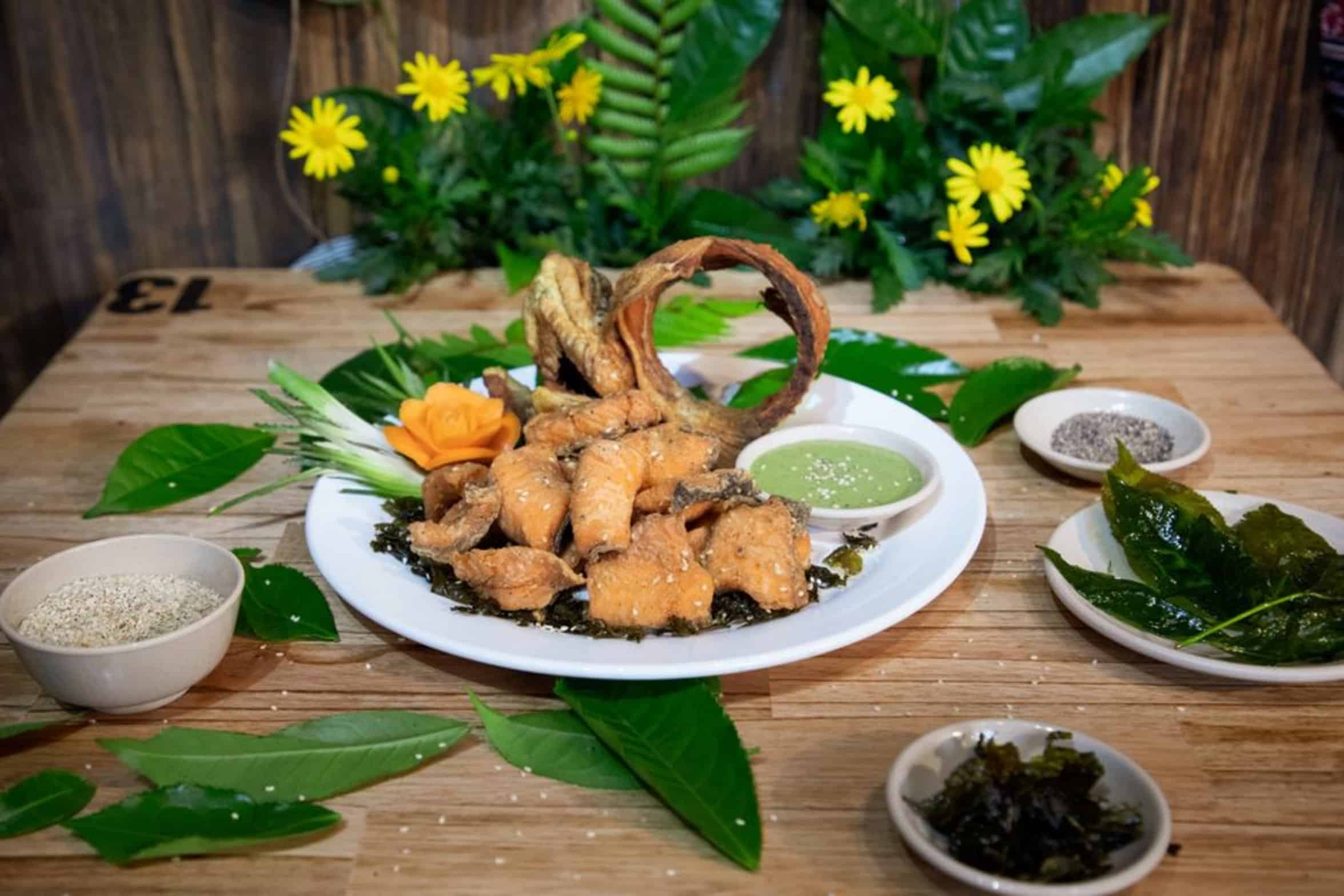
And finally you get to cook ‘em. Shellcrackers are firm and flaky with white meat. They don’t have the muddy flavor of other bottom-feeding panfish. Classic cooking methods includes pan frying.
Coat the fillets in flour or cornmeal and fry in butter. The result is tender inside and crispy outside. It is a meal worth all the effort it took to catch them.
Because they look like trash fish, many anglers dismiss them as such. That’s a culinary mistake. Looks aren’t everything.
The taste is better than people say. Try ’em on the griddle.
The next time you’re fishing a Southern lake, take another look around when you spot some sunfish; they might not all be bluegill.
Examine their mouths, note where they’re located and make an adjustment based off that information. The shellcracker awaits, and it’s bigger, tougher and more tastier than you realize. Show it some respect and it’ll pay you back with both a tasty meal and an unforgettable battle.
And the payout is well worth the shift in approach.