When the fish on your graph are active and your rod isn’t, it’s frustrating. Freshwater perch will school up big time and hide right out there in the open. There seems to be plenty of them, yet for some reason, they won’t eat.
One thing makes all the difference: using this technique to fill your boat with fish, rather than just having a lousy day. Quit being a predator hunting open water. Think like prey hiding in cover.
How To Locate Freshwater Perch Holding Spots
Think Like Prey, Not Predator
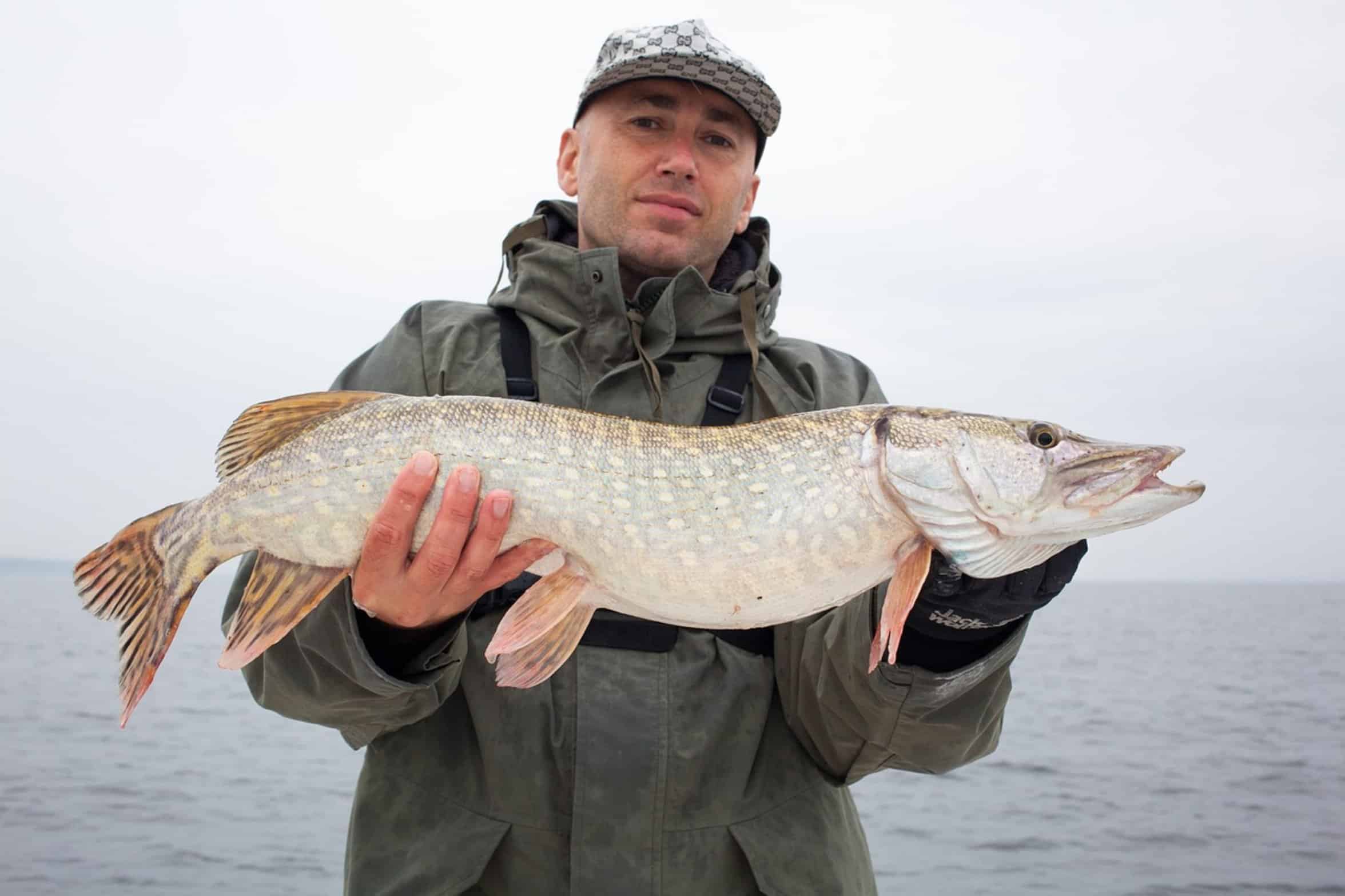
By nature, perch are shy. They hug structure, but they’re reluctant to fully commit unless they has to. Instead of memorizing a map, you just need to read the water and know where they sits.
The biggest mistake most anglers make is fishing the outside edge of structure. They’ll fire casts at the lip of the drop off or the outside ring of weeds. That’s fine…sometimes.
But it fails more often then it succeeds. But most of the time it won’t work because perch aren’t like trout. They don’t swim around looking for something to ambush.
They require security. They need to feel protected. At any hint of danger, they will dart back to safety in a heartbeat.
Look beyond just the primary structure for your next pattern. Action occur in small humps, subtle dips, and transition areas between different types of cover. Start with the edge of aquatic vegetation.
Fishing Aquatic Vegetation Edges
It is classic perch habitat. But here’s the kicker: The specifics does make a difference. Perch favor that boundary line between open water and growing greenery; it’s both a physical barrier to big predators and a visual screen.
But not all plants are created equal. The stems of milfoil and hydrilla is flexible enough to let them swim through while still providing sturdy cover. Go casting right into the heart of the mat and, yeah, you’re probably going to get hung up.
Work the outside edge instead. Make sure your lure rides just past the green. That skinny band of water will often hold fish like nobody’s business.
Targeting Drop-Offs and Ledges
Drop-offs are another key area, but it depend on which part of the shelf you are targeting. Underwater ledges contour out into deeper water and these areas holds perch schools too. They aren’t always right on the bottom, either.
Perch will sit on the outside edge of a shelf where it drop off sharply. This lets them stay near the bottom for protection while remaining close to emerging baitfish or insects. So when cranking a main lake point or a creek channel, concentrate your efforts around the transition points.
If a ledge drops from 6-feet to 12-feet, cast to the depth change line and ease it back. That’s where they lay waiting. Another consistent place for perch is submerged brush piles and timber.
Using Submerged Brush and Timber
The variety of wood appeal to the perch and offers immediate cover. It also attracts other things they like to eat… Small baitfish.
Perch will school around the edges of the wood, usually not wanting to get tangled in the branches while still having the protection of the structure. This is different than bass who will often suspend deep in thick timber. When fishing a lake with sunken logs or fallen trees, target the open areas next to the wood.
Allow your plastic worm or jig to drift near the wood and then reel back out into the open water. The open water and the dark timber draw them in. The other big factor in river fishing for perch is current.
River Fishing in Current Breaks
Because there’s a little less pressure on the bottom when it’s moving, that’s where the fish are holding. They’ll be positioned behind logs, rocks, or even the bank itself. Those things will cause eddy pockets in the current as well as slack water areas.
The perch sit there quietly waiting on something to come past them from the current and then they dart out and grab it. They feed and conserve energy very efficienty. When you’re fishing a river, slow down your retrieve.
Let the lure hit bottom and just kind of hop it up and down along those features. Don’t go against the current, but let it work for you looking for those pockets where the fish is sitting. Their vertical location is determined by temperature layers as well.
Adjusting for Temperature and Light
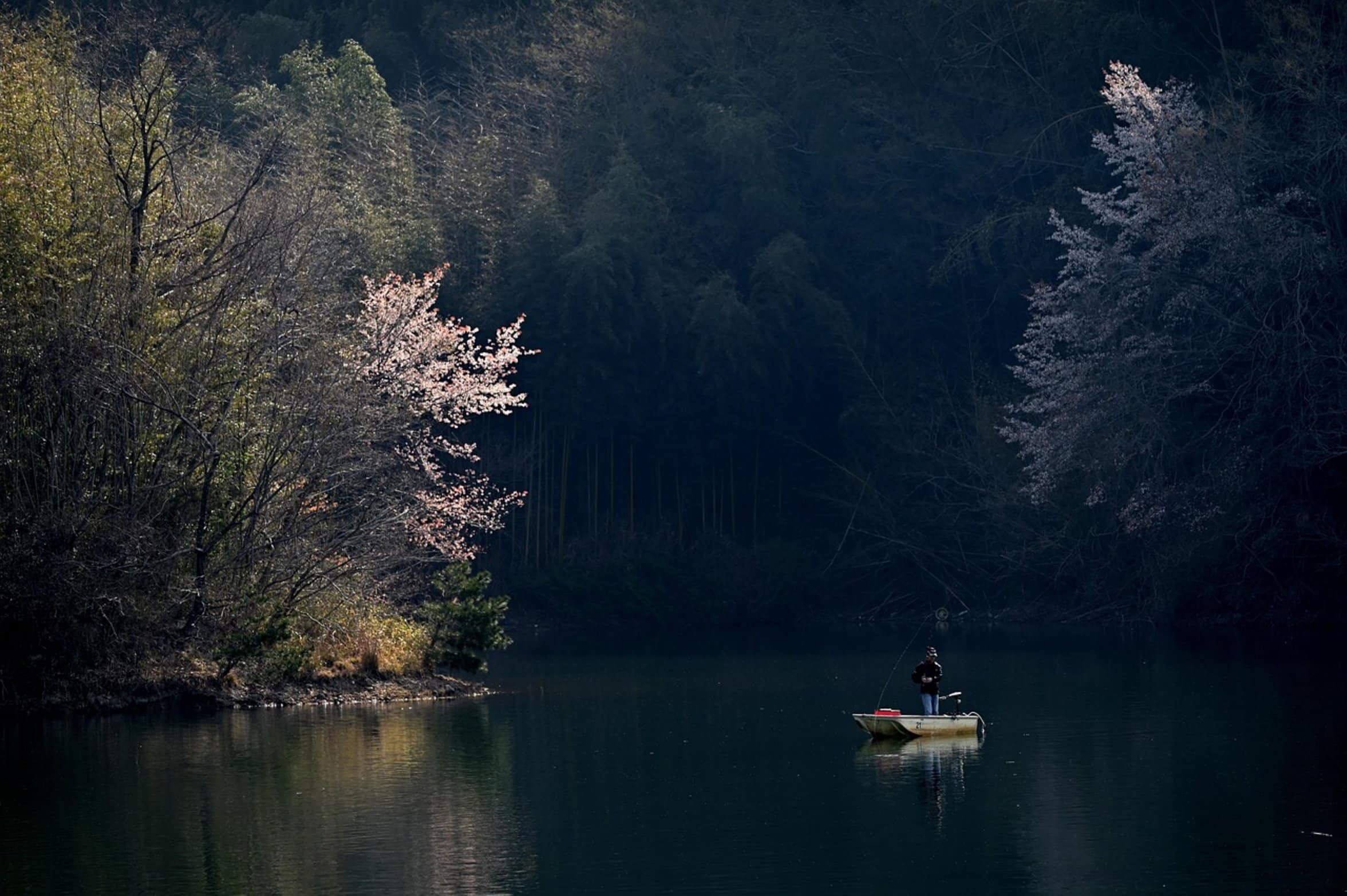
Perch will sometimes pull out into deeper water when it gets really hot in the summer for more cool and oxygen rich water. They’ll suspend in the middle column or maybe towards the bottom of a deep basin. And in the spring and fall, as the water starts cooling, they’ll come shallow to feed again and do so aggressively.
Keep an eye on sunlight and air temperature. Perch will generally stay a bit deeper on bright sunny days, but move into shallower water to feed on overcast days, first thing in the morning, and last thing at night when there’s not much light. So vary your depth based off that.
Go shallower if the bite is off and go deeper if you’re getting some bites but not connecting. Freshwater perch are not about big structure in the lake. Finding them takes time and understanding how to pick out small details of what provides food and safety in freshwater environments.
Find the pockets of slack water, the depth lines, and the weed edges. When you begin to view the water as holding areas instead of open water, you will find yourself catching more, much more. They’re there; you simply need to look where they are comfortable.