The common thing we often hear in angling circle is that bass and perch alike are hungry mouths looking to take any lure offered to them if it’s rigged correctly. But that simply isn’t true. Sure, they eat similar things from same body of water, but their feeding behaviors differ greatly.
Bass are ambush feeder who like to make a sudden strike when food swims past. Perch, however, cruise around and feed based off sight and scent. The way you offer a lure to each species are completely different and it makes all the difference in the world.
Throw a heavy jig meant for a bass into a school of perch and more times than not, you’ll return to boat without a single fish. It is not because they won’t bite, but because you’re going against their nature instead of with it. Unlike the opportunistic bass, perch are finicky, preferring to carefuly examine any potential meal before committing.
This means they is much more selective. They also has very delicate mouths. They prefer a bait that moves naturaly with subtle action.
Best Baits And Techniques For Catching Perch
Using Live Bait for Perch
That’s where the right tools come into play, gear that lets a bait hover or float as opposed to crashing through column of water. Do that correctly and you’ll go from a frustrating day to a real banquet. While other baits can works for perch, there’s no debating that live bait is the number one choice in perch fishing.
And a nightcrawler or minnow can’t be beat if it’s offered properly. Why? Because live bait offers a familiar shape, erratic action and natural scent, which means when you hang a live shiner on a little hook, you’re presenting exactly what these fish prey upon daily.
This eliminates any suspicion a perch may have about your lure, so it is the quickest way to success for those new to the game, you don’t need fancy equipment or complicated methods. You just need something alive on the end of a light rod and some fine line.
Soft Plastics and Jigging Techniques
Soft plastics are also very effective for perch; they really like small, slow sinking baits that immitate larvae and worms.
A little curly tail grub or a 2-inch red ribbontail will work wonders when live bait isn’t available. The key is to not jerk on the bait right away if perch take it. Just let it fall.
Then pause. Then let it fall some more. This imitates a drifting or injured creature and perch will often bite while falling.
It takes a lot of patience but that’s when the strike occur…when it hesitates. And the wait is certainly worth it. Crankbaits do not work well unless they are small and not too noticeable, as big cranks does not cut it.
Small Spinners and Lure Action
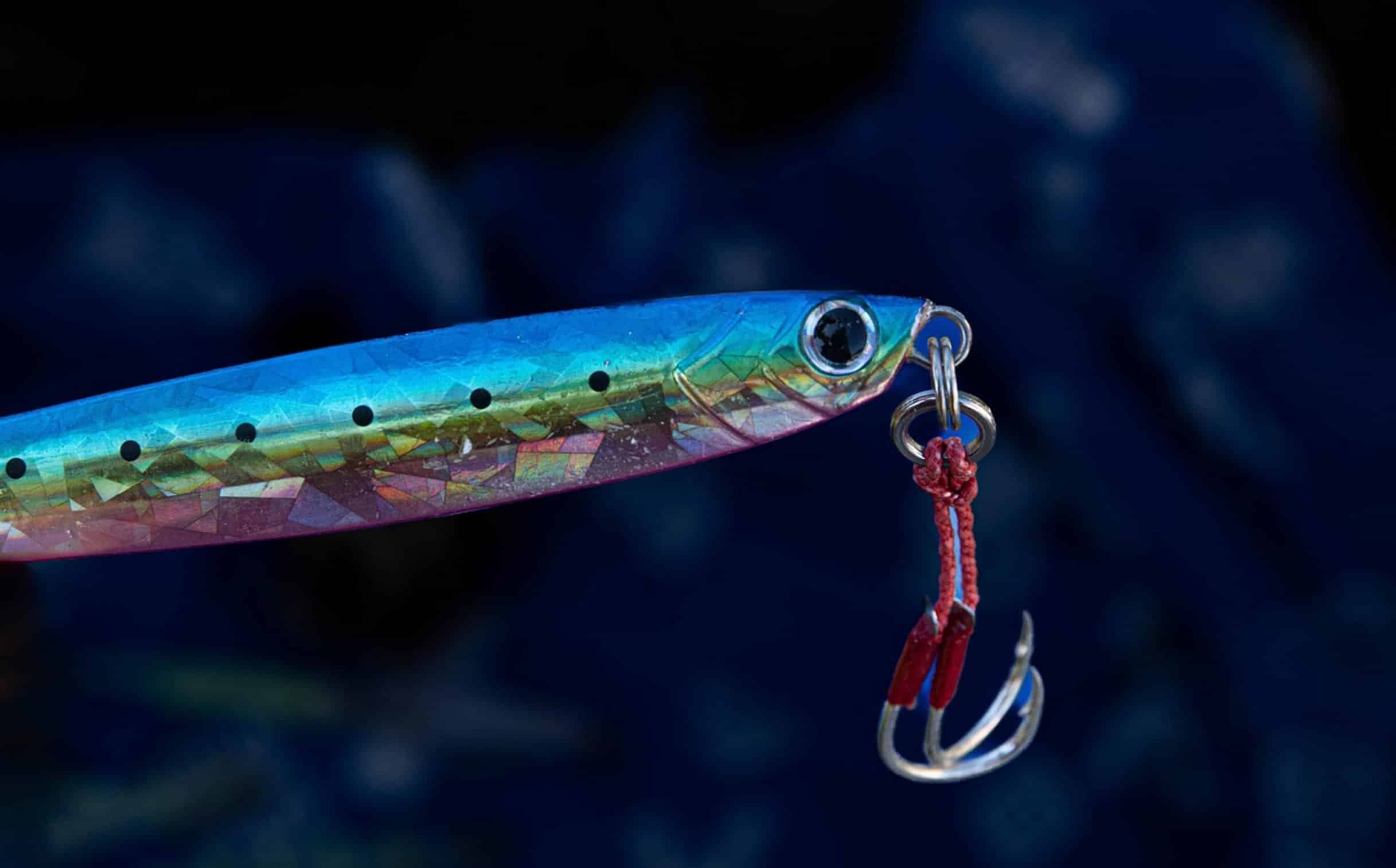
Instead, find some small spinners like this Mepps Aglia. Or maybe try these little spinners. They has to be small enough not to spook the fish but big enough to draw their attention.
The key is that slow retrieve. These things creates more vibration than most people realize in dirty water. In clearer water it’s all about that flash.
Either way, you want something slow on the retrieve. You also want to keep these right against bottom structure or just under surface.
Lure Color and Water Clarity
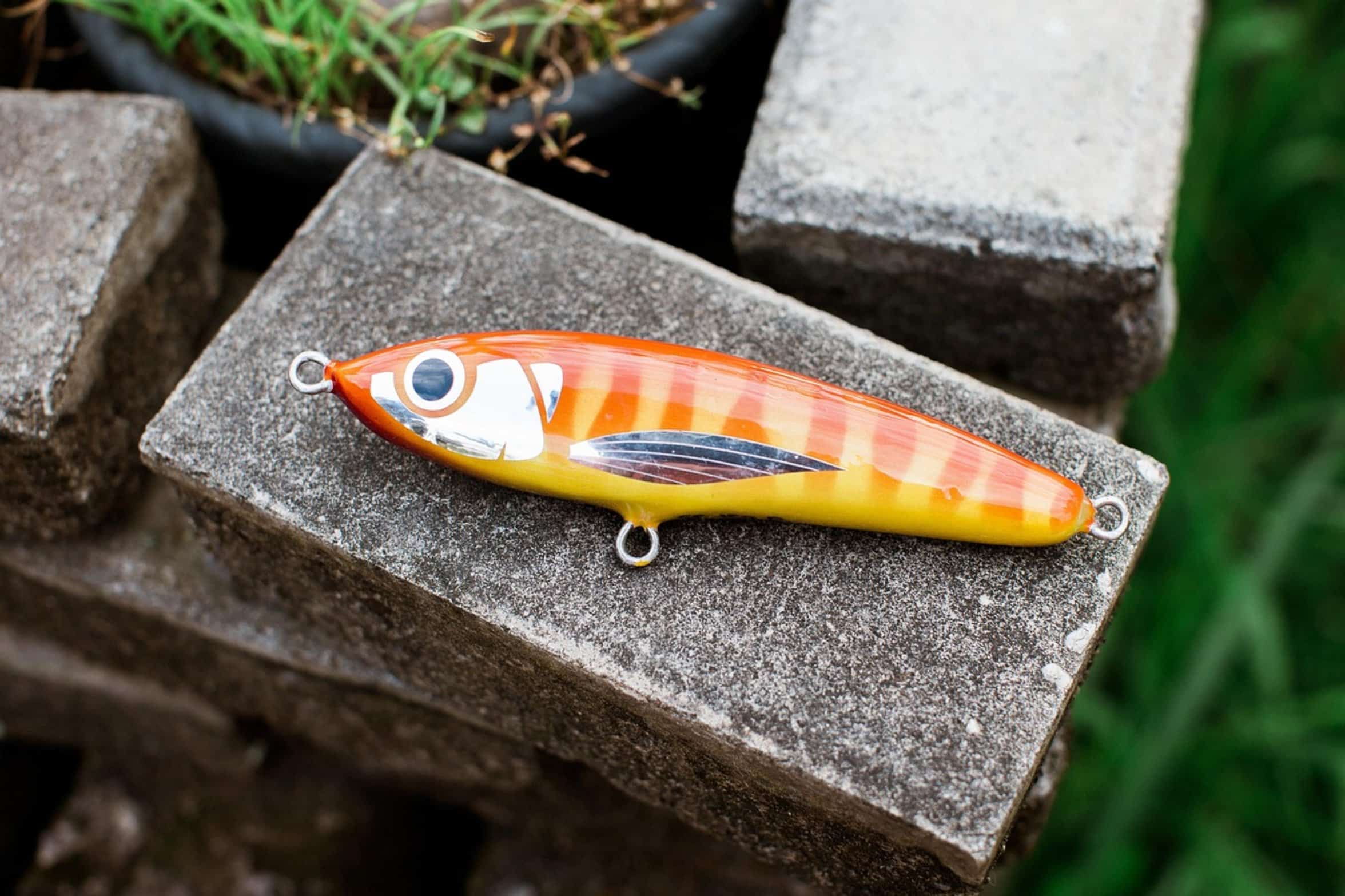
Baitfish With perch, contrary to what many believe, color can be very important.
Natural forage colors such as silver, white or even chartreuse are better choices if water is clear. If it’s stained, contrast is your friend and bright colors such as chartreuse or orange really help the perch find your bait. Using an orange tail on a white spinner blade gives it a profile that will stand out than the dark lake bottom.
Perch see well, but don’t have perfect depth perception so they need to get a good look at target before committing.
Presentation Depth and Rigging
The last variable is presentation depth. School of perch in certain areas so they may be really deep in the winter and maybe really shallow in the spring.
You have to troll around finding them or use your rod and vertical jig until you find them. Then, drop shot rigs is great for keeping a small soft plastic in the strike zone. You can vary the size of the weight to keep it right in the strike zone where the fish will suspends.
The lighter line gives you more feel and, again, precision outperforms power all day long. And if it’s not a huge fish like a pike, you don’t have to worry about heavy line.
Finesse Fishing Philosophy
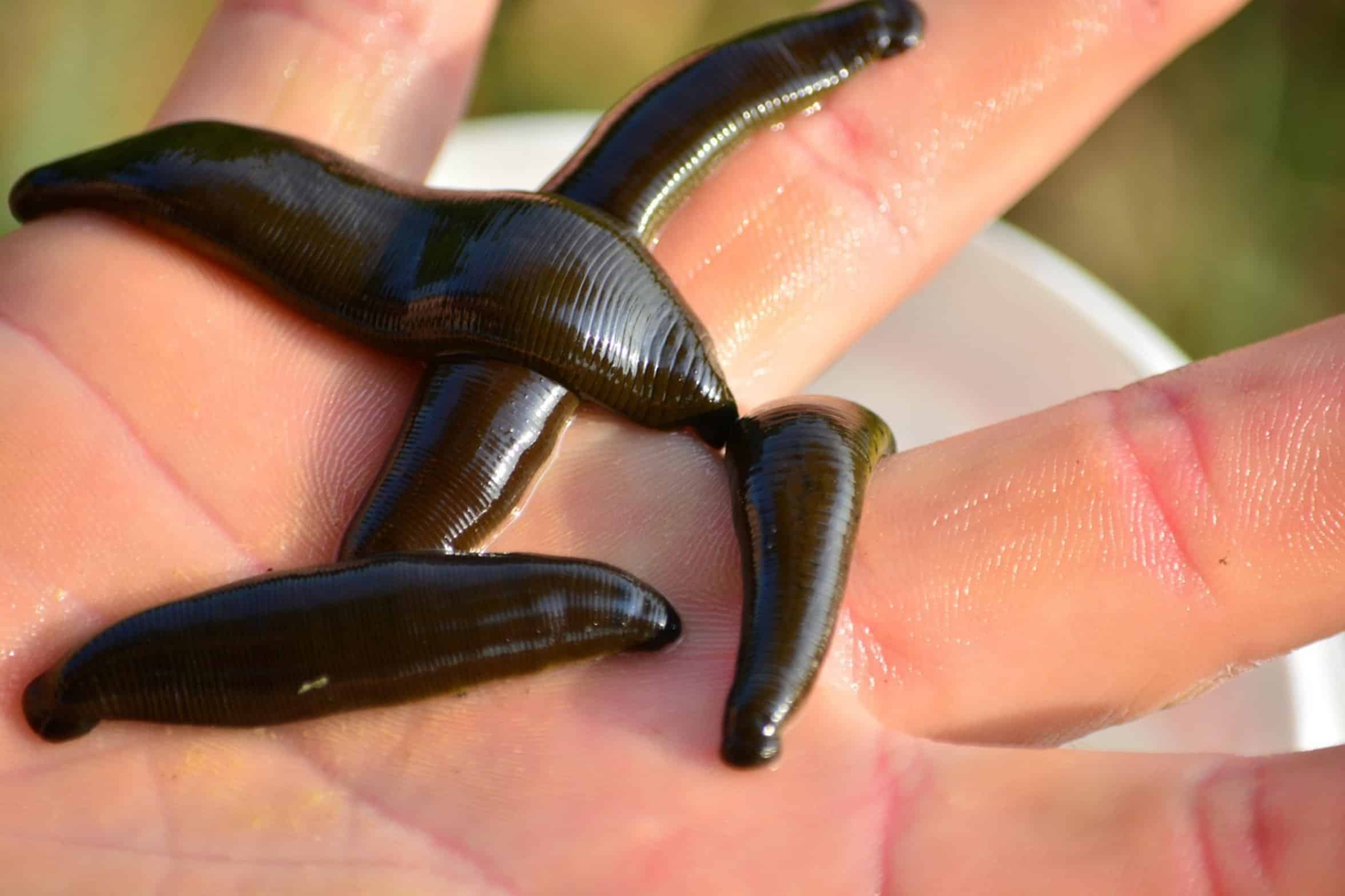
Perch are all about finesse, It’s not about the biggest lure.
It’s not about the fastest retrieve. You have to match the bait to the fish natural behavior. It is all about making it look easy to catch.
Whether it’s a tiny jig or a live minnow, your goal remains the same. You are trying to make it look easy to catch. When you slow down and learn to respect their feeding habits, the strikes will follow and you’ll discover patience is the best tackle of all.