There comes a time in every angler’s life where sitting back and waiting for a bobber just doesn’t cut it anymore. Sitting on the bank waiting for something to happen can take hours before anything happens. Live bait fishing can work for perch, but it’s passive.
How To Catch More Perch With Lures
Why Moving Lures Beat Passive Fishing
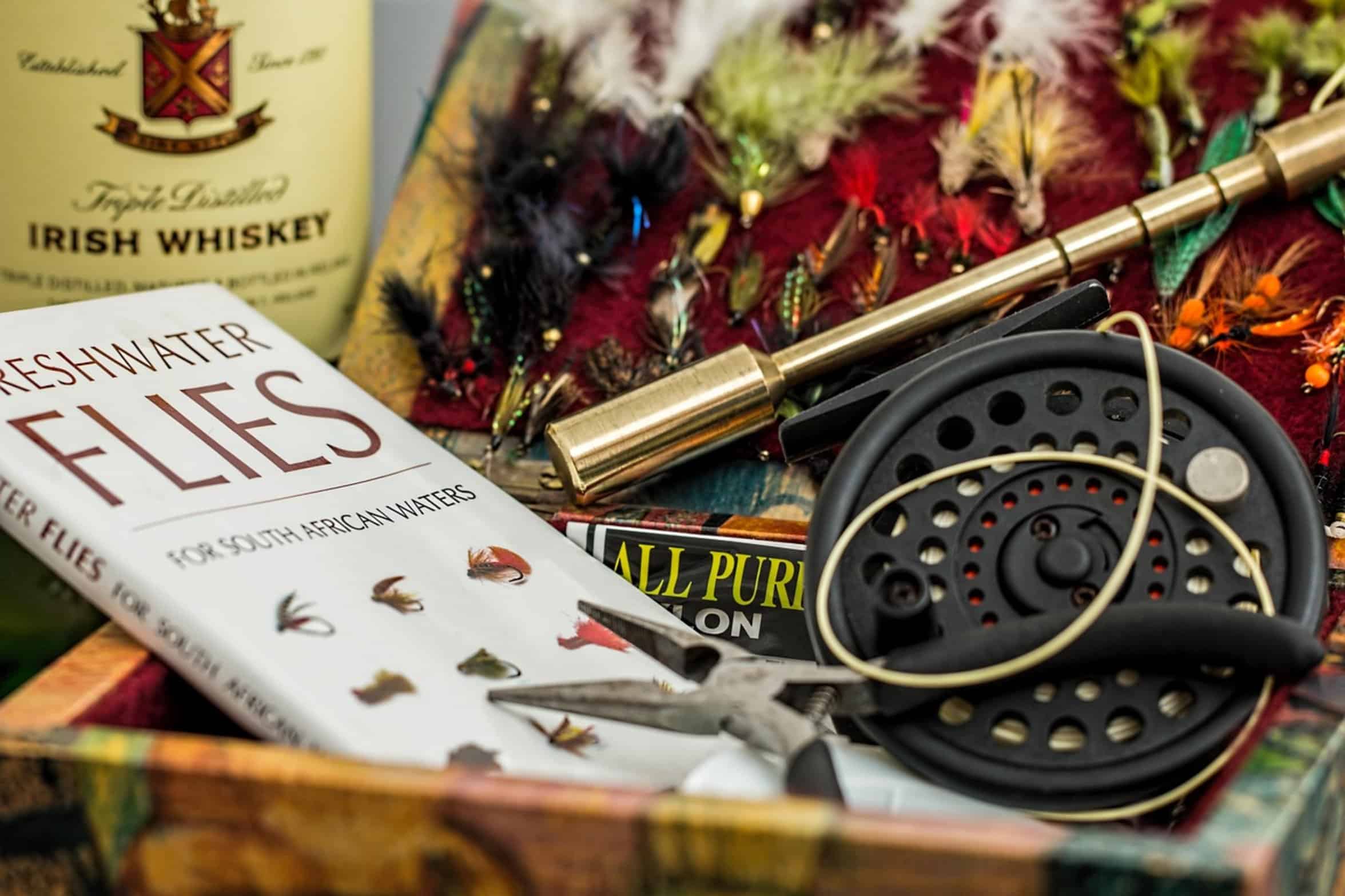
If you change from live bait to a moving lure, everything changes. You go from sitting back and waiting to actively hunting for action. And that matter.
Why? Because perch are visual predators. They’re going to have to see it move to make them want to attack.
Throwing a lure into the area triggers a response. Your strike ratio will go up. And you won’t be hoping for one to show up; you’ll catch ’em.
Matching Lure Color to Water Clarity
There’s a big learning curve, but once you learn it, you can catch them. So matching the profile to the water depth and clarity is the first problem. The same lure doesn’t work in dirty, deep water different than it does in clean shallow water.
For clear water, go with natural colours such as perch imitation or chartreuse. Natural colours look like baitfish but don’t look out of place. For dirty water you have to start going with high-visibility colours such as yellow, white, or fluorescent orange.
These colours shows up well against the background so they create a silhouette that perch can see from afar.
Choosing the Right Lure Size
More than color is size. Perch has small mouths, so many anglers think bigger baits mean bigger fish.
They try a three-inch swimbait where they should of start with a two inch. The follow you get doesn’t hook. Lure needs to look like a believable meal, not a threat.
Size matters. You want the perch to inhale the bait in one motion. Go small on a two-inch soft plastic or on a small jighead.
That’ll keep them in the boat. It will reduce misses. It’ll let the perch inhale it.
Mastering Retrieve Rhythm and Speed
The beauty of lures comes from the retrieval speed. A lure has to move in order to appear alive. Speed isn’t everything, but the rhythm of the retrieve is what matters.
Reeling at a steady, monotonous pace makes the movement look robotic to wary fish. Instead, use a stop-and-go retrieve. Turn the handle three cranks, pause for two seconds and do it again.
That slight sinking or fluttering action during the pause will look like an injured or dying baitfish. Often a predator strike when the steady moving lure fails to trigger. They are opportunists, and they’re going after the easy pickings.
Controlling Depth with Line and Gear
Line selection and weight matter for depth control Fluorocarbon sinks faster than monofilament. That affects how your lure looks throughout the depths of the water. For example, on deep structure, you’ll want a diving crankbait, or a heavier jighead.
An average inline spinner won’t even get down on deep lakes. Add some weight or go with a vertical jigging rig. The key is keeping the lure within the strike zone.
Don’t let it swim away from where fish are. If you simplify your gear choices based off action and sensitivity, life is much easier. Don’t break the bank on a fancy rod; just get one that has a soft tip.
Selecting the Perfect Rod for Perch
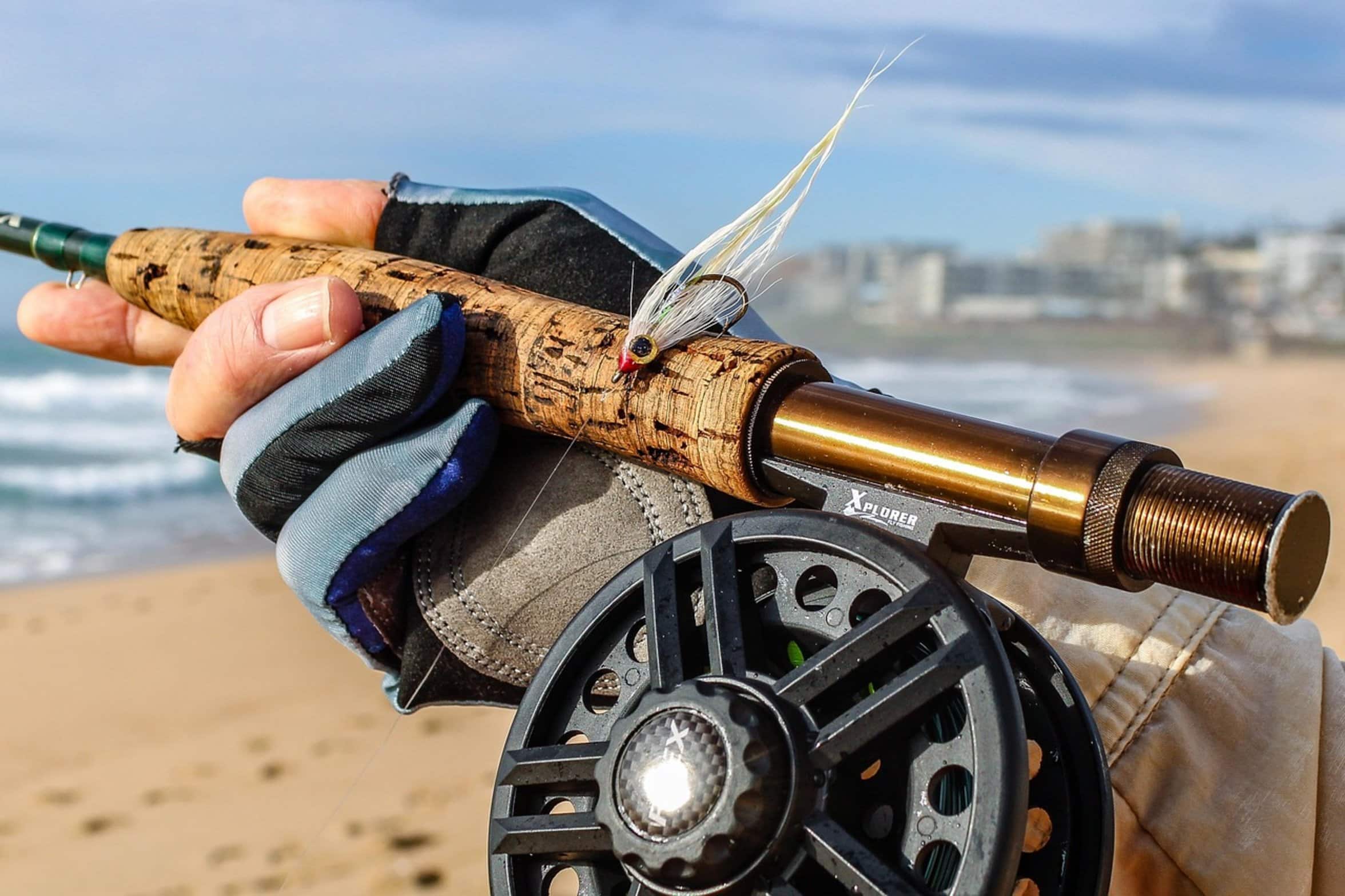
A stiff rod will tear the hook out of a perch’s delicate mouth. Find a fast-action, light- or ultra-light-power spinning rod. It should have enough sensitivity to detect the light tap of a perch while also having enough backbone to deliver solid hooksets.
Match this with 4-pound test line and a reel with a smooth drag. This will keep your hooksets gentle and still handle perch with respect. That’s when you begin to throw your lures instead of waiting on the bobber.
Each cast becomes more and more expectant. Then it happens, a solid bite, not a tiny nip. It’s a tug.
You wind up and see the gleam of success as you haul in a shiny slab of goodness. Your patience isn’t gone, but it has been traded for something far better: intent. This is now a conversation and the fish are responding.