When the yellow perch top out, you’ll experience an odd frustration as the sight of a feast becomes a sound barrier after the hook goes down. In clear water, perch is very visual feeding fish. They will chase a bait like a hound on scent trail.
But if it doesn’t look right, or if presentation seem the slightest bit artificial, they won’t bite it. What do they want? They do not want a secret lure, but rather a precision match for there instinctive triggers.
A lot of times it’s the simple things that makes the difference between a good day to a great day. A perch doesn’t want just any meal. What he wants is something with a signal.
He want something with a size, a color, and some sort of movement combination that look like his natural prey. This make the tackle box pretty small. Once you figure out this dynamic, it becomes more about presentation than guesswork.
Best Baits and Techniques for Catching Yellow Perch
Visual Feeding and Precision Matching
Understanding how they hunt visually help you choose baits that use their hunting style while respecting there natural wariness. Live minnow are still king for the true movement that artificial baits cannot always achieve. A fathead minnow or small shiner is a natural forage item, giving a perch the exact look of something worth attacking.
Scent is also real, and wriggling are real. Even though they are ambush predators, seeing a struggling baitfish make them react. That’s why a dead minnow can be effective too, if you give it some motion with a steady retrieve.
Live Bait Techniques
But the best bet is a lively minnow hooked through its nose or lips. When fish are finicky, this is the way to go. These is soft plastics.
Without the live options, your best friend becomes plastic. Small tubes and grubs on light jig heads is hard to beat. They immitate small crustaceans and aquatic insects that perch will hang around to eat off bottom.
The key come with the retrieve. Slowly hop the jig along the bottom. Let it fall and then twitch it again.
Soft Plastic Jigging
That pause-and-go cadence tricks them into thinking its injured and perch love easy meal. The 1 inch grub flutters just enough in the water to look like an easy, vulnerable target. Small spoons and crankbaits also has their place in your gear.
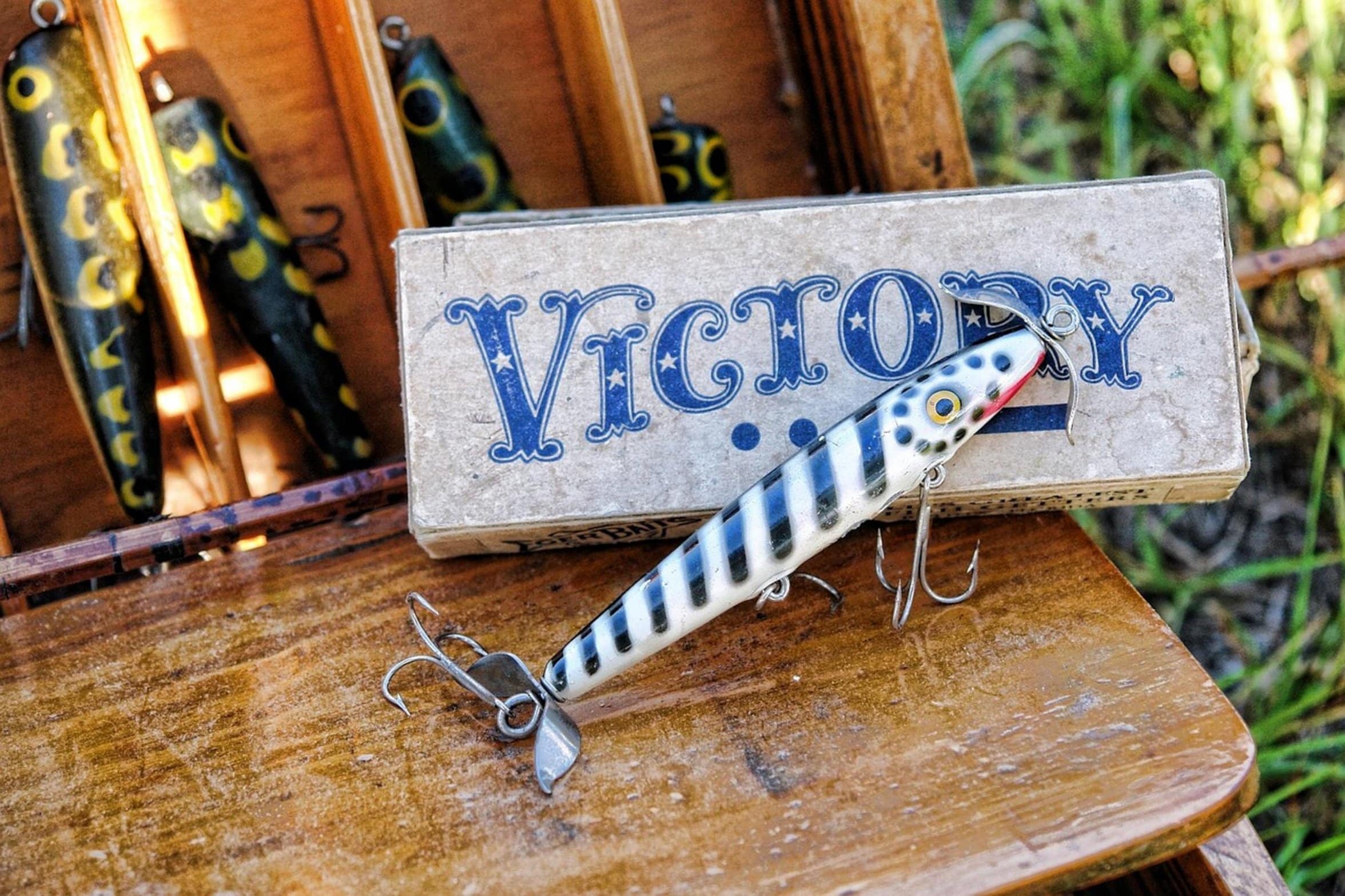
They is all about speed, forcing you to cover more water by fishing faster. Those vibrations and flashes from a small Mepps spinner or Rapala attract those perch from afar. Small baits like that will work when fish are more scattered and active, with the flashy color or reflective finish picking up that light.
You’re telling them you’re there and forcing them to bite either out of aggression or simply just out of curiosity. Classic: Natural baits such as nightcrawlers and worms is readily available, cheap and work well. Because perch are opportunists, they’ll take a nightcrawler or other type of worm suspended just off the bottom.
Spoons and Crankbaits
You don’t need fancy gear; it’s all about the simple stuff. This technique can be used where current isn’t too fast or if the perch is tucked tight on some structure. Use a little split shot and a hook with a piece of red worm and that might do the trick.
Natural Bait Rigging
You should of have patience to make the bait appear natural. A curious perch won’t be able to resist a wiggling worm. Seasonality, Seasonality dictate how fast to fish the lure as well as color choice.
Early in the spring when ice out has them feeding aggressively, go fast with brighter colors. As it warms up and they suspend deeper, slow down presentation while sticking to more natural color. Fall finds them gorging for winter, and the bigger baits with faster action will do the trick once more.
Respecting where fish are located along with there metabolism dictate matching the bait to the season. This isn’t one size fits all. Adjusting what you offer ensures you’re giving them what they want in that moment.
Seasonal Bait Selection
Fishing for yellow perch is an observational sport. Pay attention to the water and watch for school. Use whatever works best based off the conditions, color and size of your bait.
Whatever you use (whether it’s worms), soft plastics, or live minnow, show them something they can’t resist. It’s not rocket science, just keep it simple and the perch will be there.