When you think about it, perch fishing can seem fairly easy; move and they is on it. Throw out a spinner and wait for them to bite. Fine in benign conditions.
Then the sun come up, boat traffic stirs things up a bit and fish quit biting. There you sit staring at bobber as fish turn their nose up at your offering. That’s where the artificial vs. Live bait discussion come up.
Why Live Worms Remain Effective Perch Baits
The Live Bait Advantage

It always comes back to worms. It’s fresh, it’s whole, it’s chopped up. They slither right, they stink right.
They’re what all other are judged by. Guides say that when conditions change, there is no better bait than a jig or plastic bait because they gets more bites. The reality is somewhere in-between.
A worm get you bites, but it’s not a sure thing. To fish one effectively you’ve got to know what make one work. The other thing is scent which plastics can’t mimic.
Scent and Action Mechanics
Amino acids and oils gets released from the worm as soon as you put it in water. Fish like perch hunt for food primarily by smell and feel with their lateral lines even in dirty water or out on deeper water. You can have a plastic moving great but its not scented.
That scent trail draw them in from a distance. This happens early in spring especially, but also in dirty water. It’s the attraction of the scent before the sight of lure.
And then there is the action. A live worm doesn’t act mechanicaly. It contract with the current, it pause, it wriggle.
Perch are ambush predators. They seeks out vulnerable prey. The erratic action of a dying worm cause them to strike.
Soft Plastics and Durability
Often soft plastic imitations appear uniformly alike in action. You have to give the action with your rod tip. A live worm give that action automatically.
That’s less energy exerted on part of fish, and reduces suspicion. The main trade-offs involve durability and presentation control. The worms’ problem is that they tears easily.
They gets torn off the hook by rocks or chomped to shreds in no time by small panfish. That means lots of bait changes slow your bite down. The plastics holds up well; you can make pinpoint casts repeatedly and keep them on the hook.
Water Temperature Influence
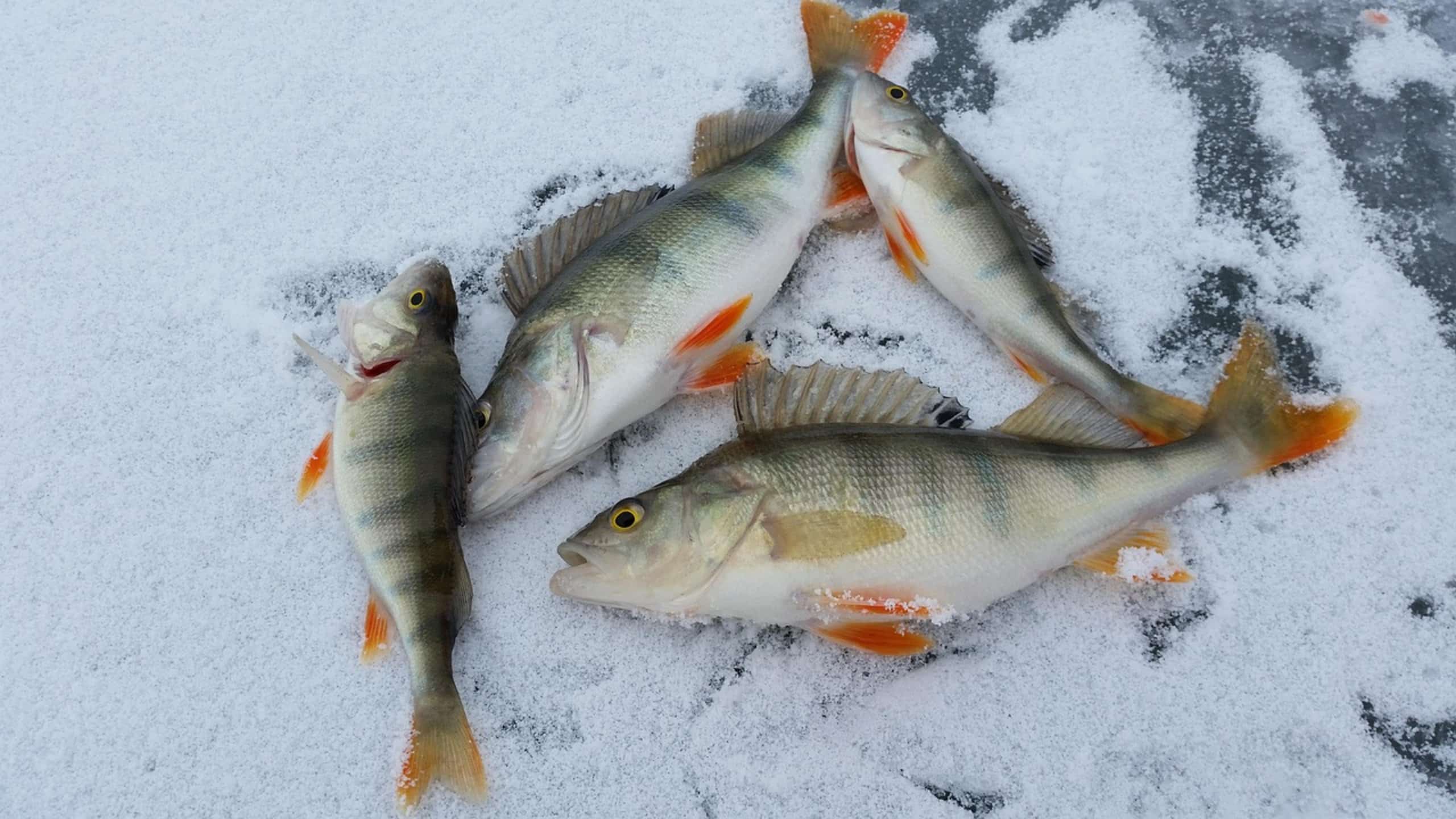
A plastic-trailer jig is an effective choice if you’re after a big pod of perch. Plastic win for speed; the worm wins for quality of the strike. The ranking of what works best is also dependent on water temps.
In less than 50-degree water, the metabolism of perch slow. They won’t run as fast chasing moving baits. The slowly falling worm give them an easy meal without having to expend too much energy.
That’s why worms excel in the late fall and early spring. With warmer water temps, the perch gets more aggressive. They’ll hit flies, spinners and plastic lures.
The more aggressive the fish get, the less advantageous the worm become. Now it equals other offering. The fish is willing to expend more energy so the offerings are equal.
Angler Psychology and Patience
There’s also psychology aspect of it. We’re anglers and we’ve been using worms for decades. We’ve caught fish on them.
This builds our confidence, allowing our hands to stay steady and our casts to be accurate. If we know the bait fishes then we’ll let it sink and give it time. Then when we feel a slight tug we wait for the fish to set the hook.
That patience make all the difference between catching a fish and scaring one away. Plastic lures tempt us to be impatient. We twitch and reel it back before the fish have a chance to bite.
The worm makes us slow down. And that restraint is often the key to success. Are worms superior?
When to Switch Baits
No. Are they different? Absolutely. And sometimes it’s hard to make something better then what you already have in terms of how it acts and how it feels.
If fish is being finicky, or if the water is cool or cloudy, use worms. When summertime fish are aggressive and covering the water fast, use plastics. In the end, the best of us would of had both in our hands because we allow the water to tell us which one to throw.
Worms never get old, until you stop throwing them when it counts.