The keys to bream fishing separate the casual angler who likes to try it as a hobby from the more experienced ones. The key to success come when you have the right conditions. Calm water, low wind, and sunny days warms the shallow water.
This makes the fish not want to cruise around; instead they will root around for something to eat. Instead of looking for big meals they become very precise picking away at whatever they can find off the bottom. This shifts the game from showing them a lure to convincing them to bite.
Best Lures and Techniques for Catching Bream
Understanding Bream Feeding Behavior
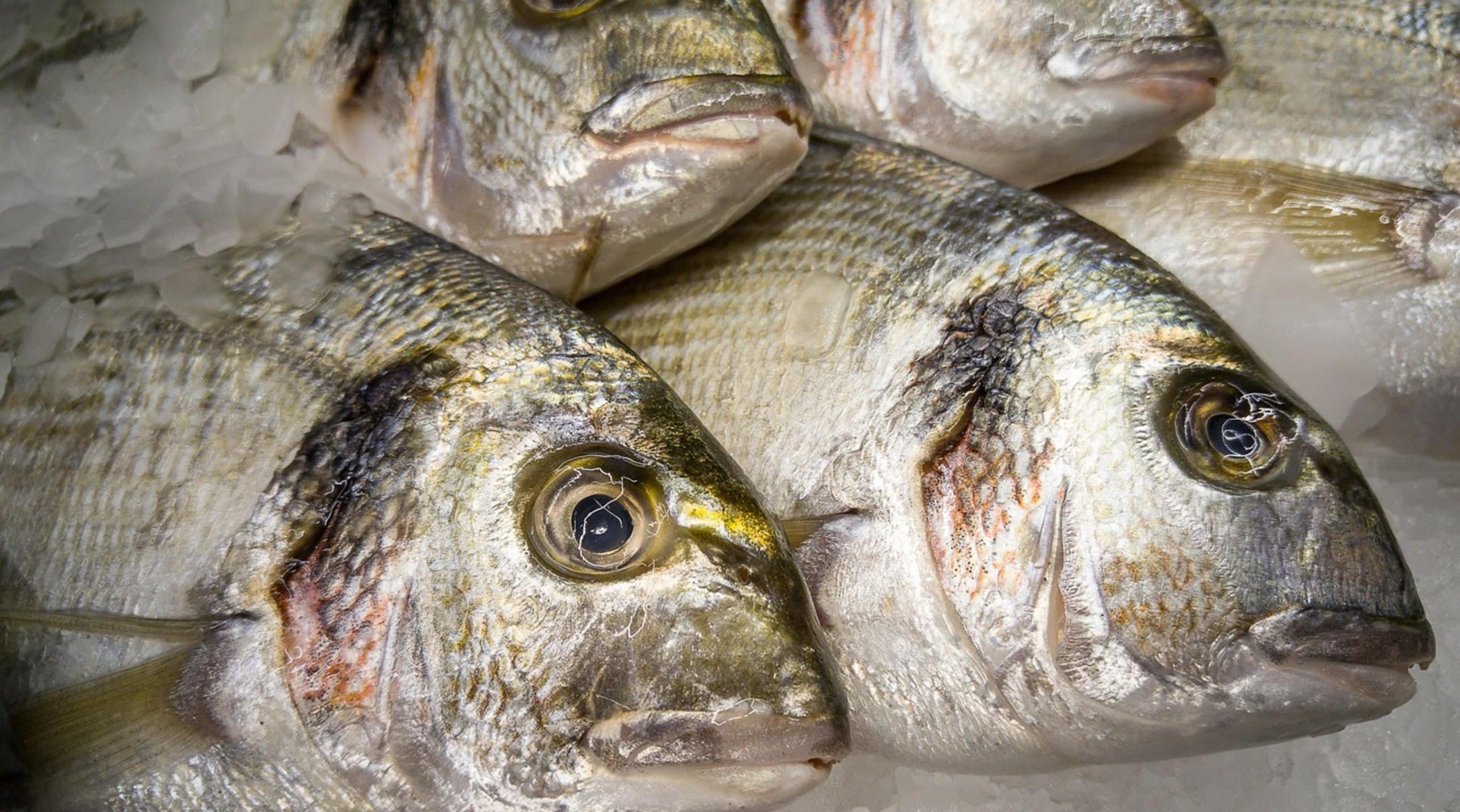
What you’re trying to do is get a reaction instead of a thought out decision. Bream are wary eaters, so don’t cast everything you can possibly throw at them. Every time I hear someone say they are throwing a chatterbait, blade bait or whatever, I know they’ve probably just been casting everything they own in a numbers game.
That’s not how to catch them. They want something either too good or too bad to pass up. It is a target they can’t safely ignore.
This means forcing a reaction bite before caution take hold. These lures take advantage of this feeding window. In this case, something like a Senko style soft plastic worm can be very effective.
Using Senko Style Soft Plastic Worms
It mimics either a grub or baitfish that has no way to defend itself. So you just drop the lure down to the bottom and lightly lift your rod tip. Then the lure will float up and fall back down.
As it’s falling down it will wobble a little bit. To a bream hiding in weeds, it looks like a dying thing. This technique relies heavily on patience.
Bream will most times not take it on the retrieve but on the fall. Letting it sit there still is important. Constantly twitching the lure tell them that it’s alive and aware.
Then they gets cautious about it. Keep the presentation natural and simple. The second half of this fishing equation come from jigs.
Casting Finesse Jigs in Heavy Cover
Sometimes a finesse worm won’t penetrate the cover as well when the bream are buried deeper into a brush pile or grass. A finesse jig with small skirt will cut its way through the vegetation where a soft plastic would hang up. The hook penetrates the bream’s tough mouth, but it also has some weight in the lead head so it reaches the bottom fast.
You just bounce the jig along the bottom mimicking either a crawdad or some other type of small crustacean. As the jig hits the bottom, it makes a slight disturbance. This catches their attention through what they see and feel as the jig bumps against the bottom.
It’s about creating a presence versus moving subtly. Lure color is important The colors you need on a lure vary with the situation. Natural colors such as green pumpkin, watermelon red, and ghost white are key in clear water.
Choosing the Right Lure Color
Matching the color allows the bait to fade into the background instead of sticking out. Bream are wary of things that appear too fake. While a nice bright chartreuse worm may entice a bass, it’s going to cause a bream to look at it and move on.
In dirty water, brighter colors or white help the fish see the lure. Match your presentation color to both the natural forage and the water clarity. The size of your bait doesn’t matter as much as you’d think, but that’s not to say it’s not important at all.
Downsizing Your Bait Size
Typically smaller baits catch better than bigger baits. For instance, a three or four inch worm catches fish many more times then a six inch one does. Sometimes bream don’t want a big meal.
A lot of times they will eat tiny fish, zooplankton and other small invertebrates. And when they see a big bait coming their way it may look too big to be food so it’s a threat instead. Downsizing eliminates this intimidation aspect for the bream.
Now all the fish has to do is take a chance and suck up the bait. Then he can slip away safely back into the cover without having to engage in a huge fight. That confidence lead to a good hookset.
The last part of the puzzle is rod action. To pick up on that little tap when a bream picks up on your small worm, you’ll want a sensitive tip on your rod. Otherwise, you’re not going to know what happened, and there goes another bite.
Selecting the Right Rod and Line
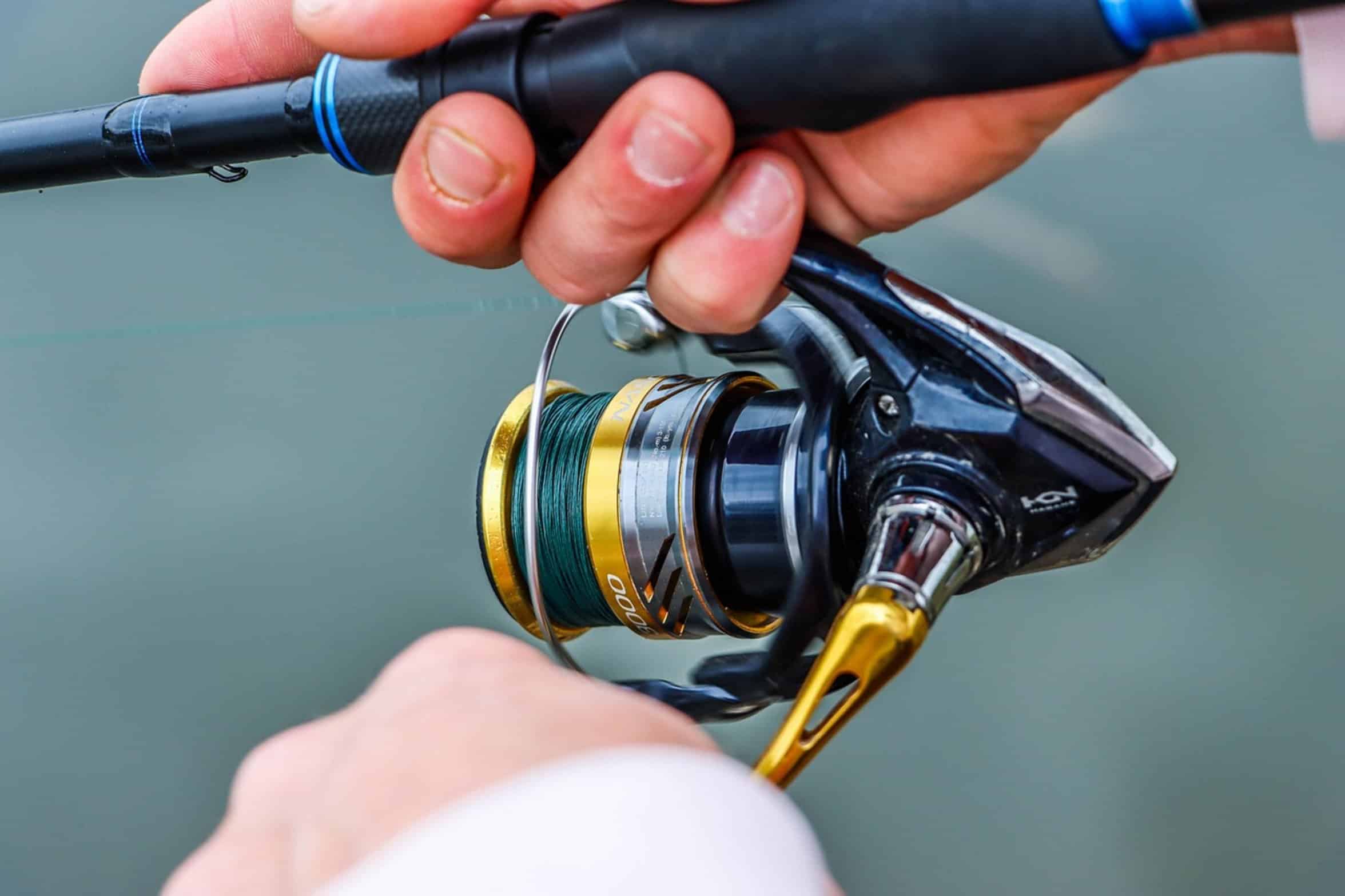
That means you want a medium-light power rod with a fast tip so you can feel what the bottom is like and how the lure feels as it moves along. But you also want one with enough backbone to set the hook through those weeds. Match that rod with some braided line and a fluorocarbon leader.
The braid takes the bait down to the bottom in a hurry, and the fluoro vanishes in the water. This further reduces the chance of spooking a line-shy fish. Catching bream is as much an exercise in patience as it is fishing skill.
It forces you to slow down, to think like a bream, and to honor the fish’s wariness. It rewards those who use lures that are not necessarily the loudest and flashiest but rather those that most closely resemble what they see, move in ways they recognize and that blend with surroundings. So when you throw that humble jig or that simple worm, realize you’re showing the solution to a hungry bream’s problem.
You’re not testing his smarts. Be natural and be quiet. Let him find you.