“Ah, you hooked onto something down there, and the battle was OK. You felt some resistence on your line, then it went slack or fell in the net. You get close enough to see what’s going on, and confusion sets in.
Rock bass? That shy shape with the fine bars, right? Or maybe it is a warmouth, all teeth and scale and that prehistoric fish-like head with the jaw hanging off of it?
It is more so then you would imagine. They’re both member of the sunfish family. They both prefer rocky structure.
And they’ll both give you a run for your money contrary to there size. But neither are the same thing. While one’s an aggressive ambush predator, the other’s a shy little bottom feeder.
Tell Rock Bass From Warmouth Fish
Physical Appearance and Identification
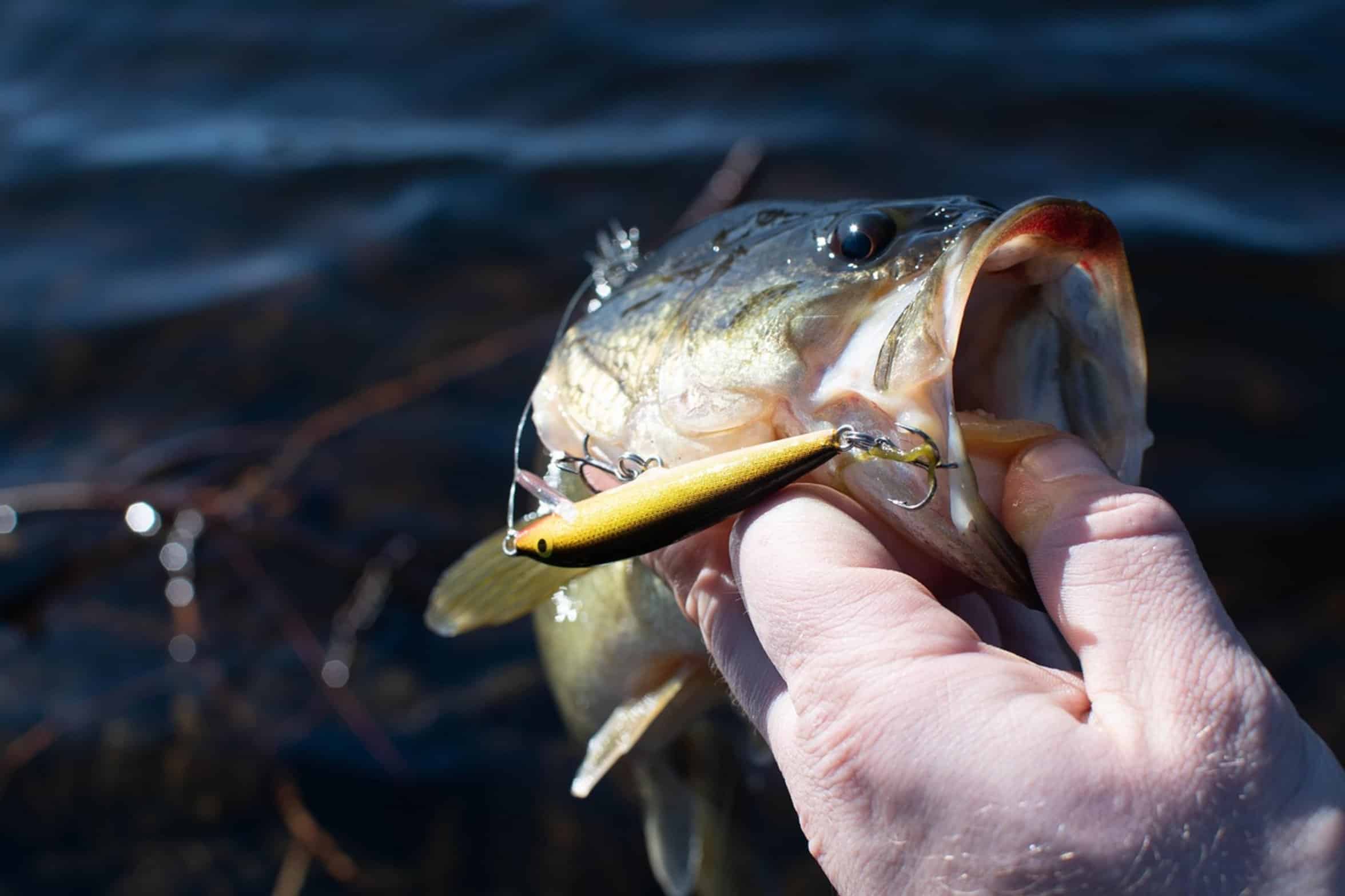
How you respect water can change depending on whether or not you know what you just caught. When you see one you’ll notice how different it is in appearance. These fish is also called an Ambloplites rupestris, or rock bass; they have vertical barring and a flatter body from side-to-side.
They resemble a miniature smallmouth bass. However, they has less color, a thicker head, and a less pronounced snout. The markings aren’t very bright, but they’re there and help them hide in their rocky habitat.
The Lepomis gulosus… AKA, the warmouth (is fish made to intimidate). It’s got a really big mouth with that typical “gape” beyond the back edge of its eye, which is probably its signature trait.
Unlike rock bass, this fish doesn’t have pronounced vertical bars. In fact, there is only two, very faint, running down either side of its head. The body shape of a warmouth are also longer, yet deeper in stature.
It resemble a miniature version of both a sunfish and a pike. That’s not a coincidence; it is an alarm system meant to scare off larger predator. These cousins also differ in two more ways: their habitat preferences.
Habitat Preferences and Water Conditions
Cold, clear water is where you’ll find rock bass. Bridge pilings, fallen trees and submerged rocks are hotspots for rock bass. These fish doesn’t like pollution and fluctuating temperatures.
You’ll find rock bass in deeper holes during heat of summer. Rock bass like stability, so you’ll find them as far north as the upper Midwest and out into northern Great Lakes. In addition, Warmouths is much more resilent to dirty water.
They will happily inhabit the vegetated shoreline, oxbow lakes, and slow moving river system. Where a rock bass won’t touch it with a ten-foot pole, a warmouth feels right at home. While rock bass like to relate to structure, warmouths frequently tuck into junk or vegetation.
You’ll find them farther east and south and they can tolerate silt and algae while rock bass choke. These are the ecological niches of rock bass, and the fishing techniques follow suit. For rock bass it’s all about finesse.
Fishing Techniques and Bait Selection
Best bets include small jigs, tube baits, maybe even some form of live bait, fished close to bottom. These fish is wary; they will take a good look at your offering before committing. The hookset needs to be fast but not too fast, as the hook is likely to get ripped out of their tiny mouth.
So you have to sense when you have them. And that can often be a tickle on your line. Presentation-wise, warmouths don’t care as much.
They’ll grab anything that move. Spinnerbaits, crankbaits, soft plastic worms, you name it. They attack it with a vengeance.
Their big mouth clamp down on hooks well. Because of this, they’re fun to fish aggressively, as they won’t hesitate to chase down your lure in the thick stuff. And when they do bite, it’s a direct and lively fight…
Perfect for anglers who like action on the other end of the line rather than underfoot. Another debate topic among angler is taste. Rock bass are known to be mild and sweet.
Taste Comparison and Culinary Use
They don’t have as many small bones as many other panfish do. And in some parts of the country, fried rock bass is considered a delicicy. They are a table fish that offer firm yet flaky meat.
Warmouths, on the other hand, has a more muddy and strong taste. Many angler catch and release warmouths due to their gamey flesh. While the taste may vary with each person, most agree that rock bass win the food contest.
Both of these species will reward you for making contact. Not only that, but they gives you a break from pursuing the trophy bass bite. Every fish have a story and they’ll remind you of that.
The warmouth will remind you about adaptability and resilience and the rock bass reminds you about deep structure and clean water. The next time you catch one of those odd looking sunfish, take some time and learn what it is. Not only does it add depth to understanding the ecosystem but it changes how you view lake.
You’re not just catching fish. You’re reading the water.