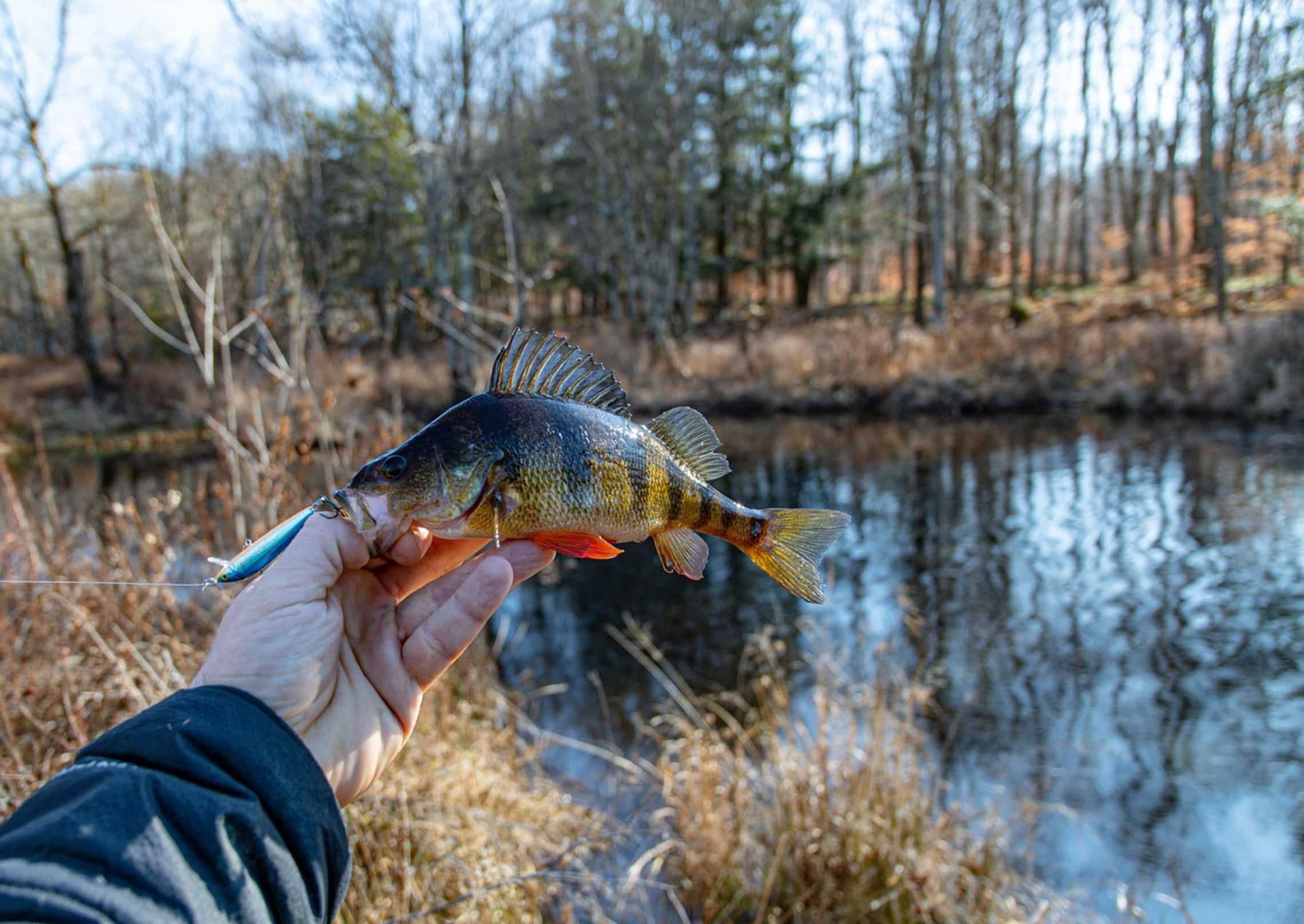
So you have a white perch lure in hand and thinks it looks just like the baitfish. You drop it down in dirty water and wait for a bite…nothing. Frustration sets in.
Why won’t the fish eat a white bait if white is suppose to be the magic bullet? Here’s what realy happens: Perch are opportunists. They don’t realy give a hoot about any kind of color-matching theory or philosophy.
Their only concern is survival. It’s an instinctual trigger. Instinct will trump being able to see exactly what is happening before them.
And knowing which one they’re keyed into change how you fish. From there it’s not about guessing by color and matching the hue of water. But rather imitating the behavior of particular forage.
Perch are chasing thing that look odd and are vulnerable. And perch are chasing things like the primary food base in its immediate area. So make your lure selection based off baitfish species dominating the lake, the clarity of the water and the time of day.
Choosing Lures That Match Perch Feeding Habits
Perch Feeding Instincts and Opportunism
White gets a lot of credit and anglers assume white works everywhere because it is visible. Fact is that white baits shine best when there is low contrast like deeper conditions or stained water. Where you have clearer water, a bright white spoon appear unnaturaly or even too big for the perch to commit to.
Perch are ambush feeders so surprise factors into their game plan. If the bait doesn’t look right, they won’t eat it. Matching the local forage isn’t always about matching the light but also than the forage.
White Lures in Stained vs Clear Water
These are natural colors on soft plastic. Small, crawfish-like baits works well during the warmer months. A three-inch curly-tail grub in olive or brown imitates their favorite food of aquatic insect and small crayfish.
Curly tails has an erratic action that triggers a strike response. Even if the perch aren’t actively hunting, they’ll still react to this pulsating movement. For them, it’s more of a familiar form than an over-the-top flash of color.
Using Curly Tail Grubs for Insects
When the forage change, your shad imitation should change too. If there’s a school of smelt or alewife around, both yellow and white perch will focus in on them. For this situation, a white or silver colored hard bait is what you want, but again it has to be fished to imitate a fleeing school of fish.
Erratic action coupled with speed are the key here. Slow, steady retrieves rarely work as real baitfish don’t swim in straight lines under pressure. Jerk the lure to give it a burst of energy.
Hard Baits for Smelt and Alewife
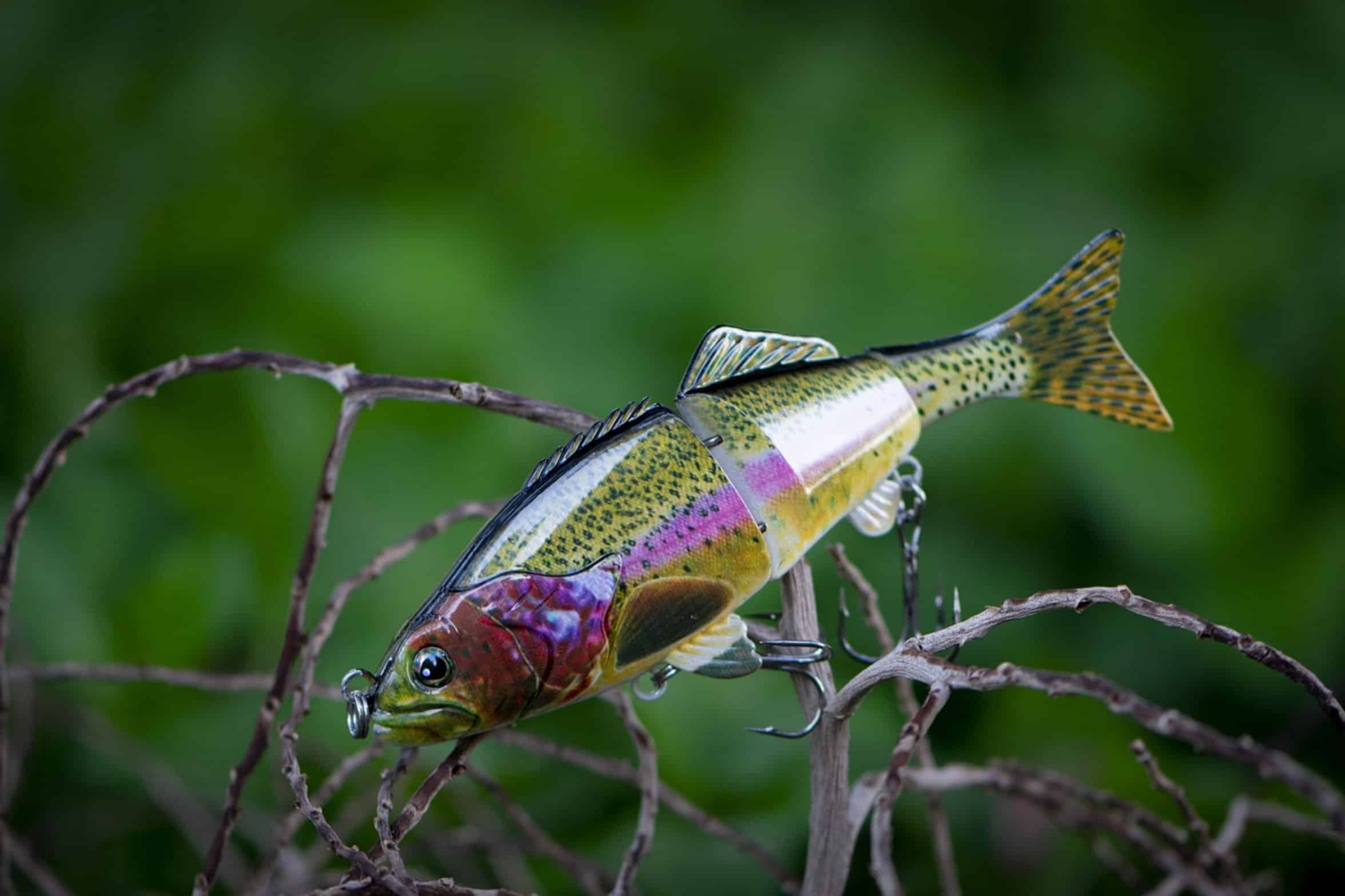
Your color selection is most dependent on the water clarity. Darker colors such as chartreuse, blue and even black tend to be good colors when fishing in dirty water. The contrast of the dark shape to the surrounding mud helps it pop off bottom.
The light reflecting off the water will also let perch see the dark shape against the dark bottom. Clear water tends to favor translucent or ghost white lure that don’t obstruct the light. In clear water a solid black lure looks like a shadow.
Matching Lure Color to Water Clarity
A solid black lure in clear water can appear as a shadow, which might scare fish rather than attract them. Color While color is important, size plays an equal role. Perch aren’t largemouth bass.
Their mouth are fairly small with not a lot of gape to them. The sweet spot is often times a two-inch soft plastic or a three-inch crankbait. Going oversized could of lead to inconsistent results where the fish will bite but then spit the bait right back out.
Using a realistic size for your presentation will ensure they stay hooked when they hit it. The key is simply observing. What’s the fish feeding on?
Selecting the Right Lure Size
If you can get a few back to the boat, look in their mouths. Match their color, shape and size. Throw away that old “white is the magic bullet” myth.
Begin to think like the fish instead of the angler. The vanishing lure will be the one that blends into its surroundings until it move to a new spot.
Observing Forage to Match the Bite