It’s the dreaded “slipping through your fingers” deal. You’re throwing it up on a rock pile or in a weed bed with that dinky little 1/16 ounce jig head. It won’t hold position for the life of you, and when you go to pinch it shut it shoots down your line at an alarming rate.
You pinch off as best you can, with numb fingers from cold water, and then the jig fall like a rock to bottom. Every fisherman who has ever picked up a pack of ice have had this same experience. Most guides suggests using a lighter line to solve sliding jigs.
That’s true in theory but in reality it generally exacerbates the issue. Thin line have less surface area to grip the plastic eyelet. So what do you do?
Simple Fixes for Sliding Jig Heads
Understanding Jig Sliding Physics
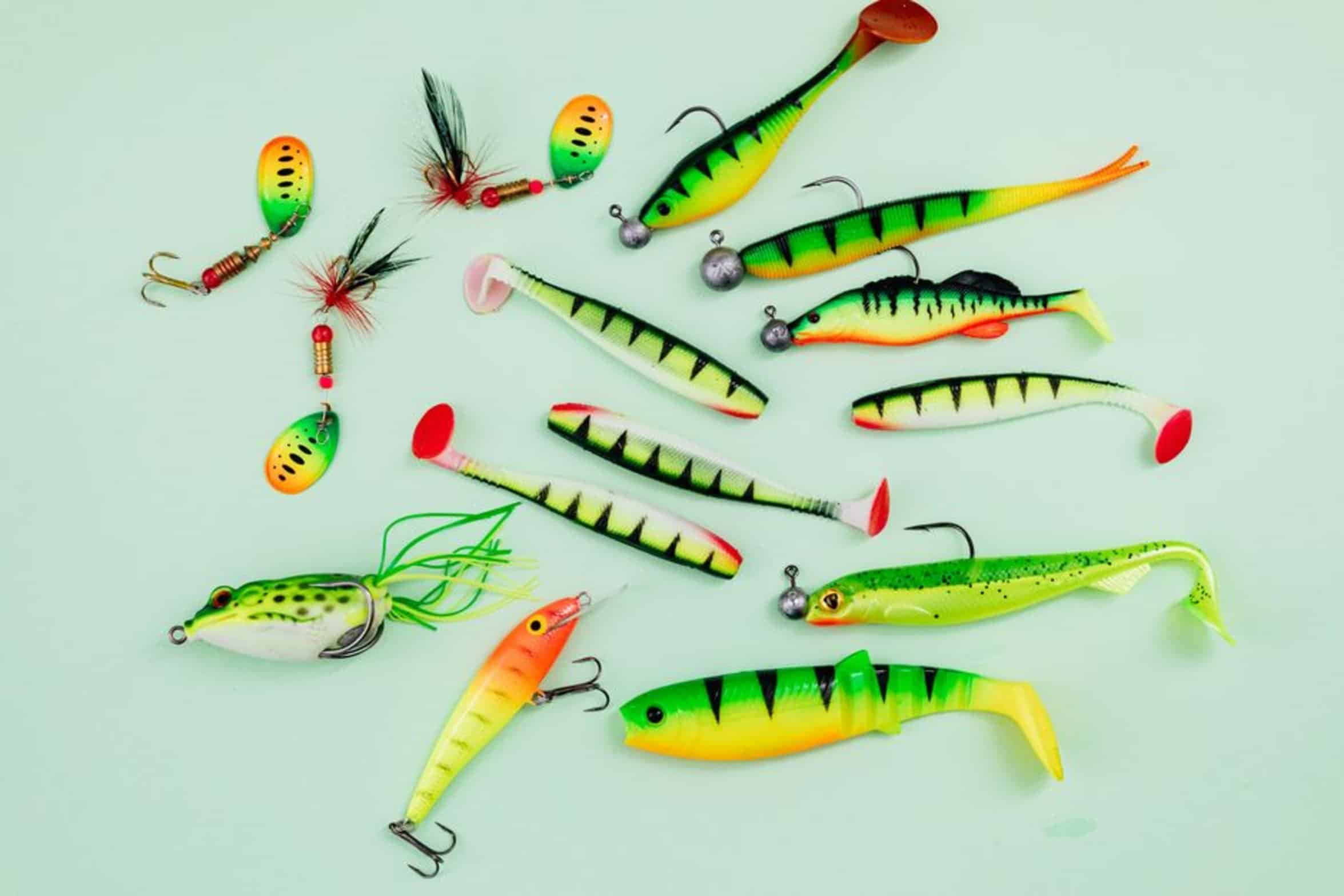
How can you get something as small as that weight to stay put while you struggle with getting knot tied? It really has more to do with understanding how tension, diameter and friction all work together under pressure than anything else. You should first consider the eyelet size versus the line thickness.
The smaller the jig, like a 1/16 ounce, the smaller its eye will be. When you put your 4-pound test monofilament through there, there’s nothing keeping the line from sliding freely within the eye. When you go to 8 or 10-pound test, though, you have some bulk that jam into the eye’s interior walls.
Monofilament vs Fluorocarbon Line
You’ll feel this and it seems backward, as if you are using a heavier line for a lighter lure. But it realy does work to your advantage. For those who desire no stretch, many will automaticly pick up a fluorocarbon.
Fluorocarbon is slicker than monofilament. While this make it awesome for sensitivity, it’s awful at holding a jig in position. Because monofilament has a rougher surface texture, it grips the metal or plastic of the jig head.
Next time your jig slide down the leader, consider using a monofilament leader. The increased friction instanty stops the slide. Surprisingly, temperature is a factor here.
Fishing line loses elasticity and becomes brittle in cold water. In other words, what keeps a jig secured to your line in warmer weather can cause it to slip in freezing temperatures. Why?
Because when the water is cold, the material contract. That contraction weakens its hold on hardware. So there are certain tricks we need with ice fishing line.
The Barrel Stop Knot
It’s not like summertime where any knot will do or tension work well. The cold forces us into a tighter mechanical lock. This is an end line knot.
Your final knot doesn’t recieve as much attention as it should of. You may have an overhand knot tied in that allow the jig to slide up and down the tag end. But with a barrel stop knot, there’s a physical barrier to prevent eyelet from sliding past a point.
Think of it as a bumper. Preventing the eyelet from going past a specific point mean preventing you from losing your tackle. It is a little bit of extra work, but it makes a big difference on the water.
Using Split Shot Weights
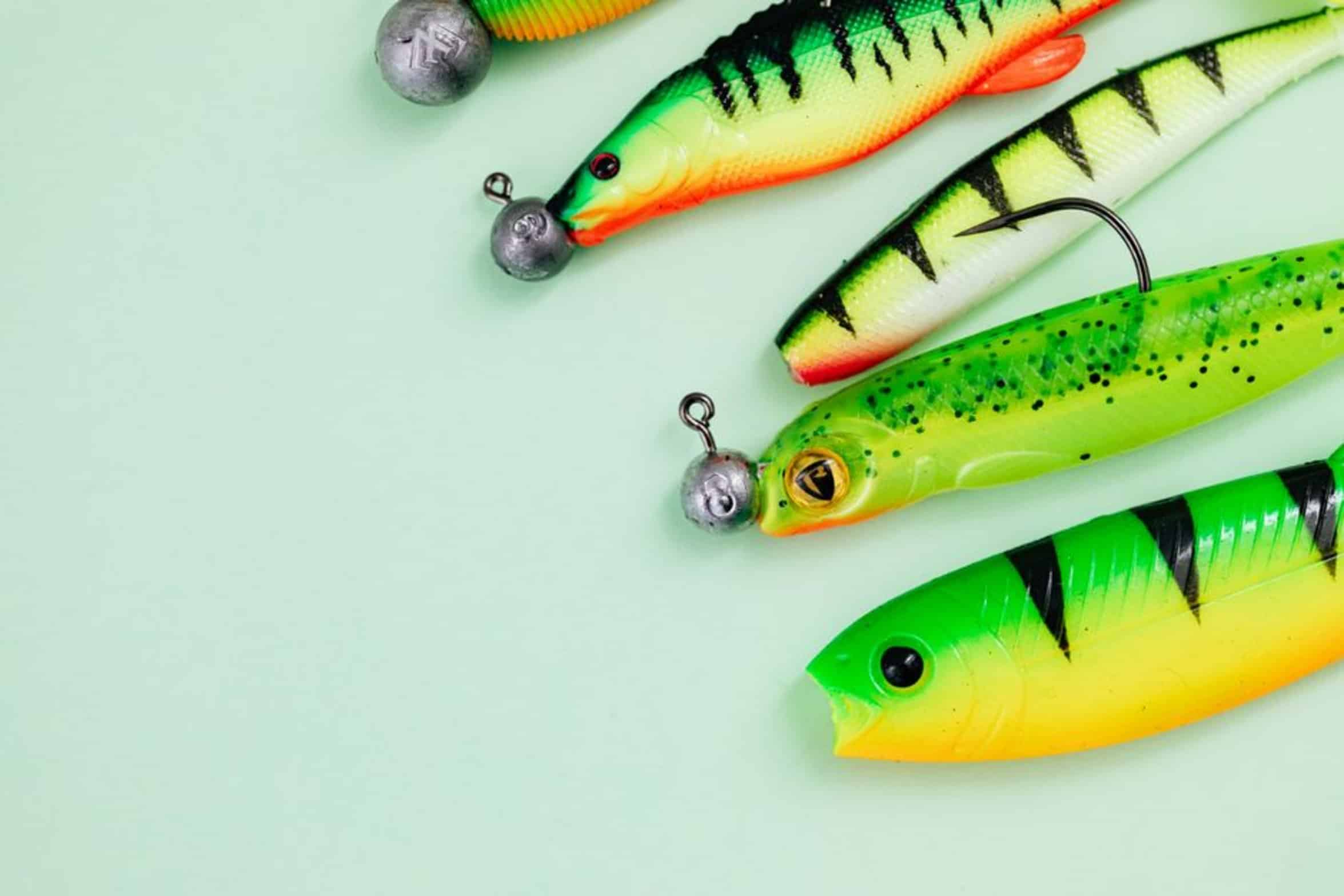
It is a split shot. Another way to remedy the issue is with a split shot. Take a tiny weight and pinch it several inches up from your jig.
It will add some downward pressure while not adding much weight at all. The split shot will act like an anchor keeping the jig head pinned to main line. Old school, yes.
Effective? Absolutely. When you’re looking for something that’ll work every time, this is it.
Avoiding Glue for Jig Heads
Others recommend super gluing the line within the eyelet. It is a permanent solution to a temporary problem. Chemical adhesives aren’t necessary.
Mechanical solutions works better, and they’re cleaner too. They can be adjusted on the fly. Recasting becomes a pain and it’s going to ruin your line.
Stick with friction and knots. Next time the jig slide out from under you, don’t kick yourself for your tackle selection. Try changing line sizes.
Go to mono. Install a barrel stop. Each one will position your jig right where you need it.
It’s all about control. Once you learn how the slide works in physics, you quit fighting it and go fishing. That’s the win.