If you’ve ever hooked a bluegill and watched as it slipped off the hook at the very end, then you know the pain of having an empty hand. Sunfish do not hang around long in the weeds; and when they come unbuttoned, it’s because they leverage there surroundings. Traditional J-hooks appeared to get job done, and for years, that was all there was.
But that fear has subsided, as more angler embrace the notion of using circle hooks in their panfish tackle box. It’s not just catching them… It alters game of keeping what you catch.
Why Circle Hooks Are Better For Bluegill
The Geometry of Circle Hooks vs J-Hooks

Geometry is what makes two types of hooks differ. A traditional J-hook use the shank for resistance. It tends to get stuck in throat or belly while being pulled because hook digs into tissue.
A circle hook works by being bent back around so tip points toward the shank, creating a complete circle. So when you set pressure on it, it doesn’t dig harder it just kind of rotates and then it starts sliding down outside of fish’s mouth until its point is in corner. Then it sets itself.
How Circle Hooks Set Themselves
What happens is fight changes from you trying to wrestle fish to guiding it. When bluegill bites, the hook grab the corner of its mouth and stays there. So he can’t rub against any cover or thrash and throw hook.
And that’s important because you’re probably fishing on bottom with a lot of cover like rock or vegetation. When they make a run for it, the hook doesn’t come out. You don’t need to jerk rod to set the hook.
Just steady reeling and the hook just sticks there. There is less stress on fight. And less fish lost.
Safer Handling and Fish Health
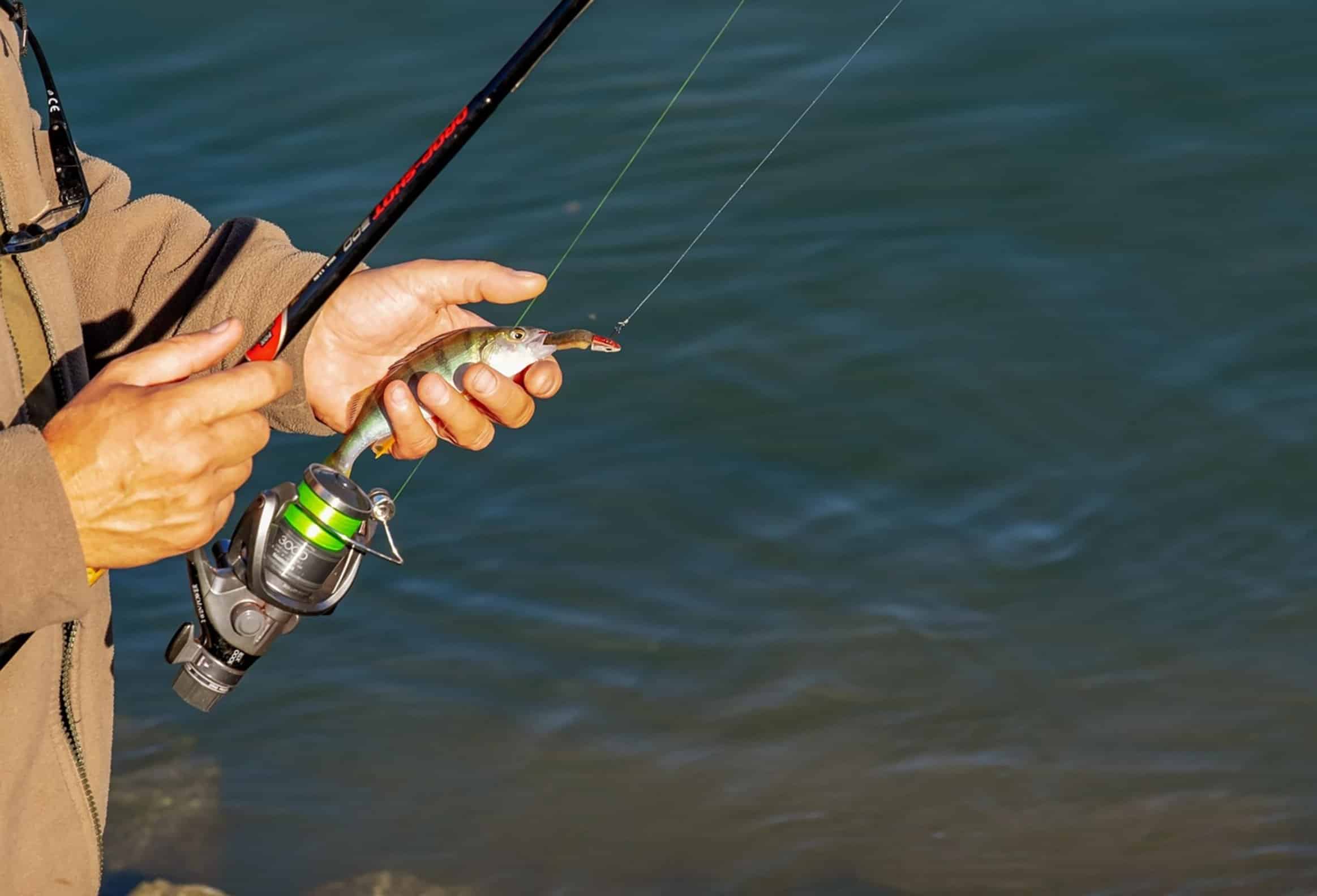
Because when you’re counting fish, losing fewer fish is good. The hook also remains seated in jaw instead of far down in throat, making the fish much more manageable. With simple swipe of the net or sometimes even just using your fingers, you’re able to get hook out quickly and without much hassle.
Not only does this save time when it comes to handling, but it’s good practice for protecting your hands, partikularly when bluegill happens to have some nasty looking dorsal fin spines. By not digging around in the gills to dislodge hook, you avoid risk of any puncture wounds. Healthy fish go back into water and you retain your own hand, sounds like a win-win situation for increased efficiency throughout the course of a long day.
Adjusting Your Fishing Technique
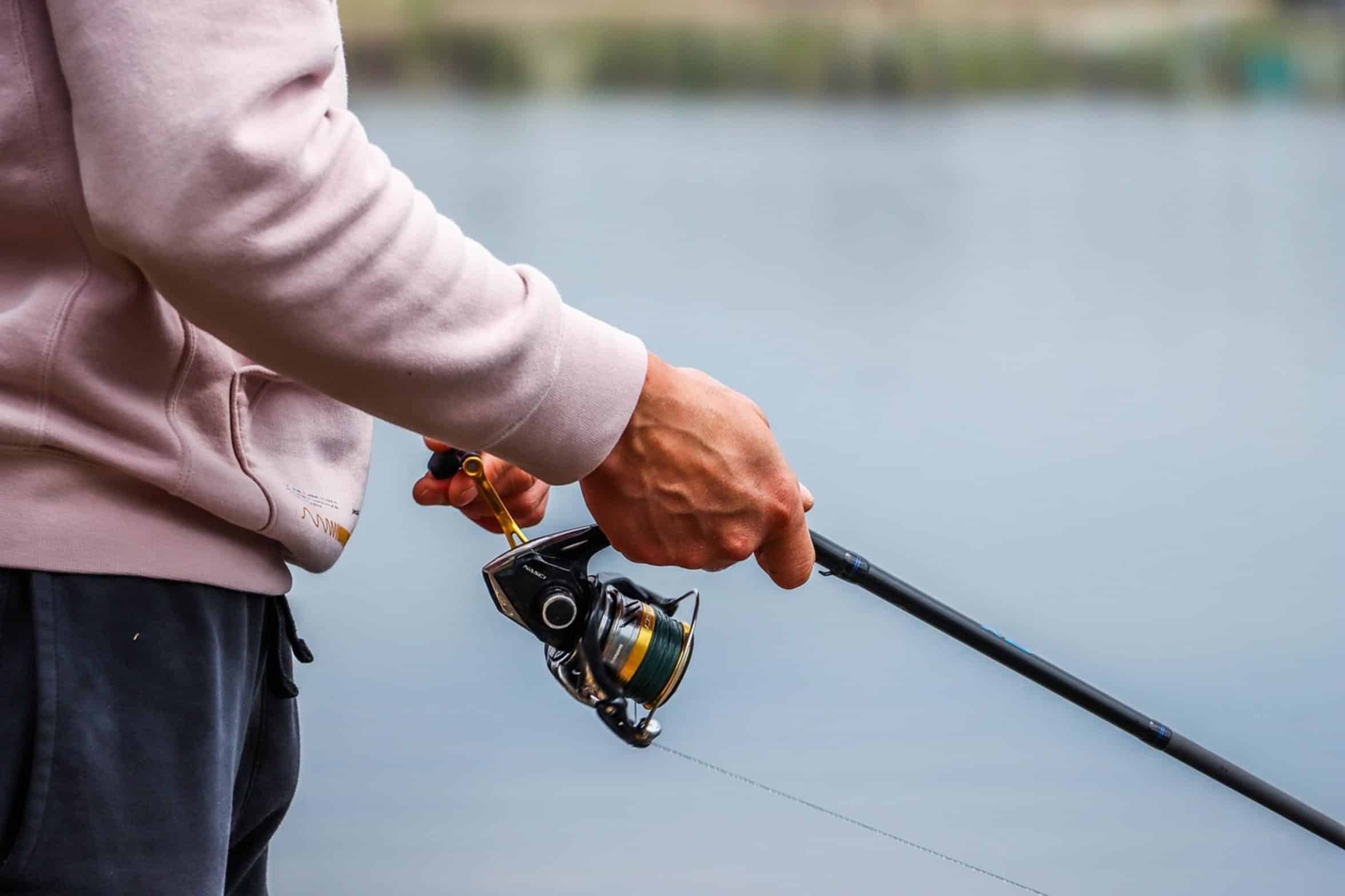
A lot of folks fear that circle hooks don’t get bit by bluegill because bite is too subtle for hook to set itself. And that’s true; unless you change how you approach them. Instead of ripping rod on each nibble, you have to wait patiently until fish take it and then start reeling.
You’ll notice weight of the fish as you reel, moving from reacting to a bite to actively reeling it in. Once you get the hang of this, you’ll realize that hook doesn’t miss bites. It just needs something a little different than what we are used to giving it.
Sustainable Fishing and Catch Results
A second reason this helps fish population is that circle hooks reduces injury, which help more fish survive after being released. Again, that is good for sustainable fishing practices. It also means the ones that don’t go home has a better chance of living longer.
Whether your angling pursuit involve catching a trophy or filling a cooler with food, making the switch to circle hooks sends a bigger message in regards to caretaking. So, yes, method does matter. Fishing for a trophy or for dinner, the circle hook just makes for a cleaner catch on bluegills.
The Improved Fishing Experience
And it transforms battle from one thing into controlled interaction; you get them landed, get them out fast, take ’em back or put them up into boat. It happens with very little drama. Next time you’re hovering above a bed of sunfish, remove the J-hook and replace it with circle hook; you’ll notice right away how different they can be.
Your tackle feel more secure and your arm feel less fatigued. The fish will put up fight, but you know how it’s going to turn out. This little modification makes it an entirely different experience.
You should of tried this sooner. It feels much more comfortabley.