Precision, not brute strength, is key to crappie fishing. The plastics in your box makes all the difference between catching fish and coming back home with an empty net. It’s a subtle game and going wrong will waste precious time on water that doesn’t open up like it should.
Plastic baits aren’t all the same. They’re each designed to serve a particular task by imitating various prey and eliciting unique behaviors from crappie. Knowing which to use when can be the difference-maker if you need to adjust based off water conditions.
Best Plastic Lures For Catching Crappie
Jigs as the Backbone of Crappie Fishing
It’s no longer guesswork; it’s about going after them. A random cast now becomes a well-placed attack. Just about every crappie anglers’ box will have jigs as backbone of their crappie fishing tools.
Whether a simple hook and plastic body or the good ol’ football jig, they’re versatile as you can present them exactly how you want. Drag ‘em on bottom. Suspend ‘em mid-water column.
Make ‘em sink by changing weight of your jig head. Trigger ‘em with your plastic body or skirt. They is light enough for fish to feel, yet heavy enough to remain in strike zone.
Using Swimbait for Aggressive Strikes
Swimbaits imitate the look of live food better then static offerings. As the swimbait follow your rod tip and current, it creates a lifelike profile that causes vicious attacks. When you see fish eating on small baitfish aggressively, try ‘em out.
Slow retrieve with periodic pauses are the trick. Because crappie are ambush feeders, they can’t resist a hurt or tired-looking meal like a swimbait that pause. A soft plastic tube has proven itself to be all-around go-to crappie bait.
The Versatility of Soft Plastic Tubes
It’s basically impossible to mess up. Just simply raise and lower your rod and those open ends will flitter back and forth creating an attraction that cannot be resisted that mimics struggling small crayfish or shad in the water column. When fishing is tough, near cover or in stained water when vision is limited, a tube shine.
Because it’s slow sinking and naturaly floats with current, a tube stays in strike zone longer then many other baits. More times than not, fish comes across it instead of running it down. A tube type bait has an action and feel similar to marabou imitators and spiders.
Marabou Lures for Limited Visibility
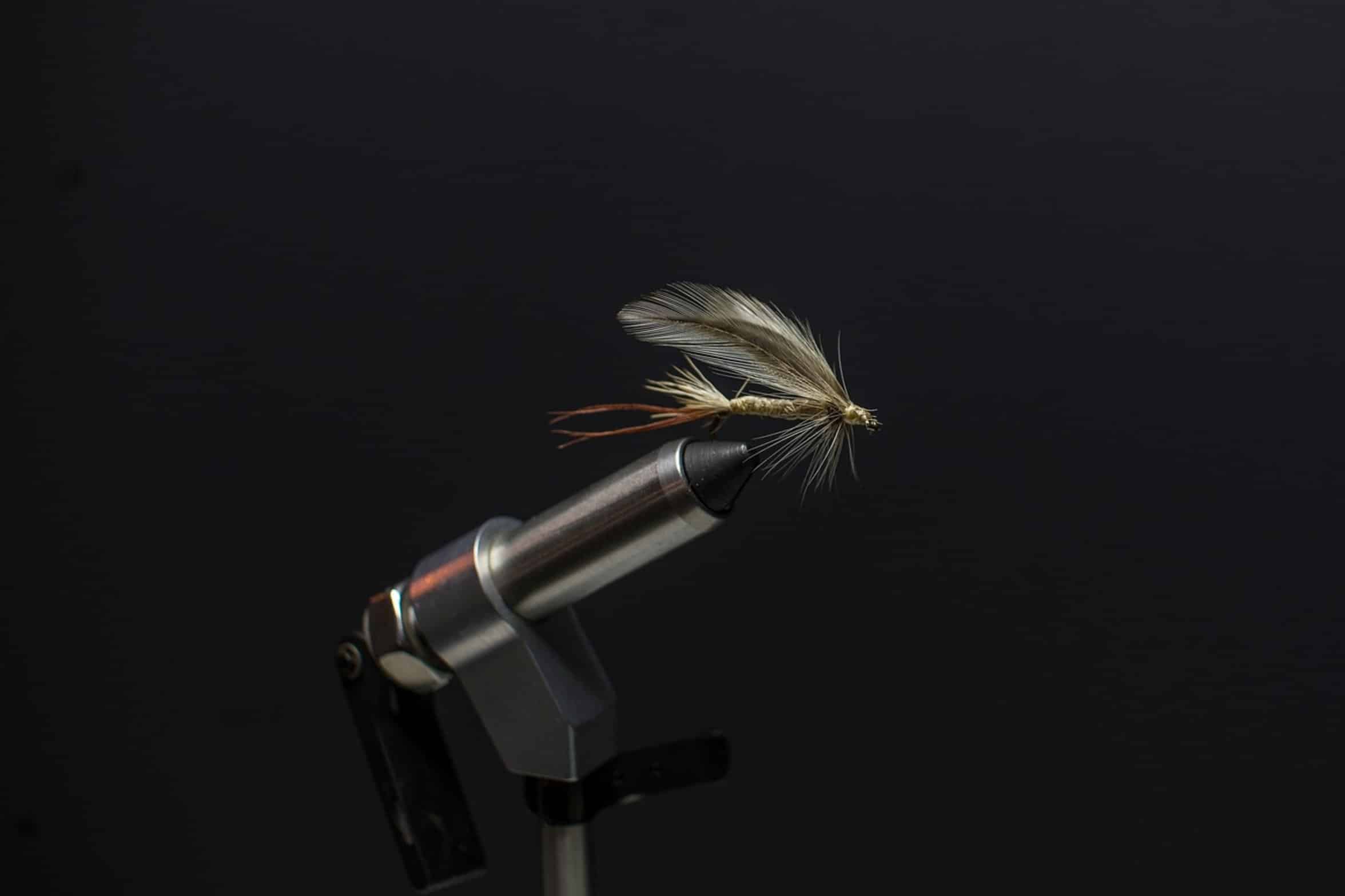
The fake fur pulses in the water making it look natural to eye and read well on your sonar. These work great fished vertically near timber or docks. The size of the material move a lot of water and has vibration that attracts fish from a distance.
Spider Lures for Tight Schools
A spider lure will let you put more of a target out there when the fish is tight schooling yet not scare them away with too much flash. Size matters more then you might expect, so downsizing can make all the difference. Crappie will often get picky, particularly on clear water fisheries and in pressured fishing seasons.
Matching Bait Size to Natural Forage
I know a three-inch plastic looks like nothing, but on a lot of lakes it’s the same size as their natural forage. Downsizing your plastic has made all the difference between a bite and a miss. Match the hatch.
The minnows in the water are tiny, so your plastic needs to match them. You is not catching more fish, but you are catching the fish that are actualy feeding. Keep it simple, You’ll see this all day long with colors as well.
Choosing High Contrast Bait Colors
These colors are black, chartreuse, and white. These is your staples. They will produce in most situations.
And if it’s stained, you might of want to throw on some pink or red. Don’t go overboard with crazy complicated patterns, because crappie hunt by sight. High contrast is better then detailed intricacy.
Tie on a chartreuse jig or a white tube and if they’re not biting change it then. Keep it simple and naturaly to let the water do the work for you.