There is something about a Dobyns Crappie rod you can’t help but notice when you holds one. It feel almost thin but very light with a quiet confidence that tell veteran angler everything they need to know. Standard bass equipment simply proved far too heavy and unresponsive for the subtle presentations needed on minnow and slabs.
Mike Dobyns‘ goal was to develop a tool capable of sensing the slightest tap in current. He produced a series of rods that have defined the crappie fishing experience for decades. Now, don’t get me wrong.
This type of engineering isn’t just for tournament pros. Crappie fishing is all about sensitivity and patience over raw power, which can actualy make this kind of specialized gear more helpful for everyday guy. When you’re hovering around brush pile early in the morning or trolling all day long, every extra ounce in your hand matter.
And Dobyns was able to take that extra weight away without compromising on durability. It’s a rod that feels like it’s part of your own arm. Like another extension.
It is not like a separate tool you’re swinging around.
How Dobyns Crappie Rods Enhance Your Fishing
The Science of Rod Sensitivity
A big part of it come from the rod blank. Dobyns has developed his own proprietary blend of graphite material that’s very sensitive but also very flexible.
You’re able to detect the bottom texture on the tip of your rod to help find structure in which crappie will tuck. This doesn’t sacrifice any action since the rod still load well when setting the hook, and it give you just enough backbone to set the hook into those thin crappie lips. That’s a tricky balancing act that many manufacturer miss.
But sensitivity isn’t all that matter. Because crappie will be biting a wide range of lure, you want something that has the right action. Dobyns has a model for every technique; fast, medium and moderate actions.
Matching Action to Technique
If you’re jigging vertical with a tube or minnow, you’ll want something a bit faster to drive the hook home. If you’re drifting slow moving float or spoons, you don’t want to pull it out from underneath a hesitant fish, so you’d of go with more of a moderate action. That give you the ability to match the tool to the bite instead of making the fish adapt to what you’ve got.
Ultra-light rods have always been something you worry will break down quickly. But this one hold up quite nicely. The alignment of guides help stop line wear and tear from long battle.
And the handle aren’t fatiguing, even after extended days of fishing. Be careful using this rod on big bass though, as you may be afraid you’ll snap the tip off. That’s not what this rod is for, however.
It’s made for panfish, bream and crappie.
Durability and Target Species
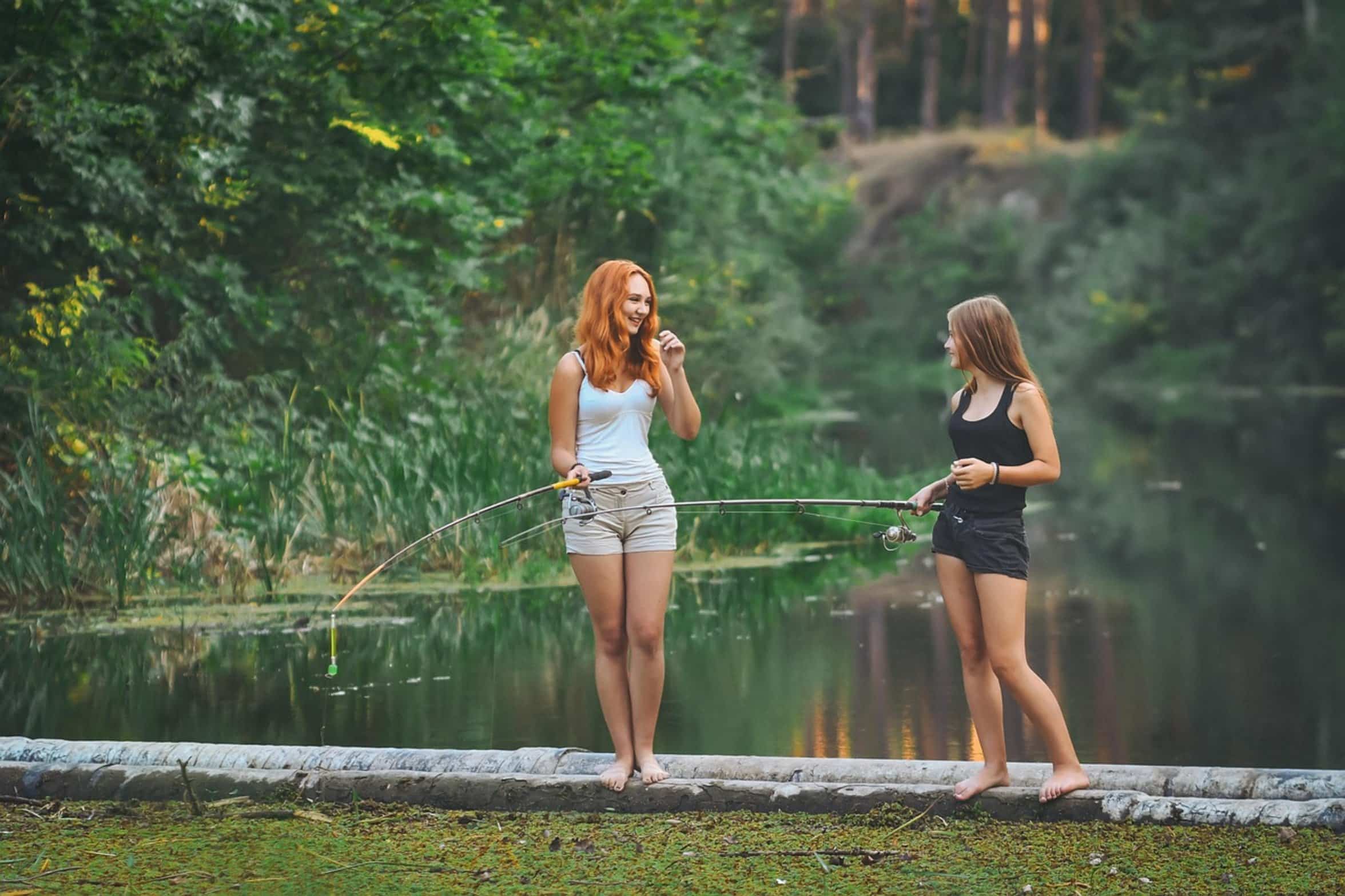
If you use it for anything bigger than that, you’re asking for trouble. For what it was meant for, however, its practically indestructible.
Grip and reel seat config The grips and reel seats differs from model to model. Some are designed to be more compact for boats with limited space while others has an extended length to give you more leverage. Think about fishing style.
Choosing the Right Grip Length
Do you stand on a bank and want the longest cast possible? Longer handle then. Boat angler?
Shorten up that grip to keep everything nice and neat. But it’s not going to make you a better angler; it’s just more comfortabley in your hand. Ultimately, it’s all about respect for the craft of fishing Dobyns Crappie rods.
It is about taking the time to slow down and pay attention to the details. Where the subtle can be made real and seen with the rod. And when you feel the slightest tug on your line, you will have no doubt as to what is going on under the surface.
It take an ordinary afternoon and turns it into a concentrated effort. You begin to see those little details like shadows, current, and the subtle changes in depth. And that’s where it realy matters.
It is the choice between leaving home empty-handed or filling up the cooler.