There will be snags regardless off where you fish in heavy brush. It’s not realistic to think you won’t get snagged; we’re simply trying to minimize frequency and severity of snags. This increases your odds of staying in battle longer.
How to Fish Heavy Brush Without Snagging
Choosing a Stout Heavy-Power Rod
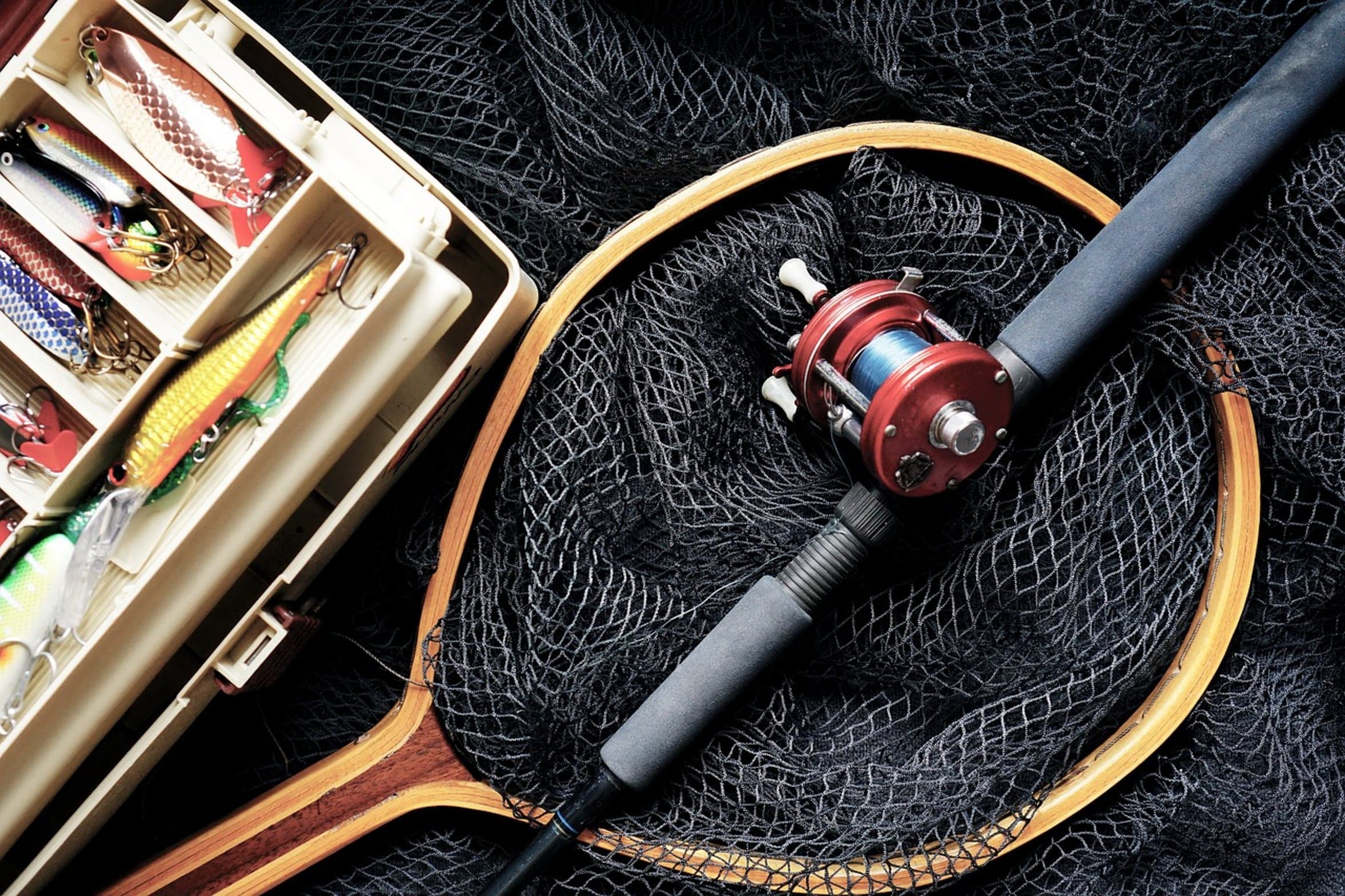
What rod do you choose? For one thing, a stout heavy-power rod allow you to set the hook hard and rip jig out of whatever it becomes lodged in. A light rod flexes too much, driving hook further into the mess.
Having a solid rod allow you to extract the jig before it’s too late. Otherwise, it gets stuck down deep and never return. Learn how to avoid getting hung up.
Selecting Wide-Gap Hooks and Head Design
A well-designed jig head help prevent you from losing gear. Wide-gap hooks is common here. They provide good penetration into the vegetation while allowing bait to sit naturaly and have some space around it.
When hook deflects off a limb, the wide gap keep the hook in place so there’s less likelihood the hook will straighten and let fish go. Seek a solid hook bend and a strong point. A weak hook bend on contact the first time it’s slammed into something.
Hooks marked for heavy cover helps prevent the most annoying loss of all.
Proper Jig Weight Selection for Cover
Anglers has trouble with weight selection. It’s easy to think heavier = faster = better, but fast isn’t good in thick brush.
When a jig sink, it has a bunch of energy from falling. That energy get transferred to the first piece of cover it strikes. In this case, instead of deflecting off a root, it dive into muck or twists around a limb.
Going light mean slower fall. So what happens? The lighter jig drift through the vegetation with grace.
That way you can feel when it contact the bottom and then set the hook. Let it settle slowly. Patience pay off down the road in saved tackle.
Retrieve Technique for Thick Brush
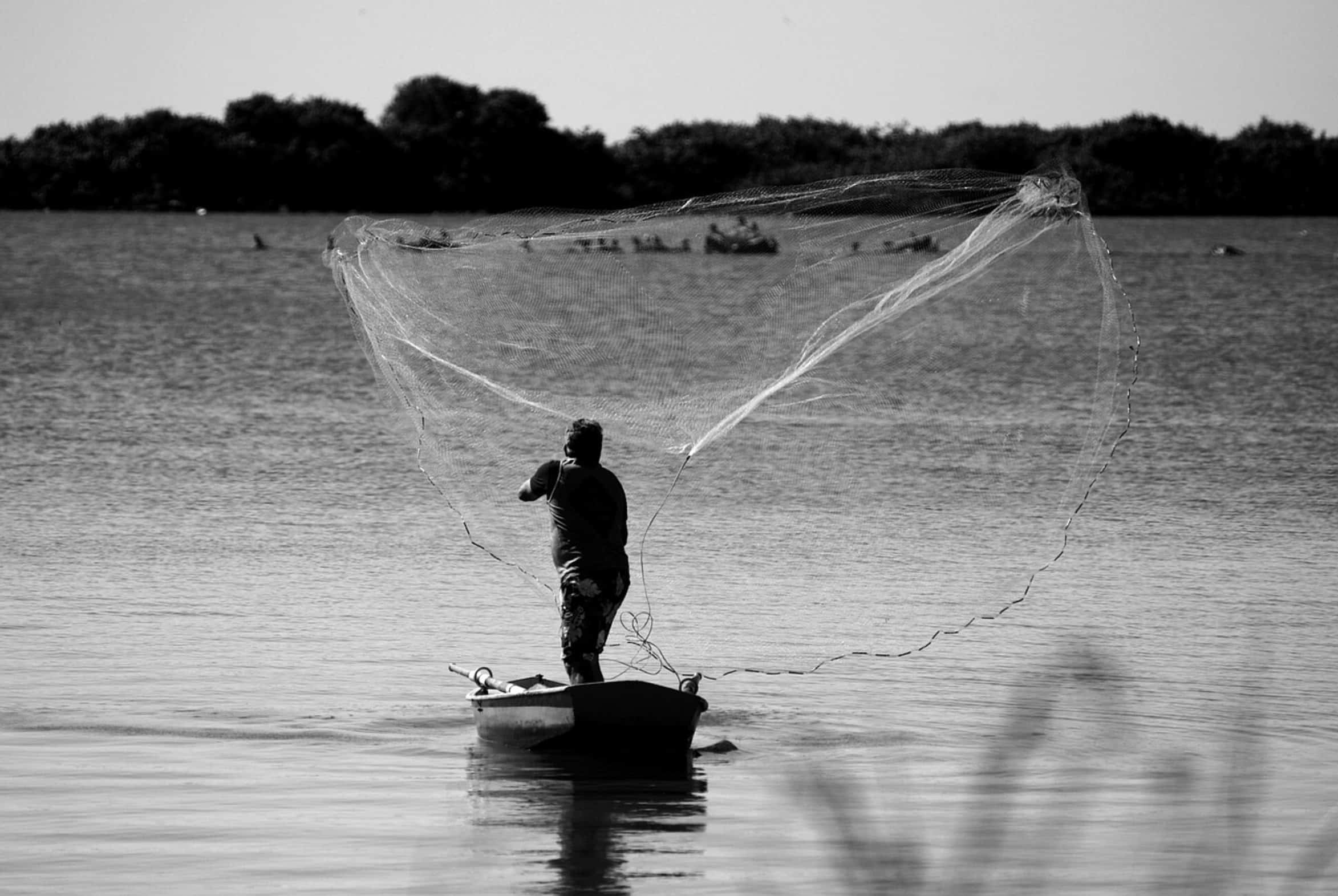
Many angler break off their jigs throughout the retrieve. Don’t make the mistake of cranking your reel as fast and hard as possible. That’ll pull your jig across the bottom and is more likely to get snagged in debris.
Instead, use a slow, steady retrieve with intermittent pauses. Between each turn of your reel, let your bait fall a bit. This vertical action will keep your jig standing upright while also clearing minor obstacle.
Should you encounter any resistance, simply pause your retrieve and lightly jig your rod tip. This vibration often dislodges the hook from any soft debris without tearing your line.
Best Line Types for Snag Reduction
Your line choice also impact snagging ability.
Although braid is strong, it tends to stick to cover like a magnet and float. Both monofilament and fluorocarbon has an easier time sliding along a rough surface. They also tend to sink down into the cover a bit.
Using a beefier fluorocarbon leader will actualy help cut clean through brush. It will also make jig fall straighter due to added weight. You sacrifice feel but gain by not losing jigs.
Targeted Casting and Snag Recovery
You will lose some but it’s worth making every cast matter. Don’t just fan cast to a brush pile. Target certain section by firing casts into the outside edge of the brush where you know the fish stay.
Cast accurately. And if you do hang up, quickly reel down the slack and raise your rod tip high. A quick response is key here.
Fishing heavy brush is both a test of finesse and nerves. Go slow, use good equipment and you’ll catch more fish and lose fewer jigs. Your wallet don’t get empty and the water remain silent.