Sometimes you can have fish in front of your lure and still they won’t eat because what you’re showing them don’t match their natural diet. Panfish like bluegills, crappies, and sunfish is all visual hunters. They know what size are, what movement is, what texture is immediately.
Show ‘em something different than those characteristics and you’ve got an imitation that falls short. Speaking their language instead of ours make for a good day. The key is knowing which patterns will give them the menu they expect to see and make difference between a slow morning and a productive one.
Best Fly Patterns for Catching Panfish
Understanding Panfish Visual Feeding
She was a nymph. A nymph will be your best bet to start with for panfish because it mimics the immature stage of mayflies, caddisflies, and midges before they hatchs. A nymph is extremeley versatile in the water column.
You can let it float mid-way in the water column or drop it down close to the bottom. Because it has a weighted hook, it will naturaly sink to the bottom while pulsating hackle fibers simulates the struggling insect. The dry fly are a powerful weapon when sun is high and the fish are feeding at the top of the water column.
Nymph Patterns for Versatile Depth Control
This is especially true with bigger sunfish like bluegill. They will aggressively rise to take terrestrial insects falling into the water. You want a pattern that not only floats but also cause some disturbance.
An Elk Hair Caddis do this job nicely as hair holds air making it float. Throw it around edges of lily pads and they won’t pass it up. Watch for the ring on the water and set the hook.
Dry Flies for Surface Feeding Fish
Again, time is everything. Another consideration in the late summer and fall are land patterns. Ants, grasshoppers and beetles is major fare for these fish and they frequently drop them into the water.
A small beetle pattern on a size 14 or 16 hook work really well. Your goal is to have the fly barely under surface film to imitate a drowned bug. If conditions are right and a panfish is near, he’ll grab this slowly drifting beetle.
Imitating Terrestrial Insects with Beetles
It’s a very simple imitation but one that often gets largest fish. Panfish will take a drifting beetle over a perfectly presented nymph if condition are right. Again, these tiny insects hatch in massive clouds, and panfish feed on them relentlessly.
Because there’s such a lot of food, they’re wary; that’s why you have to present delicatey. A Pheasant Tail Midge on a size 20 or 22 hook mimic the natural look. There is no way it will raise any red flags, either, since it’s small enough not to get suspicious.
Fishing Delicate Midges for Wary Fish
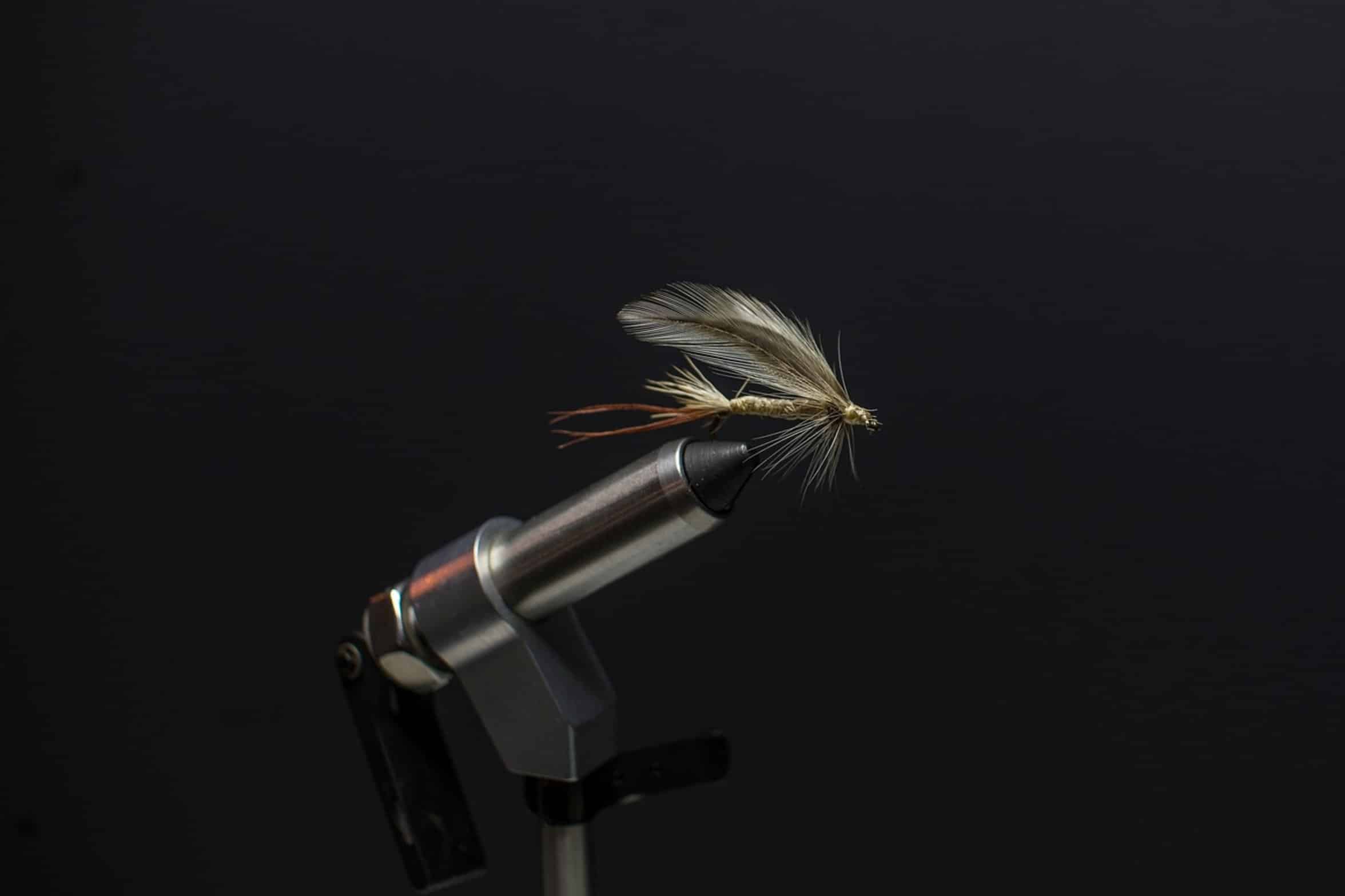
Use a light leader and allow it to float along without jerking or twitching it. If a fish take it, he’ll suck it in softly. You’d better keep an eye on that line, because you may not even know he’s got it until he runs off.
But when it’s on, it’s usually bunch of active fish. Because of their small mouths, panfish don’t eat large flies well, so you will miss strikes or lose fish when using an oversized fly. Keep your patterns small, usually between sizes 12-18.
Selecting Small Fly Sizes and Colors
This make it easier to set the hook and hold onto the fish. Use thin tippet material that helps the fly appear delicate and adjust visibility based off the water conditions. For clearer waters, stick with natural colors such as olive, tan or brown while adding some orange or red to make it stand out in dirtier water.
A few simple changes can double your catch rate. When it’s about flies for panfish, it’s all about observation and adaptation. You watch the water for insect activity and adapt your pattern to what you’re seeing.
Adapting to Insect Activity and Hatches
If fish are rising on some insects, change to a dry fly. If they aren’t doing that but you see beetles, then tie on a beetle. Just make sure not to move it so much that you appear to be an easy meal.
Match the hatch and the bites will follow. The right fly in the right place is a powerful combination. Mastering these patterns means the tank will fill up quickly.
You are giving them exactly what they are looking for.