Panfish are often thought of as just a warmup act, something you catch to wet a line while you wait for big one. That’s certainly an easy thing to do. It’s no wonder people keep casting when they feel that adrenaline rush as the pike or bass jump on the line.
But some species provide as much flavor and fight as bigger predatory species and yet most folks lump them all together when it comes to freshwater fish. Using a small hook with a small piece of flake works for a carp just like it do for a sunfish, but that won’t catch what they are looking for. Some panfish can be aggressive predators themselves; they deserve specific tactic too.
You don’t have to be chasing trophies to enjoy a good day; knowing which ones to target makes it more of a serious hunt than a routine check. The following fish, however, will make your day worth the additional effort. They might taste better, fight harder, or simply not behave like most bait-eaters.
Top Freshwater Panfish Worth Chasing
Targeting Giant Bluegill
All you need is different mindset and some different gear to target them. For all their numbers and aggressiveness, there’s good reason that bluegill reign supreme as kings of the panfish world. You don’t want those thumb-sized fry that hug the bank, however; instead, you’re after the giants.
To catch them, you’ve got to be precise, since big ones hold in deeper water and won’t tolerate sloppy presentations. Finding the structure is key, so drop your sonar (if available). Focus on submerged drop-offs or points where the cover stop and make a few casts to edge with a live minnow or small jig.
These big bluegills are ambush predators, and they’ll wait patiently until something passes within striking distance. When one do, look out. The rod will bend, which is surprisingly a lot of fight from this little critter.
Catching Quality Crappie Slabs
It’s tempting to think that crappie are an easy fish to catch; they’re easy to find when they school up and easy to make bite. But they don’t just run around randomly. A lot of anglers has discovered that catching a limit of quality slabs takes both knowledge of location and a lot of patience.
Crappie follow the baitfish and as much as anything, they follows the water temperature. When you find them, you know where their food is most concentrated. Finding a school, however, can make bite very electric.
Crappie will strike hard and surprise you on occasion once located. Vertical presentations, such as a marabou jig suspended under a cork or even a small tube bait, work best. The trick is getting your bait down to the weed line and letting it hang in place.
Crappie are visual hunters so you want to give them time to get a good look at your lure as you slowy lower it down. Don’t jerk it; often times this spooks a crappie off. So be patient, but be ready because the bite comes at the right time and it pays off big.
Battling Freshwater Carp
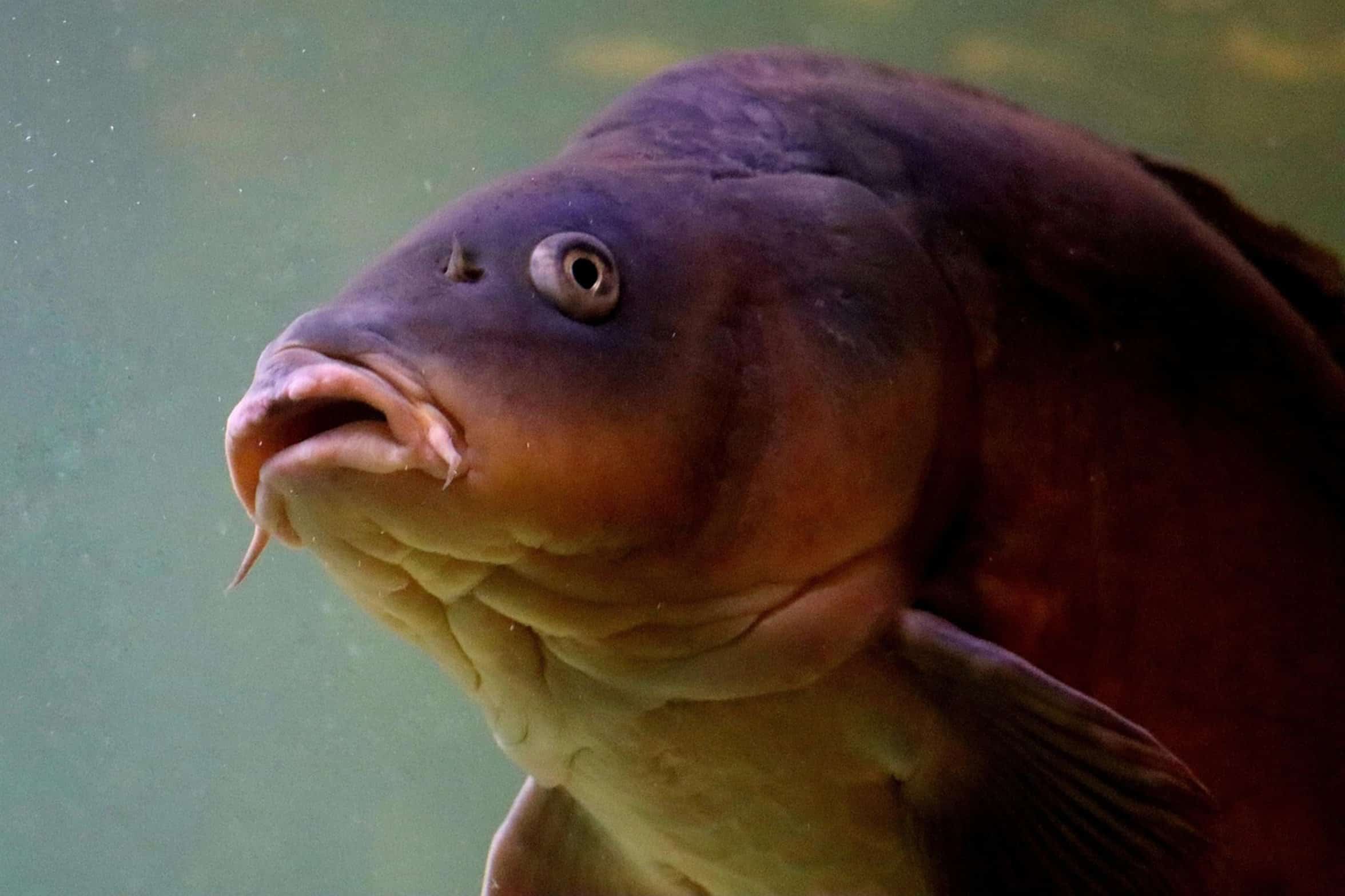
The American Freshwater fishing scene’s most overlooked and underrated species is also one of its strongest, carp. They are some of the smartest fish in fresh water, strong as all get out and big. But they are so un-pressured, the majority of fishermen catch them incidentally and toss ‘em back.
Bad idea. Carp are bottom feeders, with strong tails that pull hard, and if you haven’t hooked a carp, it’ll make even an old pro tired. They has sensitive lips that can feel any line before you realize it.
Standard panfish tricks won’t get the job done, and bread, corn or dough balls is the ticket. Heavier tackle and special bait are required. If rigged correctly with a hair loop (this keeps hook off the lip), the carp will go to the bottom and stay there.
The fight is relentless and will feel more like wrestling a motor boat. This goes to show, size doesn’t always define a great fight.
Luring Yellow Perch Schools
Yellow perch are tasty, school well, and is often discounted as bait fish.
However, perch do take a small offering when approached properly. A perch will attack a small marabou jig around weeds or a small spoon. That is the trick with perch because they school together.
If you spook the school, you don’t get any. Approach quietly, throw past the bait, and slow down your retrieve. Don’t rush setting the hook.
Perch will follow a lure then hit it. That second opportunity for a hook-up means you’d better have your hook-set buttoned up tight and quick. Bites may be subtle (pay attention or you’ll miss ’em).
White vs Blue Crappie Differences
The two species of crappie are cousins but each act differently. White crappie is typically bigger and more aggressive than their cousin the blue crappie. Blue crappie like shallow cover and usually cleaner water.
White crappie tend to hold deeper on structure throughout the day and can be less picky about water clarity. Both species are great table fare and knowing what type of crappie you are after helps determine where to target them. Crappie have very firm and sweet meat but do not let them stress long.
They will die quickly, so use a rubber net to handle them to preserve their slime coat. If you decide to release them, there is a good chance they’ll live. Proper fish handling is key to sustainable fishing and those fish are easily hurt by a metal mesh net.
Panfish are not fillers, but instead deserve respect for some of the best fishing of all. Learn about them. Adapt your equipment.
Because the reward? The reward is a better catch and a better meal. You’ll discover that this small fish game is much more complicated than you might think, and the work makes it even more satisfying.
So understanding what each fish wants means making the whole thing more worthwhile to pursue.