The gear is as important or even more so then the bait when it comes to slip bobber fishing. Lots of guys grab their lightest ultralight rods and go at it. They cast line out, wait and then wonder what is wrong with the fight.
A good slip bobber rod should manage the slack line while still having enough backbone to set hook on a fish. Too much stiffness and you’ll pull hook out before you get the fish hooked. Too soft and you’ll part ways with the bass who eats your terminal tackle.
It takes the right rod to know how it work with sliding bobber system. So what do you look for? First, it’s about action.
Key Features for a Good Slip Bobber Rod
The Importance of Action and Tip
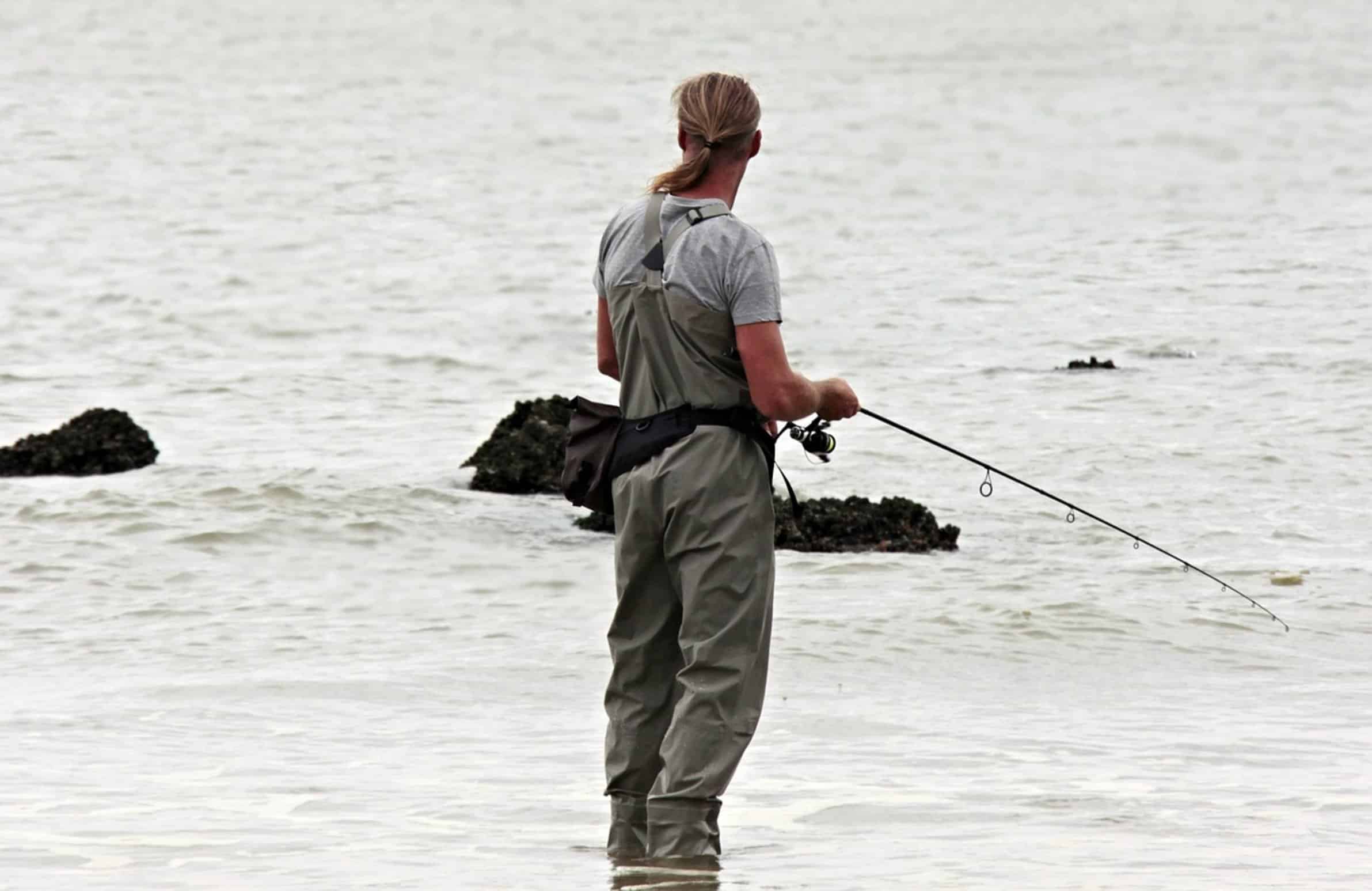
Overall action should be moderate to slow with a fast tip. That fast tip will twitch whenever a fish touch your bait and lets you see subtle bites. That visual feedback are critical.
If you have a stiff spinning rod that won’t allow for subtle actions, it will mask those little movements and before you know it the fish has already swallowed hook. The moderate backbone gives you time to absorbs the initial run by bending instead of breaking. This combo is what separate a functional rod from a frustrating one.
Choosing the Right Rod Length
More is better. The majority of slip bobber rods measures between 7-8 feet. But longer isn’t always better right?
Wrong. Longer rods provides more leverage. They allow you to throw lighter rigs farther and keep you further away from spooked fish.
Also, the longer rod provide a larger arc allowing for more precise placement of the bobber. It is precise because sometimes these fish stays in shallow water near cover.
Rod Materials and Sensitivity
In terms of materials, it’s all about sensitivity.
Graphite blends transfer vibration more efficienty than fiberglass. That means you’re going to be able to feel line moving through the guides and that leads to confidence. You’ll know when the fish bites and when your bait hits bottom with carbon fiber rods like you do.
They’re also lighter though so your wrist will thank you at end of a day of casting. Fiberglass feels dead by comparison because it dulls signals you are trying to feel.
Guide Quality and Line Friction
The guides need to be good ones The finish needs to be smooth.
Friction on your light monofilament will slow the slip bobber down and cheap guides that catch line and have a little burr can do just that. You want aluminum oxide or ceramic inserts that finishes flush with the frame of the guide. Anything rough can lead to issues.
It’s one of those small things, but if it doesn’t work right in this system, it could of ruin an entire outing.
Top Brands and Final Tips
Consistency is key. When it comes to rods, there is plenty of companies out there…
Lew’s, for example, or Ugly Stik, that provide solid entry-level options. They’re priced right and they don’t blow smoke, they deliver what they say they will. Don’t overpay but also don’t buy one that dance around on a gust of wind.
A consistent tip allow for accurate reads that lead to hookups. Next time you’re on the bank, take a look at some tackle. Is the tip good?
Does it balance well in your hand? Does it fit you? The quiet lake rewards you for having the right tool and being prepared.
Get one out there, cast it out and wait. The bite is closer then you think.