Panfish are different. Catching them isn’t about trophies; it’s about catching fish for dinner. Crappie and bluegill don’t gets mounted on your wall like trophies.
That makes cooking panfish a little more difficult then other species. While a bass might be able to withstand a little abuse, a sunfish won’t stand a chance. Their flesh is fragile and their skin is as thin as paper.
From hook to pan, one wrong move will leave your dinner in mush. And this is an all too common occurrence around the picnic table. Catching them is easy.
Most anglers already know what to do. Drop your little jig down there. Wait for one to bite.
Set the hook and bring ‘em up. But cooking panfish require a delicate touch, which is why they deserve our respect. They are unforgiving, so you must understand heat and be gentle with that touch.
Steps To Cook Panfish Without Ruining Them
Choosing Between Whole Fish and Fillets
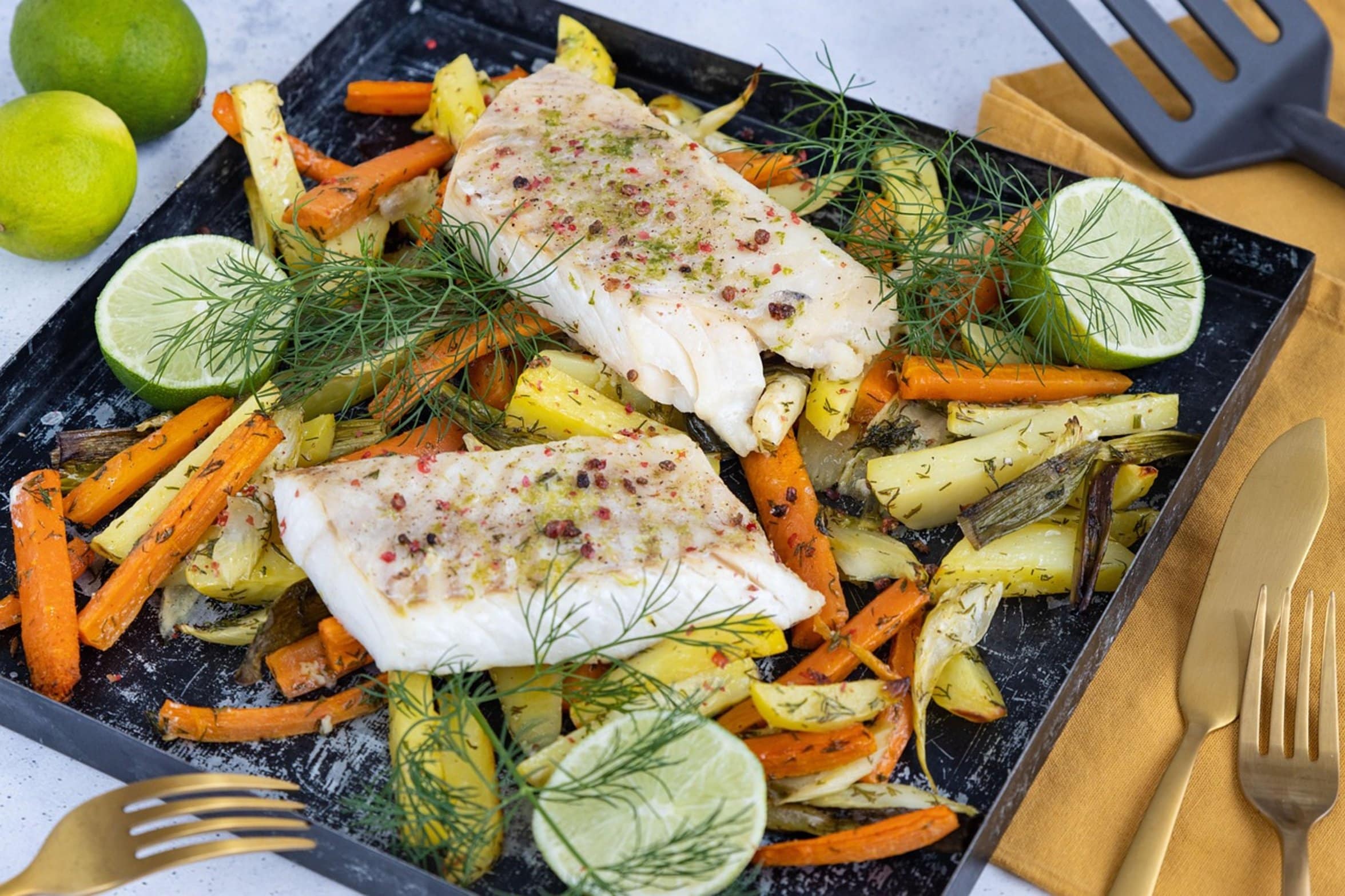
You could of had the best fillet knife on the planet, but that won’t help you when you drop that fillet back in boiling water. Choose whole or fillets. Whether your favorite way to eat panfish is whole or on a plate of fillets is up to you.
Cooked properly, whole panfish are truly beautiful. The skin is crisp and the moist flesh steams in its own juices. Fillets provide convenience and efficiency.
For cooking for large groups, fillets win hands down. You can control your portions, but you lose some of the texture of the flesh. Try neither; choose one option and stick with it.
You’ll be more frustrated if you mix them up because your results will cook unevenly.
Gutting and Preparing Whole Panfish
If you’re keeping the fish whole then gutting is essential. If you leave the entrails in then you’re cooking the guts too.
Enzymes and bile are released and the meat turns gray and bitter. How fresh the fish is doesn’t matter. When the stomach contents mingle with the flesh the flavor is shot.
Make a small incision behind the gill flaps using a sharp knife. Remove the entrails completely. Rinse the cavity with cold water.
It takes about thirty seconds, but it saves the meal.
Checking for Freshness
Freshness also matters. Because they have a greater surface area, panfish don’t keep as well as larger fish.
If the fish stinks of ammonia, it’s no good. Don’t take a chance. Toss it.
Check for cloudy eyes. Is the flesh soft? Again, toss it.
What you’re looking for is bright, clear eyes. When you push on the flesh, it should bounce right back into place. If it remains indented, it’s gone too long.
Mastering Cooking Temperature

Keeping it simple doesn’t mean using basic ingredients. Most folks mess up on cooking temp. Don’t cook it over high heat.
That is what happens, you sear the outside but don’t cook through the middle. You also run the risk of ruining the soft feel of the meat. Cook it at medium temp.
A good, heavy pan like a cast iron skillet works best. Put some butter or oil in the pan and get it nice and hot. Gently slide your fish into the pan.
When it hits the pan listen. Sizzle? Perfect.
That’s a medium heat. Too much heat and it will scream. Too low and it will just steam.
Medium heat is a nice, steady sizzle so all the protein coagulates in an even manner. No tears, no holes. Let it sit and cook on each side three to four minutes.
Seasoning and Battering Tips
Keep the seasoning simple and deliberate. Panfish are sweet; too much spice will overpower their taste. Remember they’re not as strong as trout or as gamy as catfish.
Just some black pepper and salt will do. Add lemon slices (or even squeeze some on) at serving time to brighten the flavor. Use a light batter if any.
Flour and cornmeal mixed together is good. Don’t let the fish go into the batter more than once. A thin coat is all that’s necessary.
Thick batters don’t let the skin crisp up. Contrast in texture is what we want, not a wall of starch.
Plating and Presentation
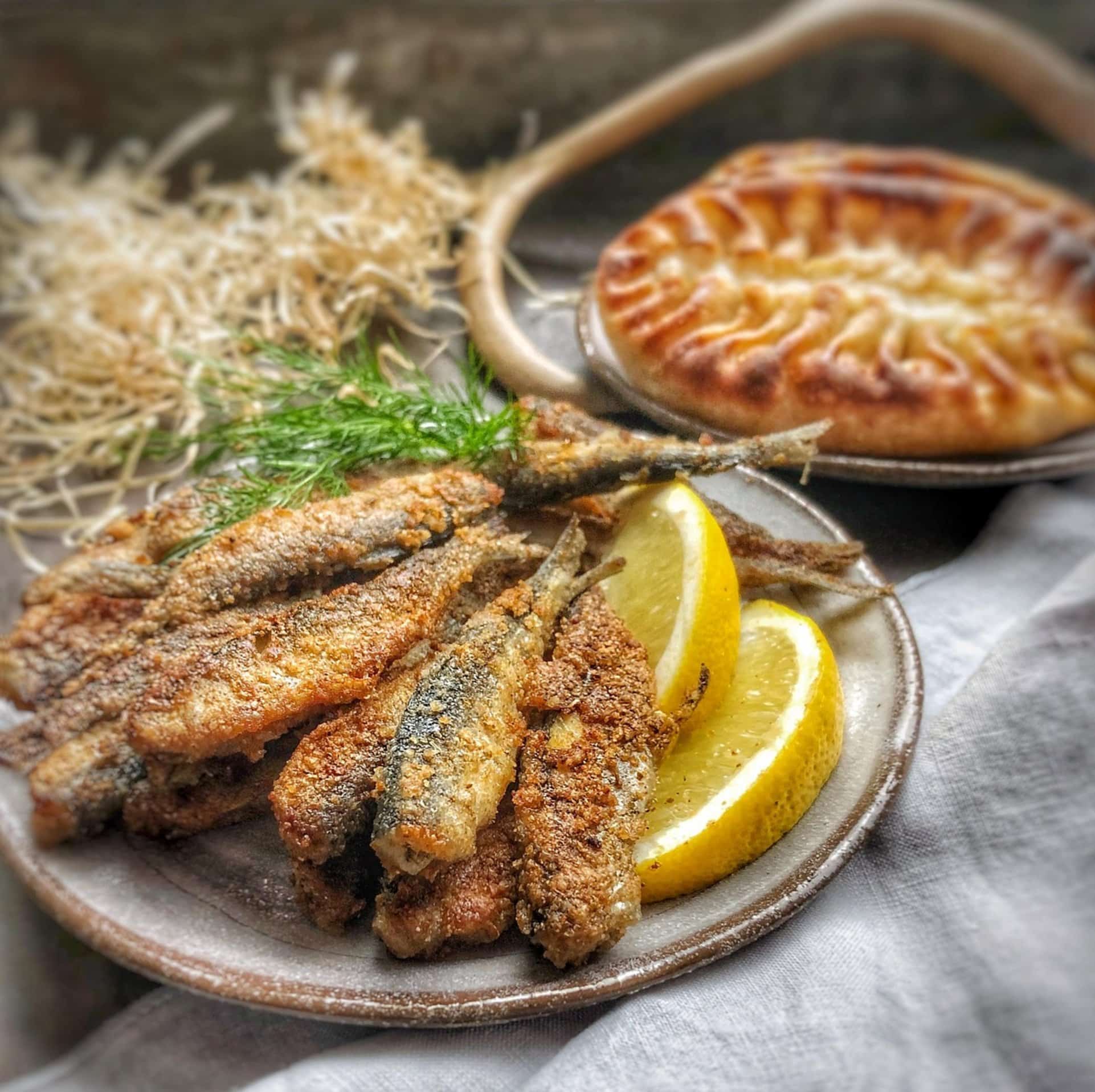
The rest is presentation.
Panfish are small. Don’t overfill the plate. Use two to three fillet per serving.
Add a wedge of lemon and some fresh herbs for garnish. Tastes better; looks better. It sets expectations on what they’re going to see.
And it looks like you cared. Panfish should be cared for. Panfish are delicate creatures; they can be ruined.
They can be served cold; they can be overcooked; they can be underseasoned. But when you get it right there’s something satisfying about it. You feel proud putting some flaky, clean-tasting sunfish on your table.
Something rewarding about all the care put into making it just so.” When you head out to the pond the next time, keep the heat in mind. Make it simple. Keep things at a medium level.
Let those fish shine.