Catching crappie doesn’t have to cost a fortune Sure, catching crappie take some precision and patience. But it doesn’t take fancy equipment. A lot of guys gets intimidated at tackle store because there is so many choices.
With nothing more than basic rod and reels, you can stuff a live well full of fish. You simply need to know what work best for putting them in boat. Don’t fall into common beginner trap of purchasing your set-up because it’s the most powerful.
Simple Guide to Matching Crappie Rod and Reel
The Myth of Fancy Crappie Gear
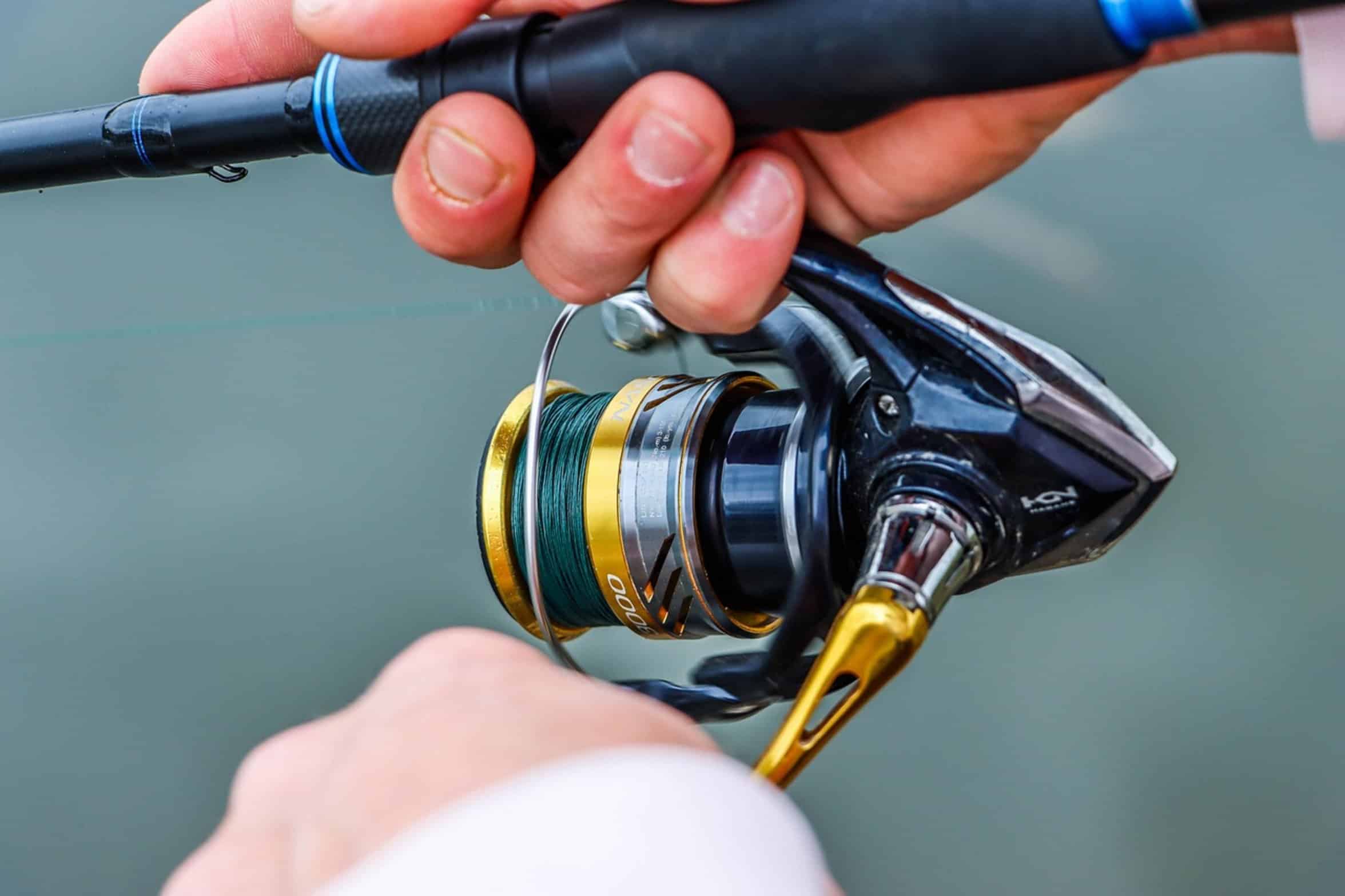
Crappie is elusive, lightweight critters. They don’t pull hard like pike or even bass. The subtle tap indicating they’ve taken your bait will be lost to you if you’re fishing with heavy rod.
Your crappie set-up must be sensitive and balanced. That means getting past the marketing jargon and concentrating on the mechanical detail. Action is key.
Choosing the Right Rod Action
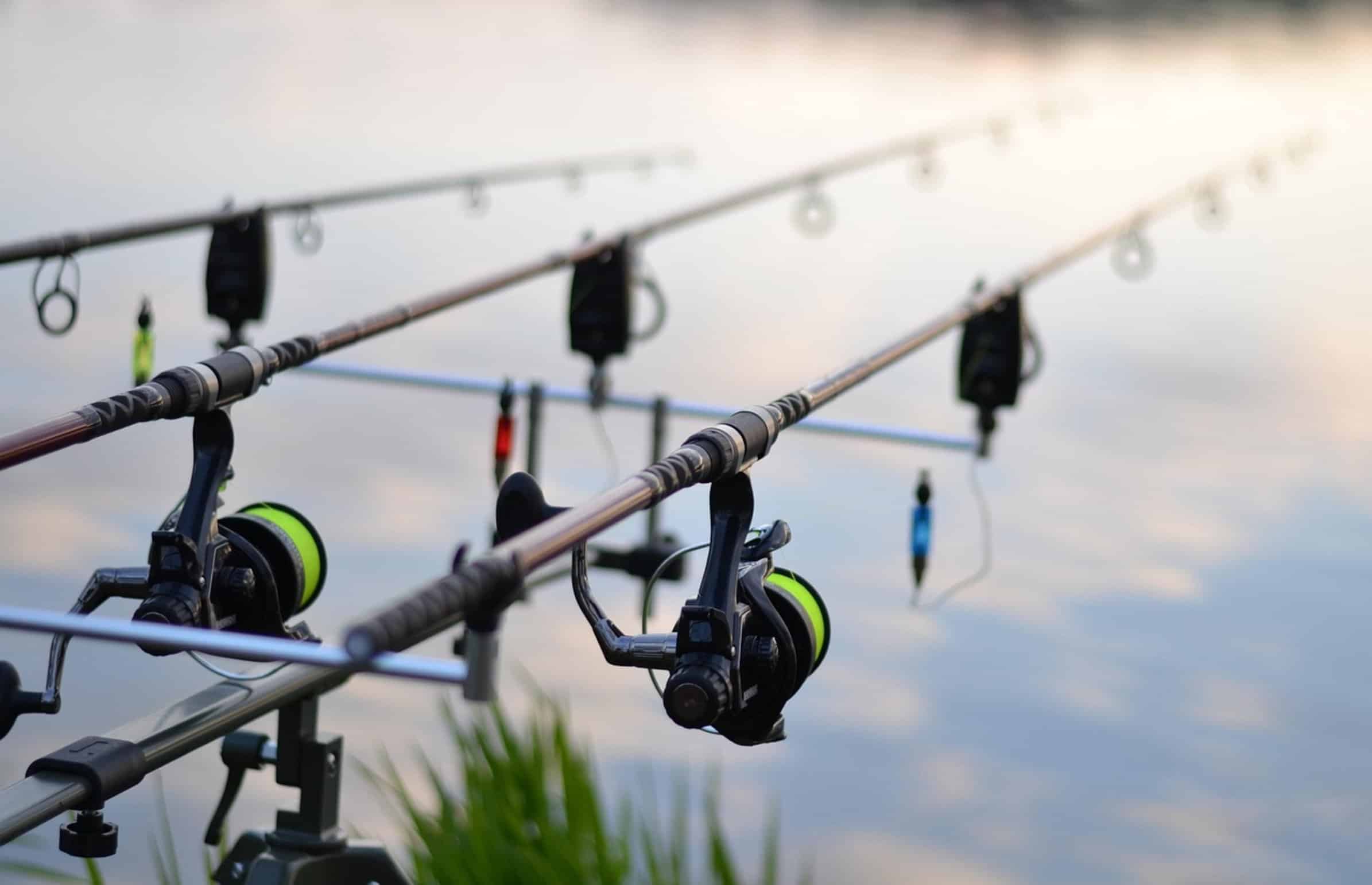
For the best value, go with a rod labeled for 2- to 6-pound test line. That’s a nice sweet spot where you’ll get some sensitivity without sacrificing toughness. Seek out a rod with fast or extra-fast tip.
That means the tip will be stiff enough to drive the hook in but still bend so you can feel very slight vibration. Anything stiffer than medium-heavy can make it difficult to pick up on a tentative bite.
Selecting the Correct Reel Ratio
The reel have a moderate retrieve ratio.
Crappie will hold around bottom. So, you want to show them lure slowly. A slower retrieve speed on your reel keep it in the strike zone.
This prevents you from fishing bait too fast.
Spinning Reels for Beginners
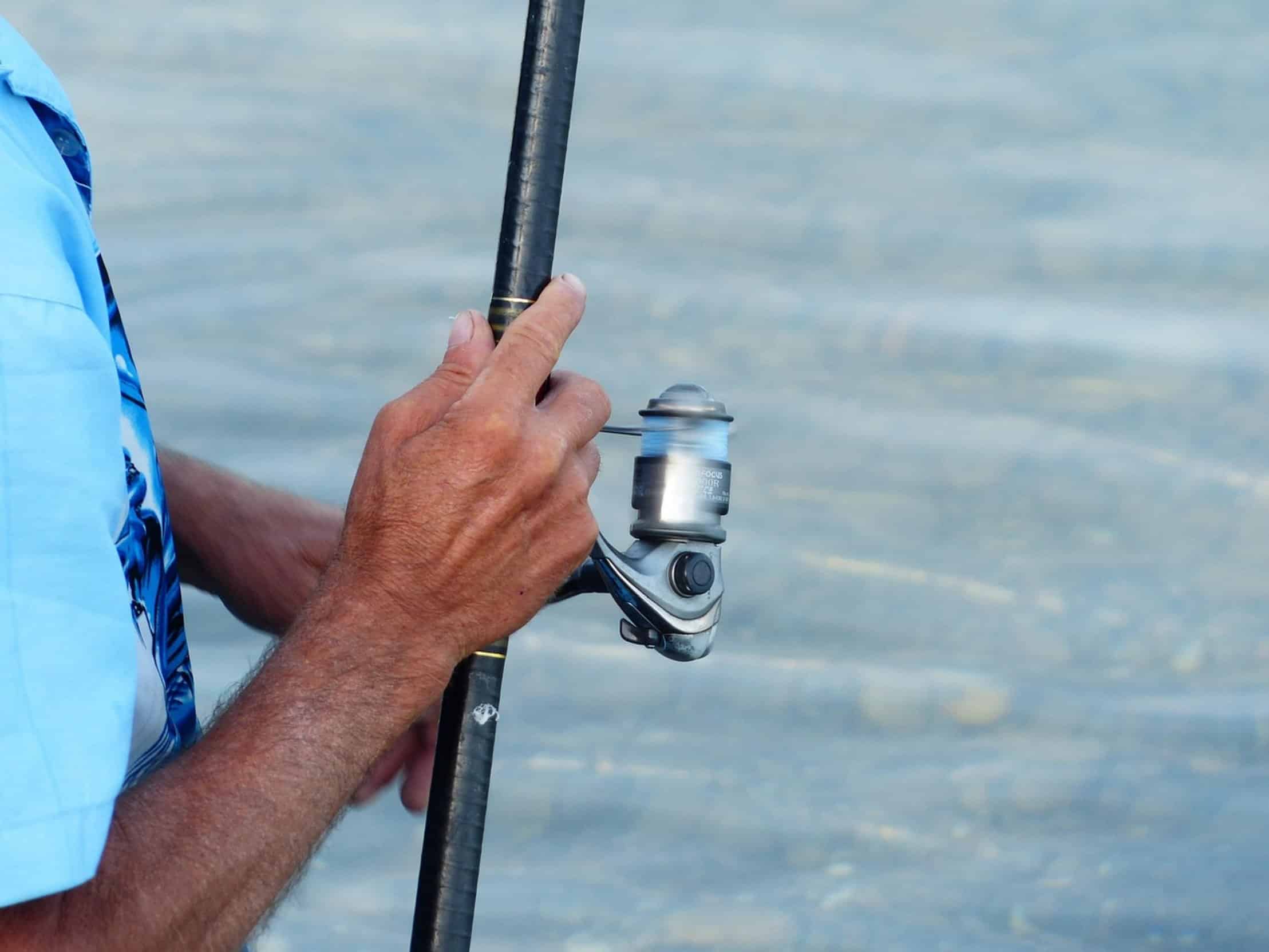
Beginners should of start out with a spinning reel. The spinning reels casts light jigs well.
And they cause less line twist than a baitcaster. There is some very simple spinning reels made by Shakespeare and Ugly Stik that is a good value.
Best Line Type for Crappie
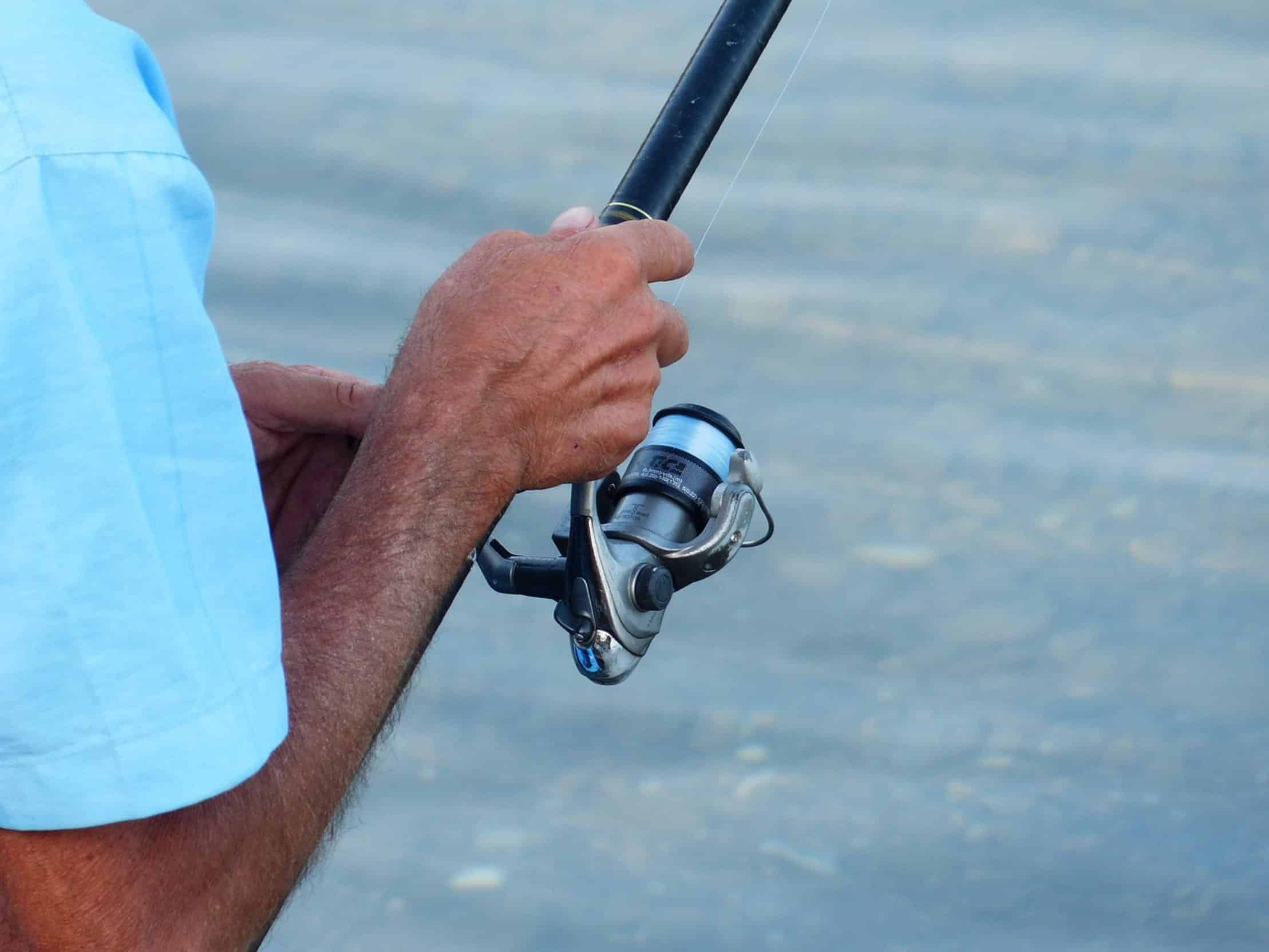
The type of line you use matter a lot.
For instance, braided line are strong, but it will spook crappie in clear water. Monofilament line stretch. And that stretch is like a shock absorber for the hook.
When fish darts off, it keeps the hook from pulling loose. Try six-pound test monofilament line. It’s thin enough to almost dissapears.
But it’s strong enough to hold big crappie.
Balancing Rod and Reel Investment
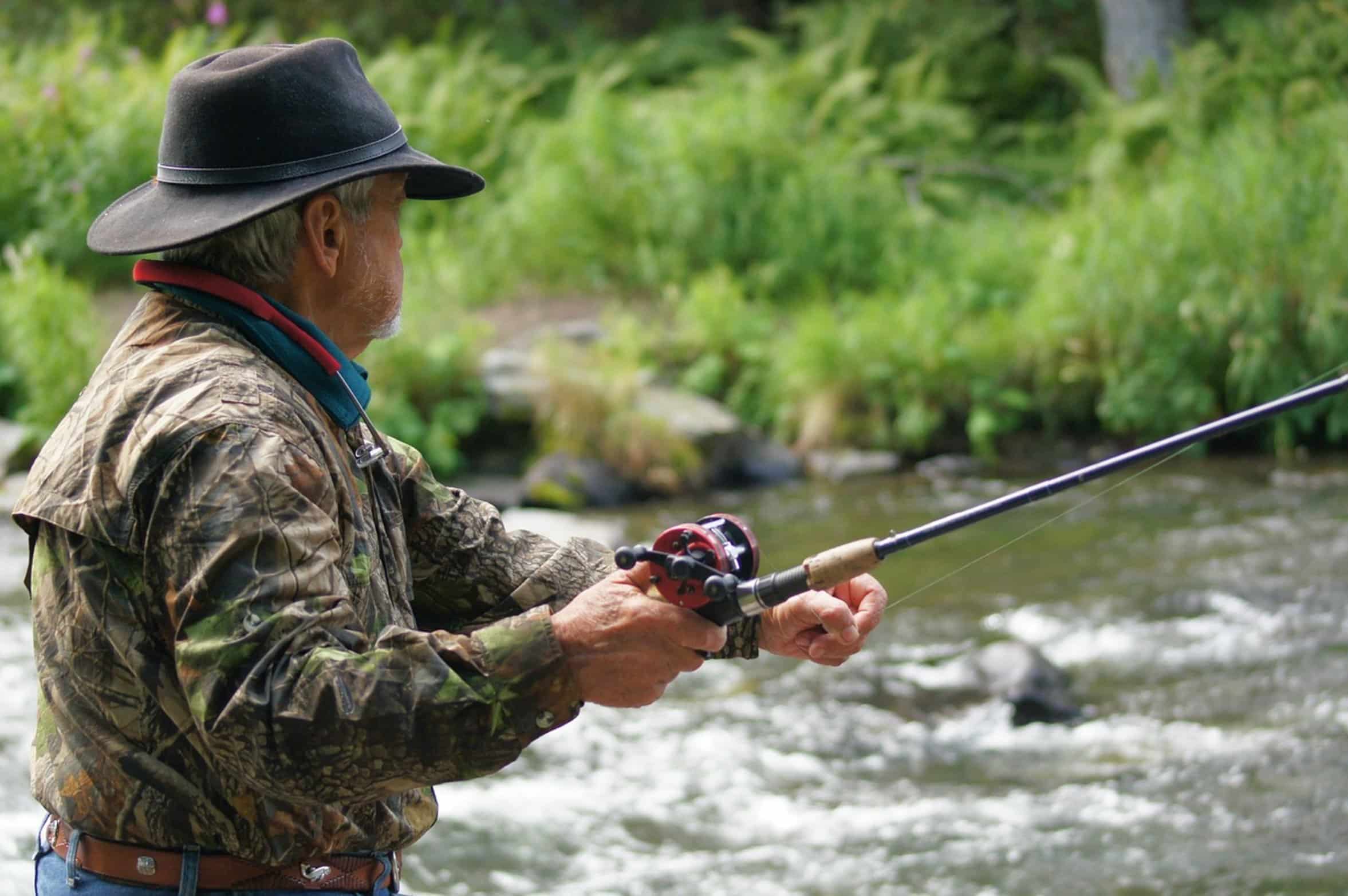
Invest More in Your Reel Than Your Rod Rods is durable and less prone to internal failure. You can get away with spending $50 on your rod when you’re fishing for panfish.
A $200 rod doesn’t work much better either. The reels has internal components that fails over time. Investing in a reliable reel with a smooth drag ensure you won’t lose fish due to mechanical failure.
Shakespeare, Piscifun or any of those brands makes great reels with good internals but at more cheaper price.
Testing for Comfort and Fit
Comfort is key. Don’t get tired holding heavy rod.
If your reel bind or makes clicking noises, it won’t give you much confidence. Pick up the rod and hold it by the reel seat. How does it balance?
Does it feel naturaly in your hand? Testing this will help you steer clear of cumbersome equipment.
Summary of Effective Crappie Setup
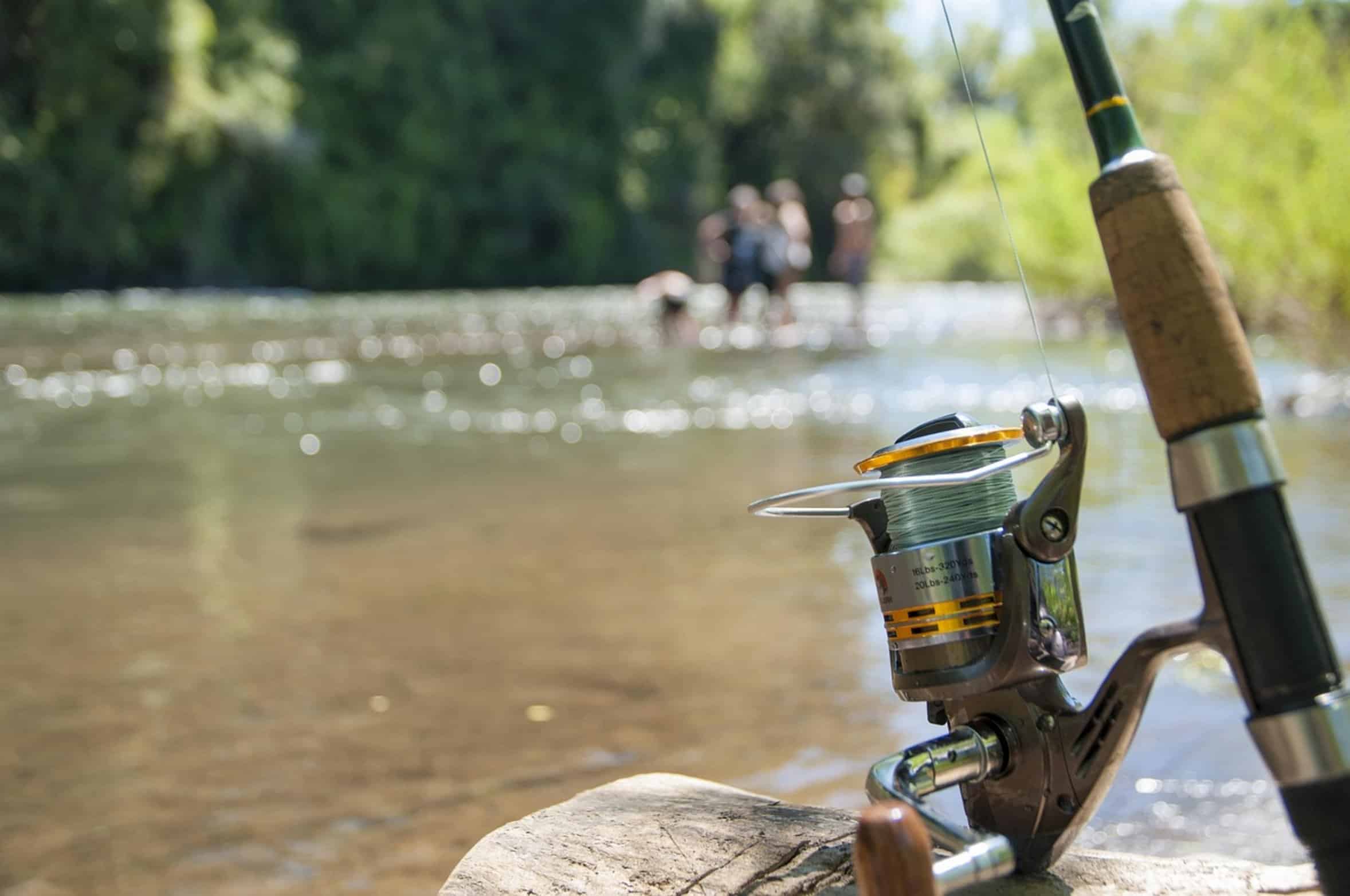
You don’t need to take out a bank loan to match a crappie rod and reel.
All it take is some care regarding sensitivity. An effective combo use monofilament line, a moderate-ratio spinning reel and a light-action rod. It set the hook and alerts you when a bite occur.
Your wallet stays in your pocket. The fish won’t care how much you spent, they’ll only care what you do.