Panfish sounds more like a dish to serve than a group of related animals. In fishing magazines and around tackle shops, that’s how most people encounter the word. It is usually accompanied by photos of humble crappie nets and, one imagines, golden fillet fresh from the frying pan.
There’s an implied idea of size here, too, along with a particular type of catch and release ethic. But things aren’t so clean-cut as that label might imply. Understanding who counts as a panfish can show us what kind of expectations we should has about catching and conserving them.
This can explain why some fish is lumped together while others are still seen only as game fish in our minds. And it can help us know which baits and tackle to use. Typically, our mess comes from our own classification of fish, fishing convenience not scientific order.
For anglers, we lump fish into categories based off what gear is needed and the skill level it offers. We have panfish somewhere between small minnows and big bass. These creature will test your tackle, yet they are large enough to put on your dinner plate.
Their practical classification gives freshwater fishing another unique niche. Get this one figured out and you’ll fish differently. The other pillar species within the panfish genre is the sunfish family.
Understanding What Actually Counts As Panfish
The Sunfish Family: Bluegill and Redear
These include redear, pumpkinseed, bluegill, and more. They all have a back fin covered in spines, which is why they are called “sun”fish. The fin not only helps to deter bigger predators but also provides the angler a unique feel as it takes hold of the hook.
That tell-tale sign is when your line tightens up and pulls steadily like you’re playing a drum. An easy-to-catch fish, sunfish live throughout most all North American waters from lakes to ponds. They are at home in shallow water loaded with vegetation where they can pick off tiny crustaceans and insects.
Because they are so plentiful, they serves as the go-to quarry of both novice and experienced anglers. These are panfish, game fish, and crappie. It is hard to categorize crappie.
Crappie: Panfish or Game Fish?
Are they panfish? Are they game fish? White crappie and black crappie is silver and slim with no deep sunfish-like body.
In the spring they form tight schools under submerged structure. With small jigs and light lines, many fisherman view crappie as panfish. Yet when you eat crappie, some say they taste like bass, while others say they taste more like catfish.
Where does that put it? How do we classify it? Does it fall into different categories than sunfish in certain states?
Maybe so. Perhaps there are more strict crappie-only slot regulations or size limits. That could impact your daily bag limit and also the ethics of releasing a fish versus keeping one.
The name panfish suggests these fish fit in a pan. It’s true with the small crappie and sunfish. A normal sized bluegill will be between six and ten inches.
Cooking Panfish Whole and Fried
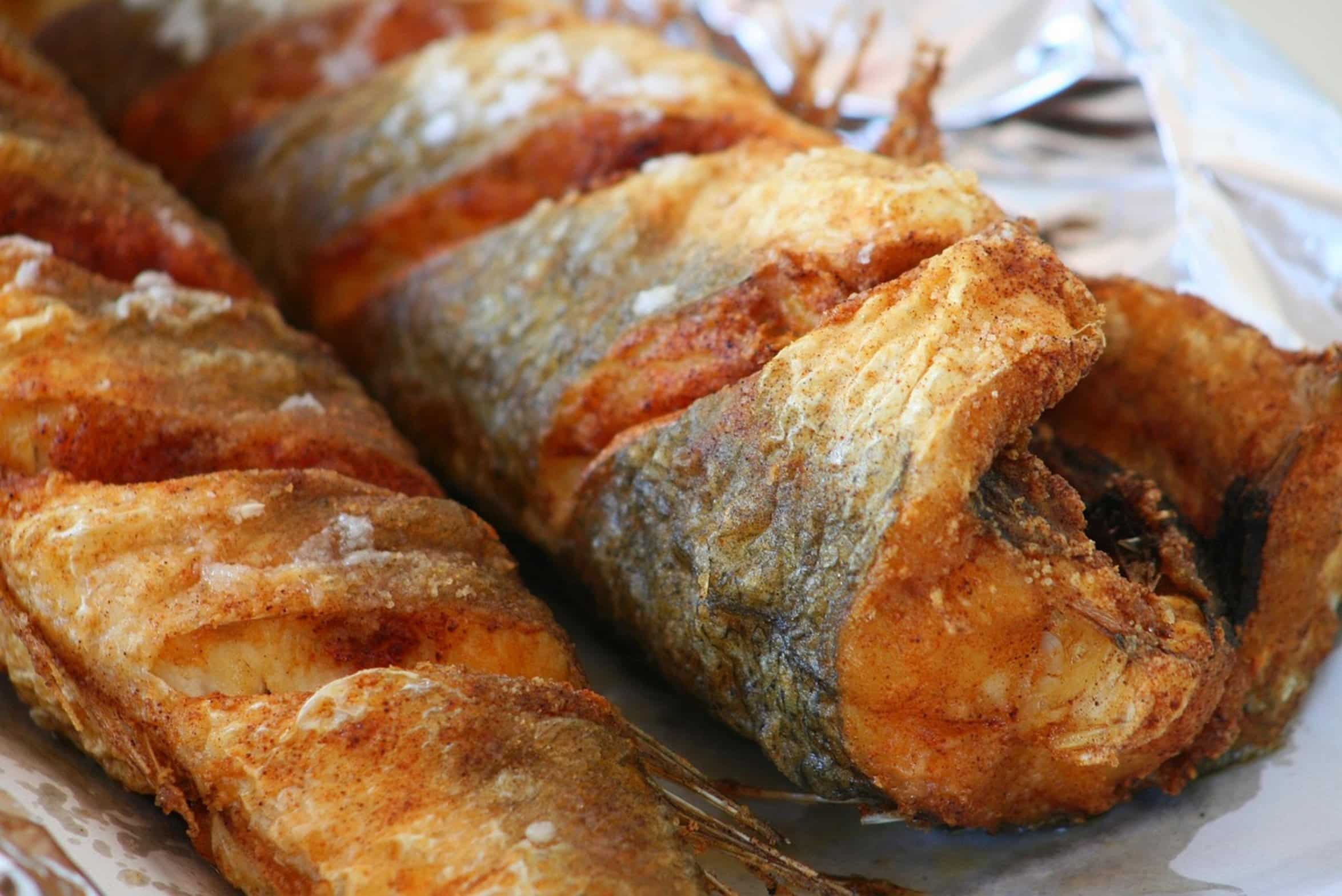
A regular old skillet is full if you put two or three of ’em in there. Those dimensions play into their cooking methods. If your fish is only four inches long it’s not so easy to fillet.
Most anglers typically clean and fry them whole. Skin-on is how most people like ’em. The bones get crisp and can be eaten too.
Not many other fish that big would of been cooked that way. Filleting is needed for larger sizes. And time in the frying pan changes.
Kitchen planning has as much to do with the panfish name as the pressure from anglers. This size reality is reflected in the gear you choose as well. Thick braided line and heavy rods is unnecessary when it comes to panfish.
Light Tackle and Gear Setup
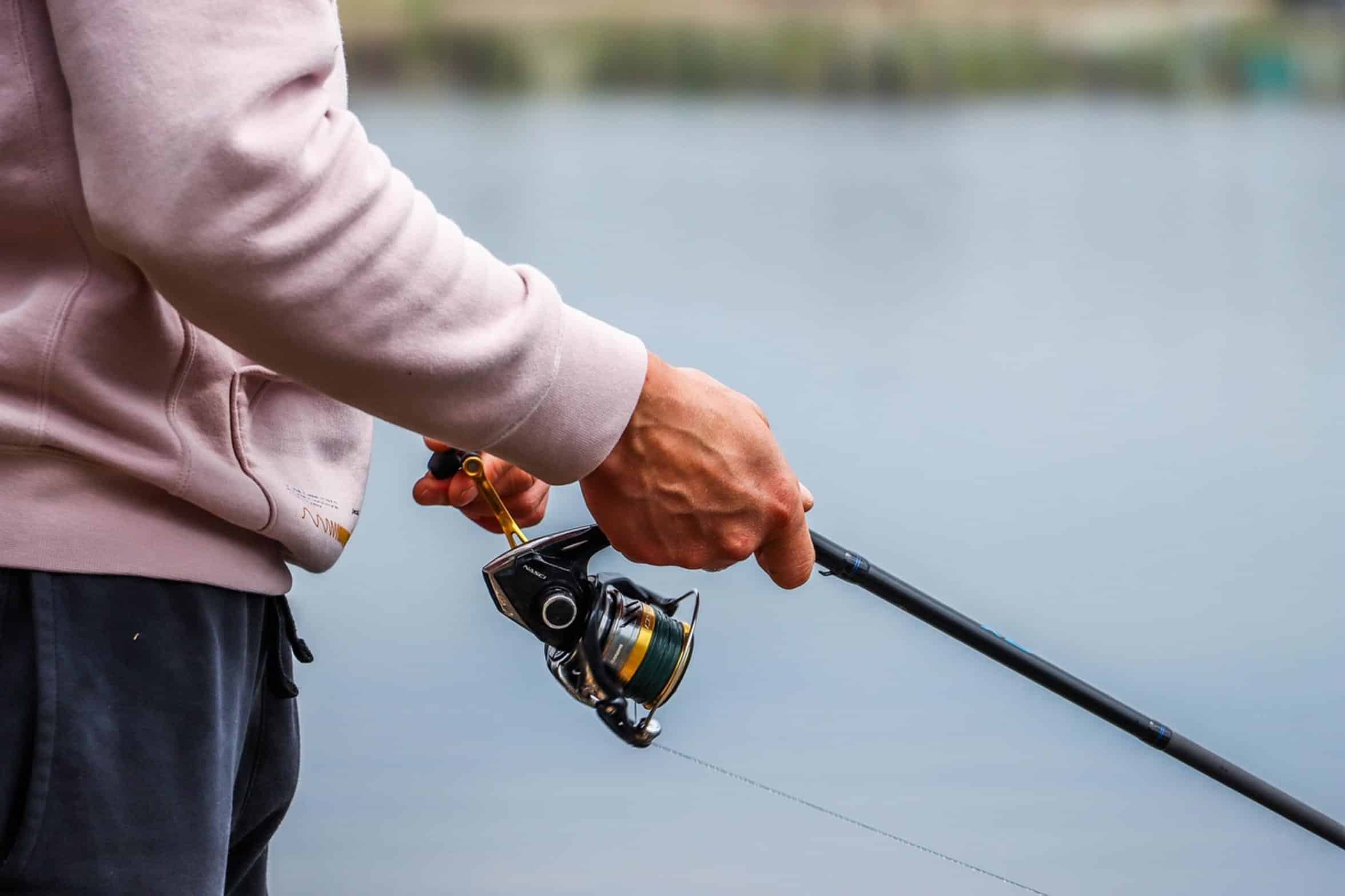
Not only does heavy gear tend to spook them but it is not necessary. Four-pound test line and a light spinning rod are the norm. You can feel that subtle bite on the sensitive rod tip.
Most of the time they don’t slam the lure aggressively like a bass would. They sip at it. They nibble.
They gently suck the bait in. If you have a stiff rod, all those nuances gets masked. Not only will this greatly raise your hook-up ratio, but it will also make the fight much more fun.
You don’t want the fish to completely pull line off the reel or bend the rod too far back. Just enough so it feels good. To conclude, The category covers a wide range of conservation statuses.
Conservation and Catch Release Ethics
Some species has been stocked heavily and their population flourishes as a result. Other species suffer from habitat loss and/or pollution. For instance, the redear sunfish lives in clear water over rock bottom.
Unlike bluegills it’s not nearly as forgiving of muddy water. Because these fish are so readily available, their local stocks can be depleted rapidly through overfishing. Fortunately, healthy numbers can be maintained by catch and release practices.
Keep only what you need. That way others who come along after you will get a chance to experience the same bounty. But what’s a panfish?
Why Panfish Fishing Is Satisfying
There’s no strict science here. It’s a definition based off experience. It is something we all have in common.
It is a convenience category. One part tradition, one part practicality. It could be crappie or sunfish.
It could be a big river or a backyard pond. It doesn’t matter. The rules of engagement are the same: Light tackle.
Structure. There are limits. The category simplifies things, both your tackle box as well as your approach.
But the fun part is the catch. You feel that persistent pull on a feather-light line. You will know everything you need to know in that moment.
You’re in it for the classic freshwater experience. It is straightforward, dependable, and oh so satisfying.