There have been many times you’ve stood out there with your hands full of muddy water and a lifeless string dangling before you. You cast repeatedly, waiting for that solid bite, but nothing happen. But more often than not it’s because you made a simple mistake…
You’re fishing the wrong jig. Panfish is highly visual and have definite preferences. If they don’t see a bait moving like one of their natural foods, it doesn’t gets looked at.
Selecting a jig isn’t random. You select a jig based off the current water conditions and what the natural forage base are for those panfish. You will inevitabley get bit when you pick the proper tool.
Best Jigs To Catch More Panfish
The Versatility of Curly Tail Grubs
Hands down, however, the curly tail grub is still undisputed king of panfish jigs. This lure has been dominating tackle boxes for decades because it work just about anywhere. The soft plastic body move with even the slightest movement.
Whether it looks like a struggling insect or a wounded baitfish, it trigger the predatory instincts of crappie and bluegill immediately. Curly tails don’t require fancy techniques. You can simply drop and retrieve them.
Just get it all the way to the bottom, raise it up a bit and then allow it to fall back down. That little pause will give fish time to commit to the bite. Most guys reels the bait too quickly.
Take your time, and let it work for you.
Using Spinnerbaits for Active Sunfish
Panfish anglers tend to give spinnerbaits a bad reputation. They think it’s strictly a bass fishing deal.
But that’s a big no-no. Little spinnerbait can be devastating on active sunfish. That flash of that blade gets their attention from a long ways away and then the skirt provide a target for the strike.
It’s perfect for dirty water when they can’t see very well. The blade sends out more vibration and sound different than what they can see. The fish feel this thing coming long before they ever see it.
You’ll want that little willow or wire blade that gives off a quiet presentation. Keep your retrieve consistent and just a bit quicker then what you’d work a curly tail. With the spinnerbait, the fish has to react fast.
Jerkbaits for Deep Water Suspended Fish
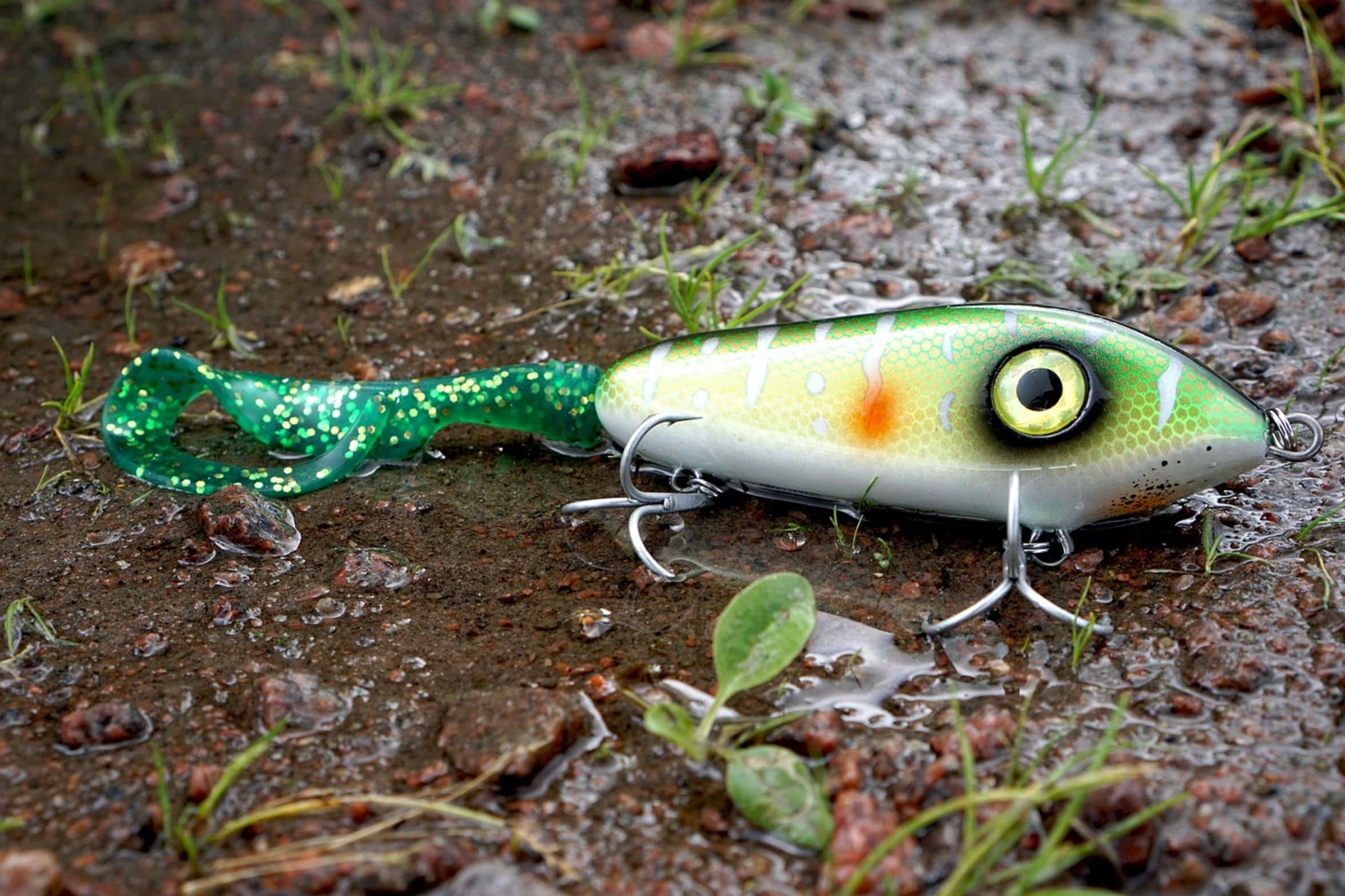
Another benefit of using jerkbaits are their ability to locate suspended, deep-water fish. You can trigger reaction strikes and cover water effectively with a small hard-body jerkbait. They imitate fleeing minnows or shad, making them an irresistible offering for larger panfish holding in the open water column.
Remember that the retrieval pattern is key here. A twitch and a pause of your rod tip. Many fish actualy hit on the pause.
It’s a method that takes some patience but again, that will separate the schoolers from the big ones. It turns a passive drift into an active hunt. You have total command over action and depth of the lure.
Ned Rig for Finesse Panfish Fishing
In recent years, the Ned rig has made quite a splash in the world of finesse fishing. It was intended for bass fishing but has proven to be extremely effective for pressured panfish. Because the weight is part of the head, it fall naturally and appears to be something that simply cannot be refused.
The lack of surface area catch little, if any, debris as this low-profile worm glides along the bottom. The beauty of this rig is that it’s a perfect match for structure or heavy cover. You can fish around brush piles or submerged timber without fear of hang-ups because it’s weedless.
It’s also very subtle and not threatening to a wary fish. If you’re having trouble getting bites, try using the Ned rig. Sometimes it would of catch fish where other lures fail.
Choosing Bait Colors Based on Water Clarity
Water clarity determine color choice. For clear water, choose natural colors such as pumpkin or watermelon. They match the surrounding environment and make the bait look more believable.
For dirty or stained water, go bold with something loud like pink or chartreuse. The color help the fish find your offering faster. This choice isn’t as complicated as you might think.
Go with something natural. Change to a dark profile such as black and blue if you’re getting looks but not bites. Use bright if the water’s dirty.
Adapting Your Strategy to Catch More

Theories are best left to observation. Watch how the fish react to your initial presentation and adjust accordingly. Adapt the jig to the current.
A slow start can become a productive session if you get the right jig. It’s all about showing them what they want when they want it. Set the bar first with a curly tail grub.
Add some flash by testing spinnerbaits. Throw in a little depth by working with jerkbaits. Listen to the fish and the water.
Adjust your gear accordingly and see how well your catch rate match your prep.