It’s frustrating for an angler to see a school of crappie suspended in clear water, cast over them and not get bit. You know you’re at the right depth. You know you’re in the right area.
Heck, you know it’s the right time of day. But there has to be something different about what you’re doing. Most times, that’s because you’re using the wrong tool to present the bait.
Crappie are finicky by nature, and they react to very small things that most anglers don’t pick up on. Matching the color to the water is only half of the deal in selecting the proper jig head. Matching the presentation is the other part.
How does the bait swim up and down through the water column? Does it sink too quickly? Too slowly?
Does it roll over on its side? All of these factors are based off your choice of jig head (the hook gap), the eye position and the weight distribution. Get the hardware wrong, get the presentation wrong.
Get the hardware right, get the presentation right. Jig heads is generic accessories to most anglers. Pick a few out of the bucket, cross your fingers and go for it.
That changes when you are trying to catch a bunch of tight-lipped fish or when you find yourself fishing around precise structure. Then you become familiar with the science behind a jig head. From there, you control the action, not guess at it.
And that’s what turns a mediocre day into a limit bucket.
Essential Tips for Choosing Crappie Jig Heads
Eye Position and Alignment
You have to look at where the eye is located on the jig head. Wherever your eye is located on a jig head determines if the hook is perpendicular to the shank of the hook or not.
The way the eye is located on the jig head should make the bait fall naturaly. When reeled in, it should swim straight. A bad eye location, or one that is crooked, can cause the jig to tip over while falling to the bottom.
That puts the hook point too high or too low, which makes it hard to set the hook cleanly. It also makes the bait swim unnaturally and crappie won’t buy into it. A lot of inexpensive jig heads have their eyes positioned either too far back or forward on the head.
That causes your soft plastic to twist in the water. Simply hold the jig by its hook bend and let it fall in a bucket of water. You’ll know immediately if the eyes are aligned properly.
A good quality jig head like those from Berkley and Zoom is made with this in mind. They is designed to keep the bait upright for a more realistic presentation each time you make a cast.
Weight Distribution and Fall Rate
Choosing the right weight for a jig isn’t simply a matter of reaching bottom. You’re also fishing the swimming action and the fall rate.
Often crappie will be feeding with their mouth partly open, prepared to suck in whatever comes by. Slowly falling jigs give the fish time to follow and respond to the bait.
Quickly plummeting heavy jig completely miss the reaction zone. You want to use the lightest weight you can get to reach your desired depth at your casting distance. Many guys overcompensate and go too big.
They want that thing down and add weight without thinking about how they are robbing their bait of any action. Yes, a 1/16 ounce will sink quicker then a 1/64 ounce, but you have to move your rod a lot more to maintain its position in the strike zone. When you’re fishing up off the bottom, or in shallow areas a lighter weight is nearly always better.
It gives the bait time to fall and dance and flutter on the way down and triggers those natural instincts in the wary fish.
Jig Head Shape and Action
A jig head’s shape affects its behavior in the water. For example, bullet heads are a favorite because of their streamlined form that helps them cast far.
They’ll slice through the water cleanly, so you can fish them in current or cover water fast. But because they tend to sink straight down, this can appear artificial to wary crappie. The Jitterbug has a flat face that makes the jig flutter and dart around as it descends.
It mimics a fleeing shrimp or injured baitfish. It works really well if fish are scattered, or the water is stained. The downside of this is that you can’t throw a jitterbug head as far as you can a bullet head.
A Jitterbug catches the wind. So you’re going to have to sacrifice something. Do you want the action, or do you want to be able to make long casts out into the lake?
Bullet head for long casts, jitterbug for vertical work and short casts into cover.
Hook Size, Gap, and Quality
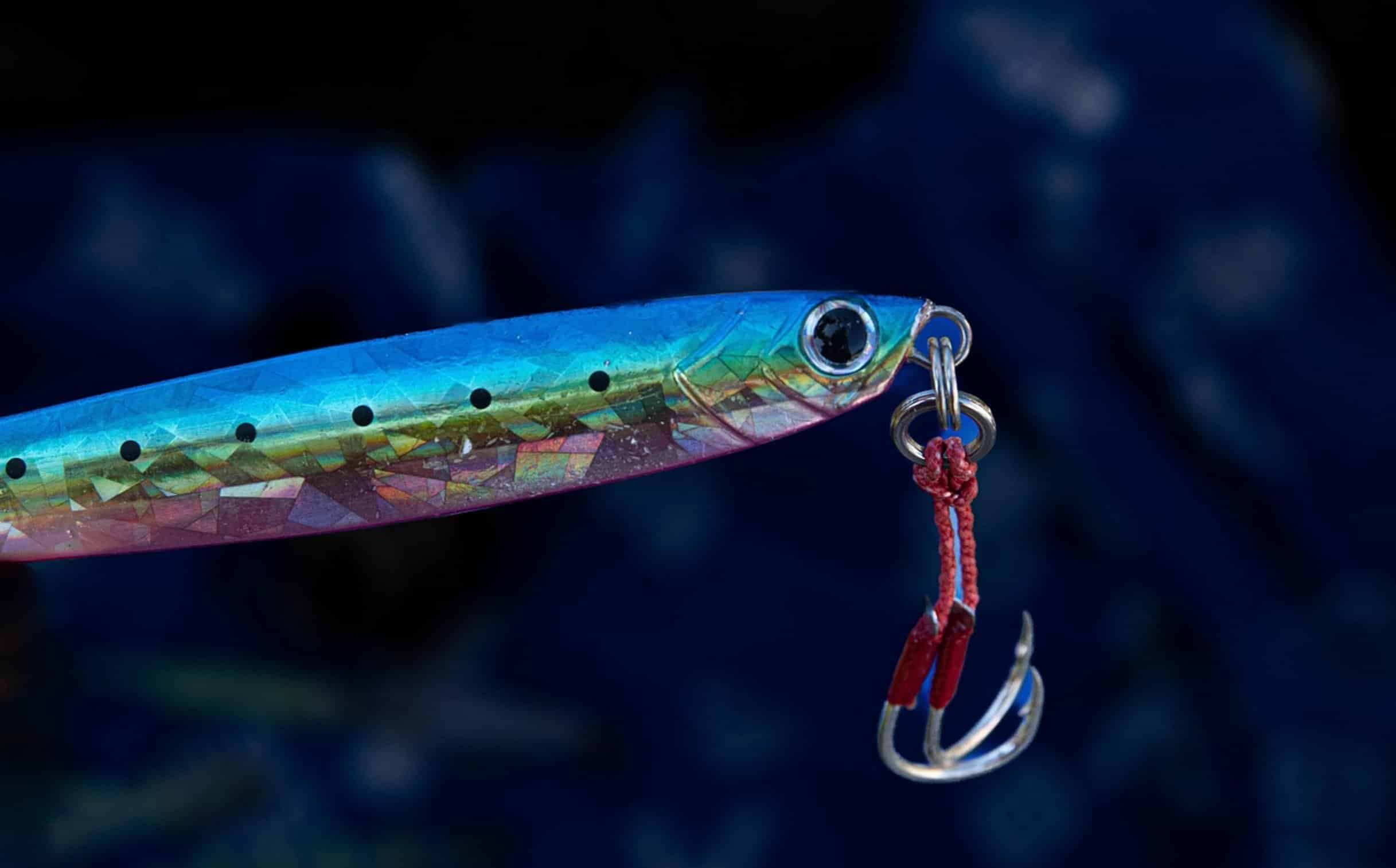
The size of your hook should also reflect the type of soft plastic bait you’re throwing. Using too big of a hook for a small minnow makes it look weird and will spook fish.
Using too small of a hook on a large crawdad means you’ll get some bad hookups because the point won’t dig far enough into the plastic. As a general rule of thumb, use a hook that’s as long as your plastic’s body length. So if you have a three-inch minnow you’d want a three-inch hook.
Finally, pay attention to the distance between the hook point and shank. If the gap is large enough, it will let the hook turn over and get a solid bite. If it’s too small, lifting on the rod may cause that hook to fold up or miss its penetration.
Hooks comes in various sizes, weights and even gaps made specifically for certain uses. For example, both Mustad and Owner make hooks tailored for their products. Don’t assume all hooks of the same weight is created equal.
Hook point sharpness and metal quality impacts hook-up ratios as well. No matter how good the presentation, a dull hook is a lost fish.
Color Selection for Water Conditions
When choosing a color, we tend to get carried away with it, but there are some commonsense rules of thumb. For clear water, stick with natural colors like silver, pearl and chartreuse. These mimic the food that crappie eat. For dirty water, use high-contrast colors such as blue, black and orange.
This allows the fish to better distinguish the bait from the surroundings. Many anglers prefer black and blue in lowlight conditions. The idea here is that the darker colors makes the bait’s silhouette easier for the fish to see against the lighter sky above.
Don’t randomly switch colors every hour. Choose a color that best matches the water conditions and commit to it for at least half an hour. If you’re not getting bit, don’t change the color; change the retrieve speed or technique.
Color is far less important than the presentation. A poor retrieve won’t be salvaged by a good color. A good retrieve will make a so-so color look awesome.
Material, Finish, and Brand Quality
Action and durability depend on material and finish Brass weighs more and sinks quicker than lead. It’s also harder and resists corrosion well. If you throw it among rocks, it will last longer because it won’t deform like lead.
It maintains its shape well. Finish makes a difference too. The finish, whether painted or plain, can add flash.
Painted has flash which attracts fish from further away. Plain gives off a more natural look. Matte finish looks more natural.
Pick that up depending on how clear the water is and what the fish want. Quality depends on brand reputation. Strike King, Berkley and Zoom Bait put money into research and development.
The performance and durability of their jig heads are thoroughly tested. Generic jig heads from discount stores typically has dull hooks and eyes that don’t align well. They’re brittle and inconsistent performers.
Quality equipment pays off over time. You spend more time fishing and less time re-tying your jig. Check out our full line-up of Strike King jigheads here.
The last ingredient is practice. If you don’t know how to work a jig head, even the best one won’t work for you. Experiment with different retrieves.
Try a fluttering action, a pause-and-drop technique, and a steady retrieve. What makes the fish tick? Pay attention to the fall of the jig.
Control the descent by adjusting your rod tip. The presentation makes all the difference, and mastering it turns the right jig head into a reliable tool. Little things can make all of the difference between a good day or a great day on the water.
A well-designed jig head is one of those little things that helps you. They present the bait naturaly. Sink it at the proper rate.
And hook the fish solidly. Seeing jig heads as precision instruments instead of interchangeable parts will also translate into more catches. The fish are already there.
You simply need to speak their language.