In clear water, you have to fish finesse and tailor the equipment to the situation. Hard water crappies see everything, won’t eat what isn’t naturaly-looking, and detect your line. For them, a lure has to dissapears; you have to feel the subtle bites in your hands.
How to Choose a Crappie Rod for Clear Water
Fishing Clear Water Tactics
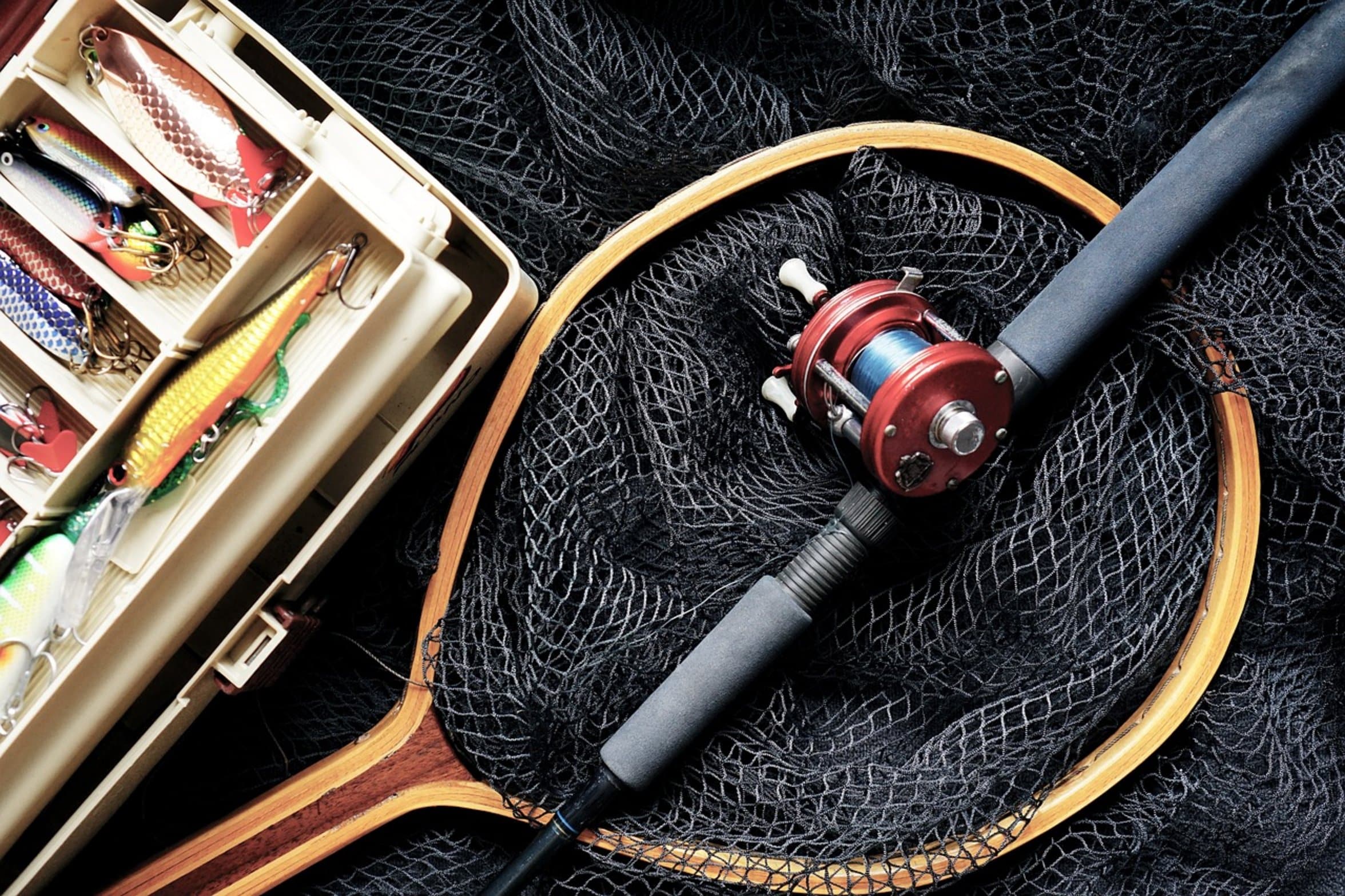
The best adjustment is the rod, not missing any chances. It provide the right balance of feel and control; you can fling a lightweight lure confidentely. A crappie rod must be an action rod; and when fishing clear water, that action need to be fast.
Choosing the Right Rod Action
That means the rod will bend primarily in the top third. It give you sensitivity to subtle taps. It also maintains stiffness down toward your reel seat to set hooks with authority.
If you have a slow-action rod, the tip flexes so much, you don’t feel the bite until it’s over. You need that direct line into your brain, not a dampened echo. The graphite composition matter more here than in almost any other freshwater species.
Graphite vs Fiberglass Sensitivity
Most importantly, the graphite fibers creates increased sensitivity while the lack of vibration transference from fiberglass makes them seem lifeless. For instance, Berkley and Lew’s use high modulus graphite blanks that will transmit vibrations quite effective. When a crappie sucks in a tube jig, you can feel it in your thumb.
With that instant feedback, you’re able to set the hook sooner.
Rod Length for Crappie Fishing
Then there’s the length thing. If you fish lots of really heavy cover like thick docks and boat ramps, short rods measuring around 6 feet has great control capabilities.
It will also be easy to fish vertically near any type of structure. But on the flip side, those extra inches will allow you to throw jigs further, giving you that little bit extra so you can put them exactly where you see the school holding. Think about what kind of area you primarily fish in before making this decision.
Rod Power and Casting Weight
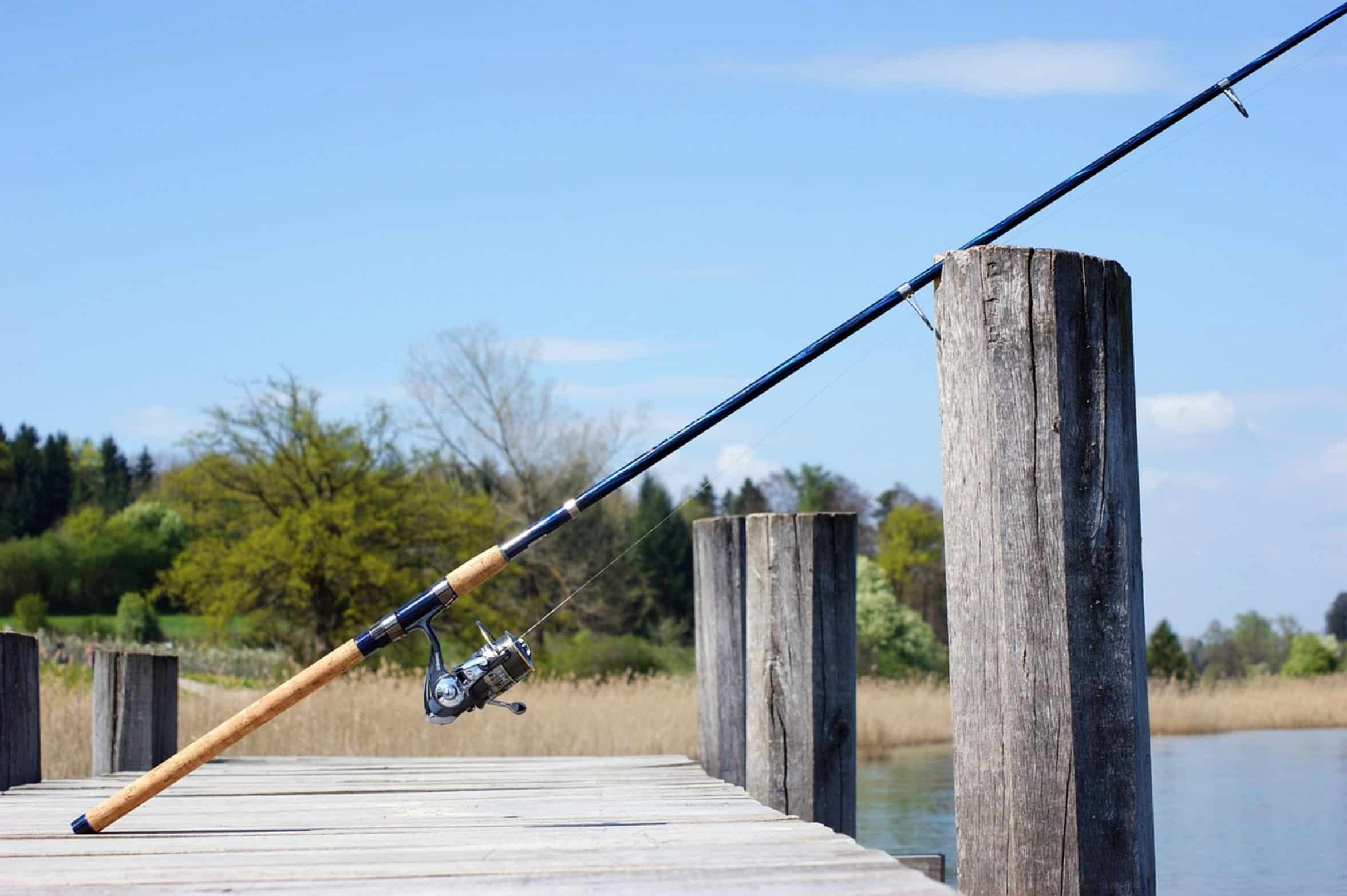
The key isn’t matching the weight of your rod based off the fish but rather what you’re going to be casting. Because those lures can be so dang lightweight (crappie jigs, tubes, etc.) they frequently comes in under an ounce. A rod rated for 1/4 to 1/2 oz are ideal.
So you’re looking at something like a 1/4 to 1/2 oz rated rod. It should loads well with a little jig, fire it out there, and not fight against itself. Any more than that and you’ll just tire yourself out and end up making bad presentations.
Handle Grip Materials
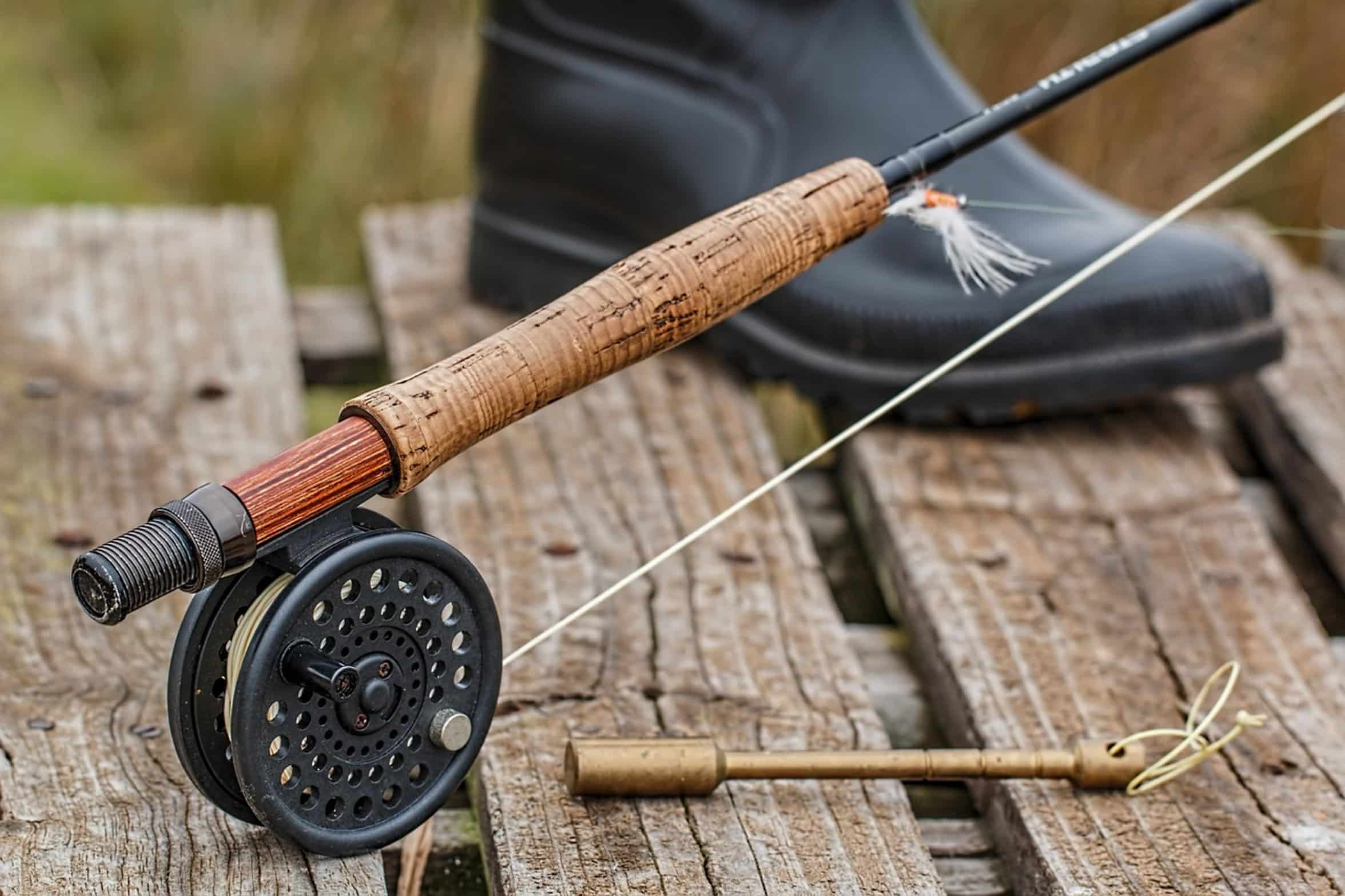
Comfortabley handles matter, Long days of fishing can take their toll. Standard grip materials are EVA foam because it is durable and lightweight. It remain comfortable even when wet.
A cork handle is a step up and a bit more luxurius with added comfort, but it needs to be maintained. Most anglers finds a good foamed handle from either Shimano or G. Loomis strike a good balance between both. Fatigue equals mistakes.
Reel Seat Compatibility
The final consideration has more to do with balance than anything else. Compatibility of the reel seat matter. Whether you fish with casting or spinning reels, your reel seat need to be compatible with way you fish.
If not, there is going to be no vibration dampening and potential damage. Tighten your gear down securely. Your reel and rod needs to become one piece.
That allows efficient energy transfer between your hand and your line. Crappie are a finicky fish. They makes hard water fishing for crappie a test of precision and patience.
Summary of Equipment Needs
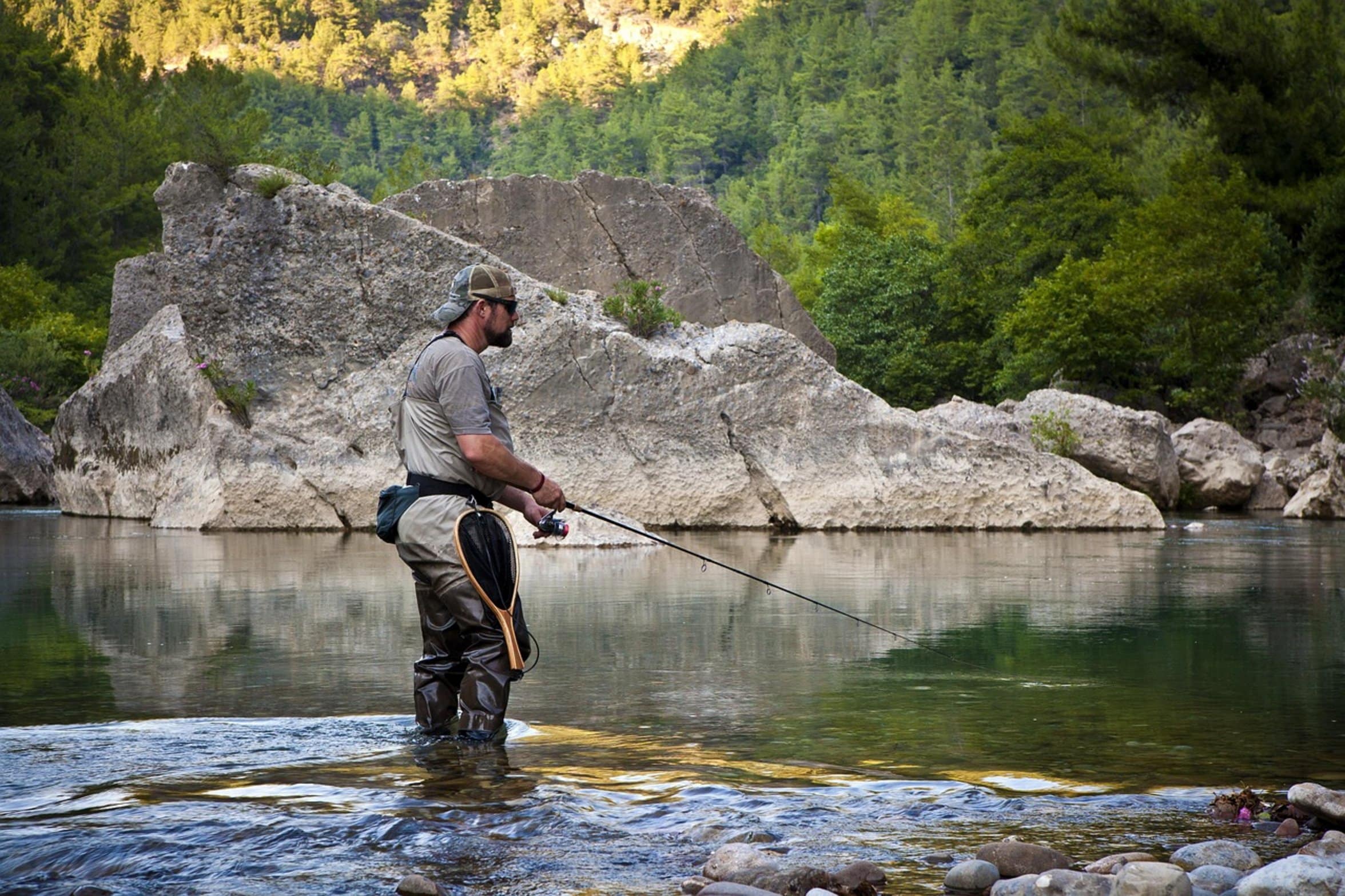
The same applies to your tackle. Don’t get in your own way. To excel at this game, use a rod built for the task.
A fast-action, sensitive graphite rod will help you read the water. You need equipment that respond when the bit is light. Be selective, go slow, and speak softly with your rod.