A long liner is basicly a heavy duty version of a regular trolling trip. In addition to fighting hook set of your big fish, you’re now battling the combined weight of several rigs, not to mention drag of water. And it’s an explosive fight when one goes nuts on a hook, but that’s what you signed up for.
For most angler, this is how they rig out their rods; no different then if you were fishing a lure alone. Big mistake. When the load gets multiplied, you want the right gear or it will fail terrible.
How to Select Trolling Rods for Long Lining
Understanding the Long Liner Rigging Challenge
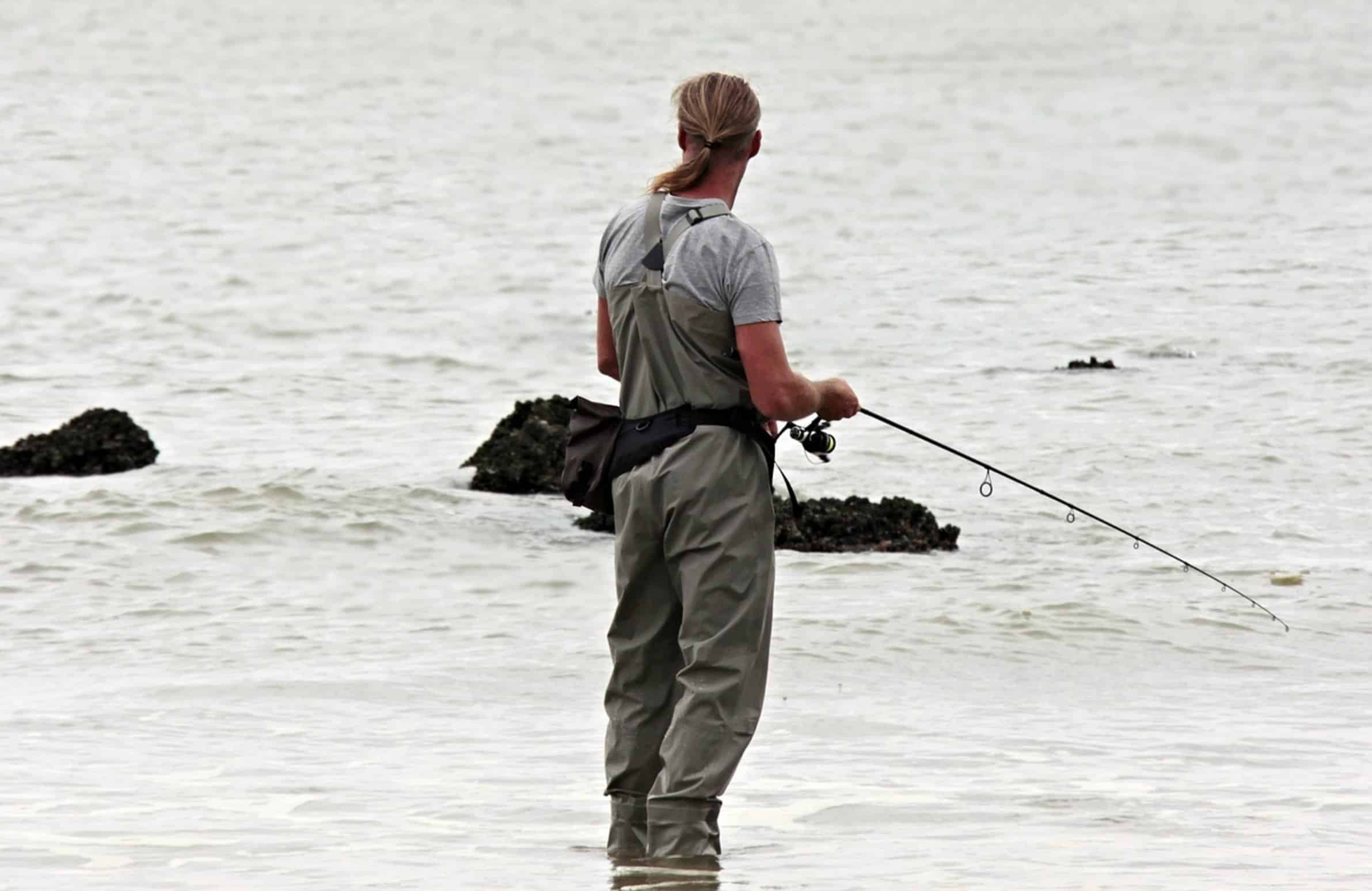
Too soft, like a flexible graphite rod? It will bend too much but also lose any sensitivity to the strike. Too hard, like a stiff fiberglass rod?
It’ll break from the constant pressure of three or four big bass. The goal is equipment that can takes the punishment while still having some flex to soak up shock. Losing a rod in deep water doesn’t just cost money, it costs patience.
Choosing the Right Rod Action and Material
First consider the action of your rod. It should be stiff enough to set the hook into a string of leaders without bending so far that it breaks. Most applications of fresh water long lining call for a moderate fast action.
The tip load well and there is a solid backbone to get the job done. Having several fish in play mean this isn’t a negotiating point. Material type also matter.
Graphite rods has better sensitivity and will allow you to detect the slight take these wary fish exhibit. But extreme shock loads can cause brittleness in pure graphite rod. A fiberglass rod is virtually indestructible, but they’re not responsive enough to make timely hook sets.
Oftentimes the sweet spot come from a combination or what we call a hybrid blend. The good news is this combo give you all the feel of graphite with toughness of fiberglass. The length, You might think this is overrated, but it’s not.
Selecting Rod Length for Boat or Bank Fishing
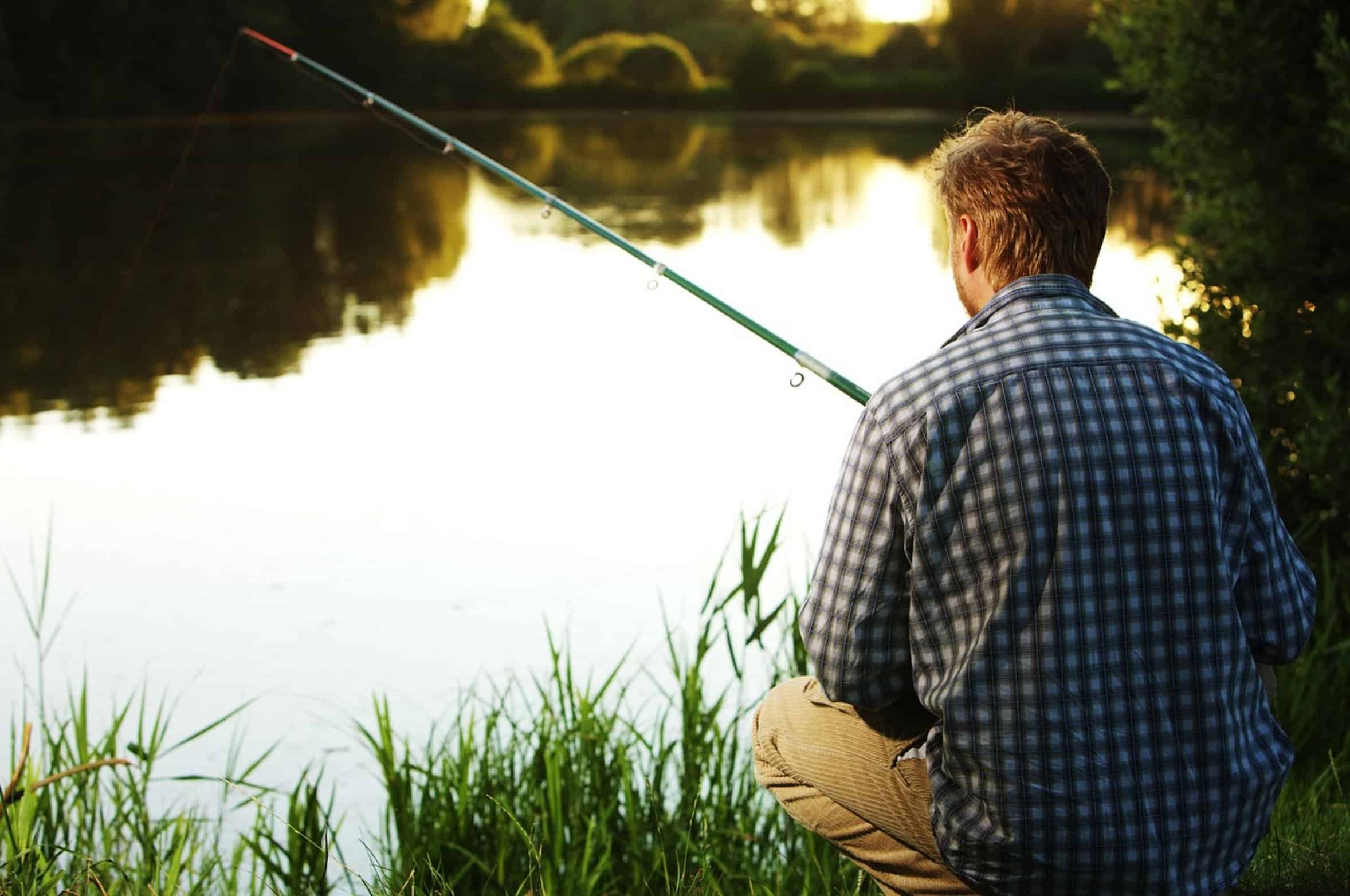
If you’re fishing out of a boat, you have an advantage with a short rod, like a 6-foot model. That allow you to get good leverage on fish while keeping your hand near the reel seat. This give you more control.
If you throw from the bank, longer models let you cast further as well as hold more line. Boat guys tend to lean toward short rod because they can work in close quarters more easy. The other half of equation is the reel.
Essential Reel Features and Drag Systems
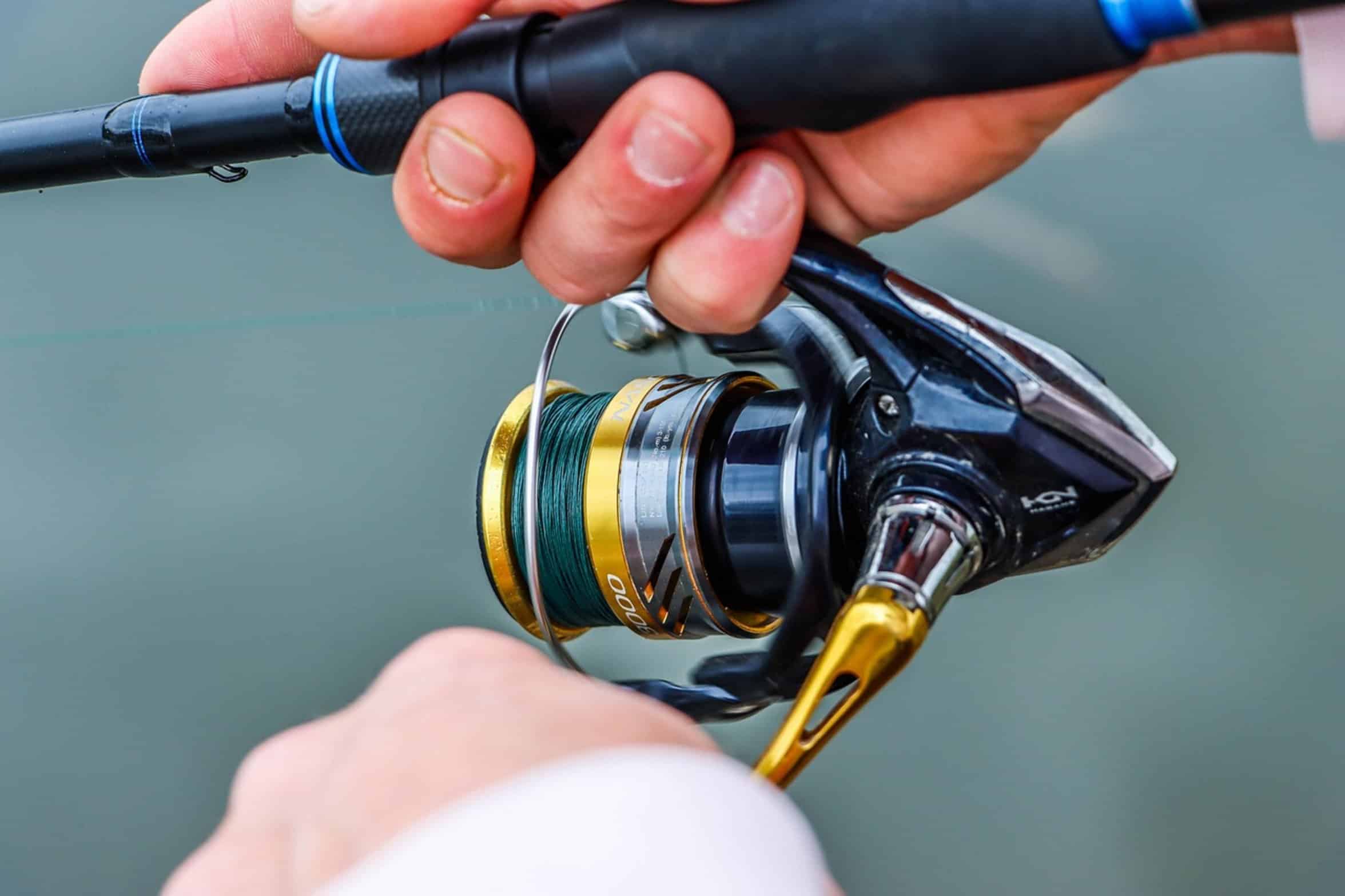
A good reel will have a solid drag system capable of quickly releasing large fish while avoiding a sharp pull on your line. While spinning reels are user-friendly, traditional reels is stronger and can hold more line. Seek reels with sealed bearings so they don’t allow water inside.
Saltwater cause corrosion, which ruins long-term performance. Comfort in your hands cannot go unnoticed when fishing long days on the water. Your hands are going to be holding this rod for hours at a time, often causing your muscles to tire.
Evaluating Comfort and Build Quality
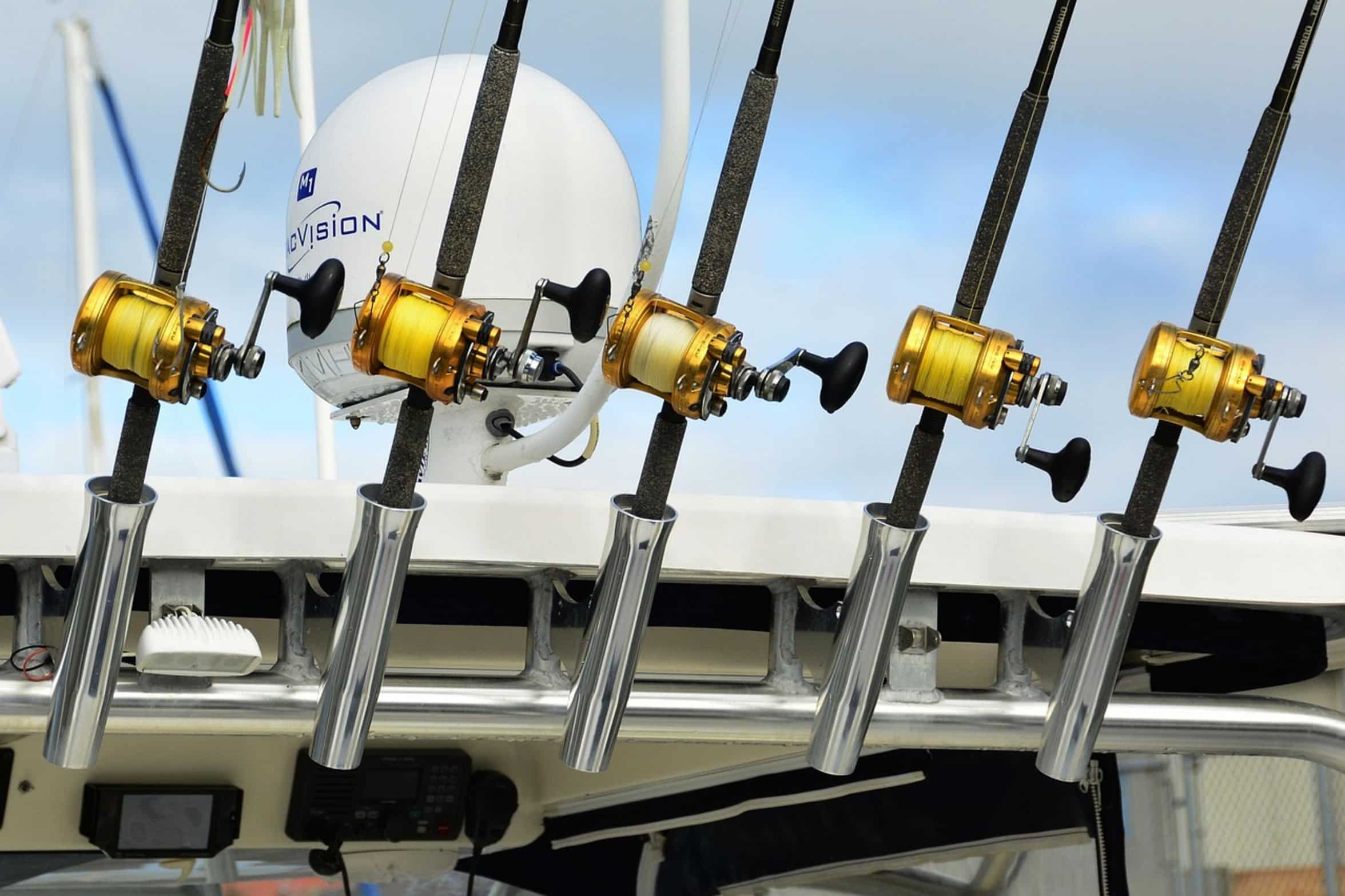
The thicker EVA foam grips offers improved insulation and reduce hand fatigue more different than cork. Make sure that the reel seat doesn’t wobble or move around. A loose reel seat put your connection with the fish at risk while making it dangerously unstable.
Quality of construction is often tied to brand reputation. Shimano and Daiwa dominate the reel market, offering smooth retrieves and reliable drag systems. Rods are dominated by companies like St. Croix and G. G. Loomis makes rods with solid construction and action ratings that you could of count on.
Trusted Brands and Reliability
Buying from reputable companies reduces the chance of failure early. If there is anything you don’t need your fishing equipment doing, it’s surprising you with a broken part. You want stuff that works time after time.
Pre-Trip Gear Inspection and Setup
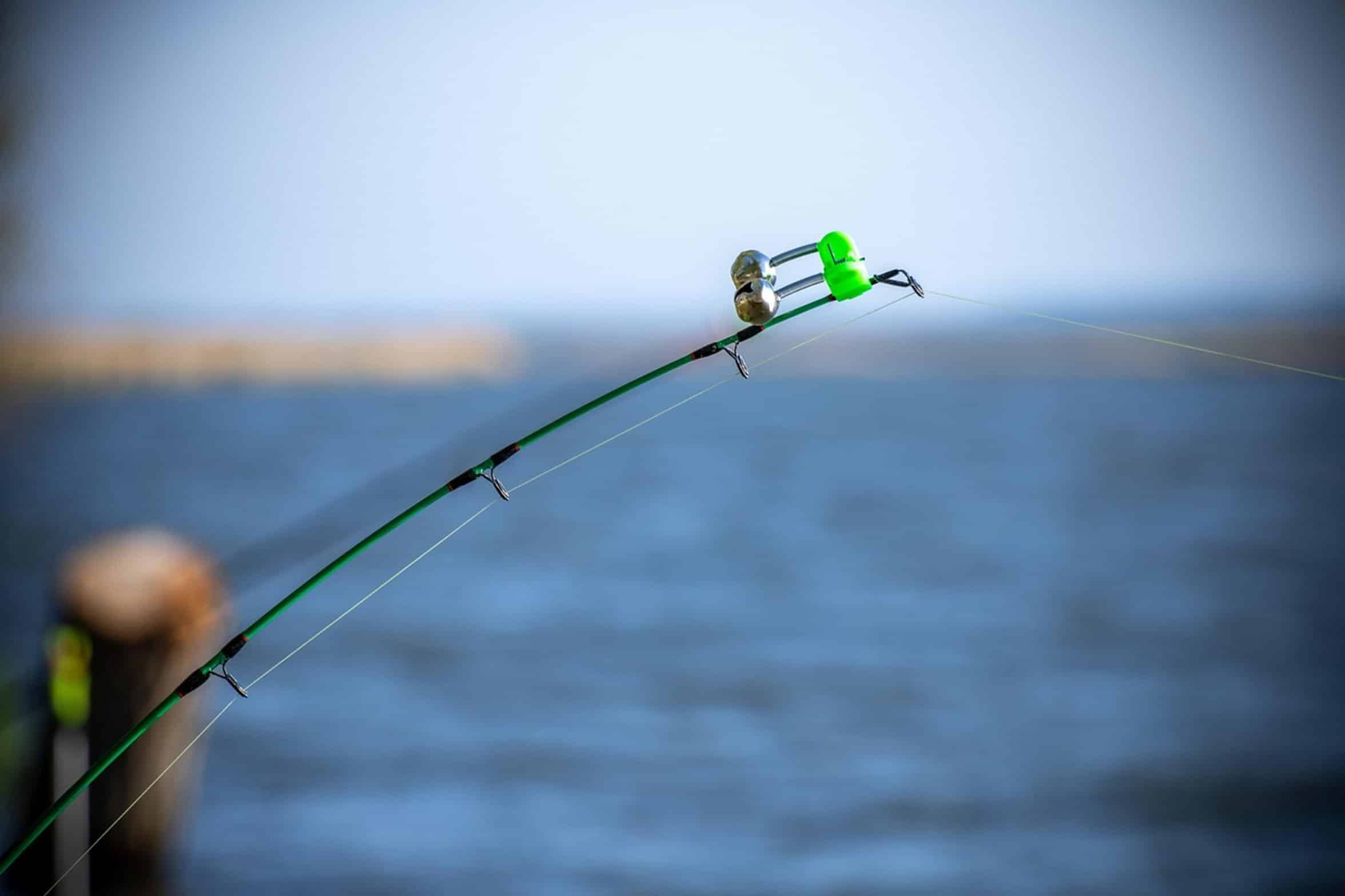
Get it ready before going. Make sure everything are tightened up. Test the drag with the line that you have.
Cast with your long line rig so you know how heavy it feels. Set the drag for the line you’re fishing. Prevention is the best medicine.
When the action begins, a great rod makes the difference between a lost fish and a successful catch. It also ensures you do not lose one. It transforms a crazy battle into a manageable brawl.