Many folks will tell you that warmouth sunfish can be tricky to catch and they don’t feed well. They’re small, they get buried in cover, and they’ll make your hooking ratio poor compared to shellcracker or bluegill. Before long, you may have fished around warmouth without even realizing it.
You could of missing an opportunity to catch a hard-fighting fish of a size that is much more likely to put up a fight. It’s frustrating and yet, we do it to ourselves. This isn’t a “fish thing,” though.
Why Anglers Struggle To Catch Warmouth
Why Warmouth Are Misunderstood
Warmouth act different than most sunfish. Because of this, they require different tackle and a different approach different than typical sunfish fishing. For instance, while steady retrieves with bright plastic will catch bluegills, they won’t get many bite from warmouth.
Locating Warmouth Structure
To really pick off some warmouth, you’ve got to know their triggers and how they behave in their habitats. The first thing is locating the warmouth since they likes a different type of structure than other sunfish do. They make there own underwater sanctuaries by digging holes in the muddy bottoms of rivers and creeks.
Look around for submerged logs, large rocks, standing timber and you’ll usually run across those hole there. Throw right at the structure or just over it. You’re casting in open water and more times than not, it’s just empty air up above them.
Retrieving Bait for Ambush Feeders
The fish will suspend in the shade and wait for something to float past them. When you find the structure, presentation is key because warmouth are ambush feeders; they use both vibration and sight to hunt. They won’t swim out very far to catch your bait.
They simply lie in wait for something to wander close enough to be struck. While a quick retrieve can gets a curious fish to commit to a reaction bite, more times than not it’s not going to lead to a hookset. Give the bait time to stand still for a few seconds; many times this will generate a strike that wouldn’t occur with a continuous retrieve.
Choosing Colors and Sizes
In shady or dirty water, color and size are more important then you’d expect; after all, they has to be able to see it. Stained water can get away with loud colors such as chartreuse, but clear water usually works better with natural hues (black, brown, dark blue, etc.). You want something that looks somewhat like a small baitfish or crawdad, yet doesn’t scream “artificial” at them.
So while a big flashy swimbait may catch some fish, a simple three-inch drop shot with a small craw imitator will outproduce it much of the time. Because of their high fight-to-weight ratio and delicate mouths, warmouth require light tackle. Go with small hooks, size 6 or 8 works great, and fluorocarbon leaders.
Light Tackle and Hook Sets
Bulkier terminal tackle spook the fish before they see your bait. With a size 6 or 8 hook on a six-pound test leader, there’s less resistance in the fish mouth as well as better hooksets. That subtle adjustment can be the difference between a frustrating day of missed fish and a productive session full of solid hookups.
Patience and Precision Fishing
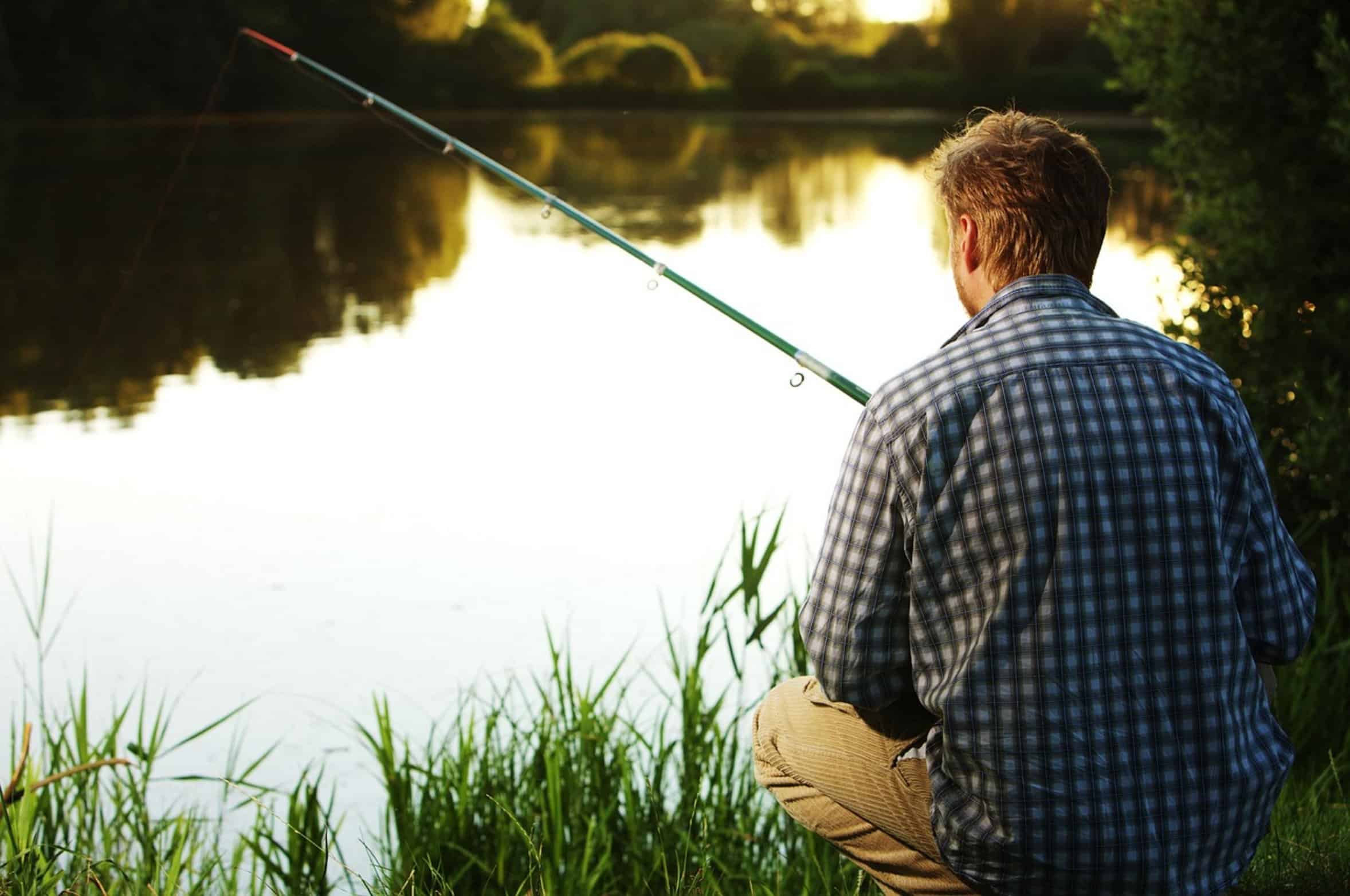
The last ingredient is patience. Warmouth are not a numbers game; they’re a precision game. Make fewer casts but make each cast a little more deliberate, working each piece of structure thoroughy.
When your indicator goes down, don’t jerk, it’s a gentle-set, firm-hookset kind of deal, but trust the bite. Your reward will be a bass that jump and fights like it weighs twice as much as it actualy does, even though it is small. Unlike the elusive nature that fools fishermen into thinking they’re dealing with a bluegill, the warmouth doesn’t fool us so much as force us to do something else.
Stop looking for them like a bluegill and start looking at them like the structure-hunting predator they are. It’s worth the extra effort because when they bite, they will satisfy the angler who has been struggling to catch warmouths… Those clever fish.
Look where they are and not where you think they oughta be.