There’s a certain kind of frustration that occurs with panfish fishing. You’re sitting on the bank watching for bites, your bobber twitches slightly and then it’s gone, line goes slack. Another one got away.
Chances are it wasn’t because of your bait or even your patience. It was most likely due to equipment. A bulky, heavy spinning reel can masks the signal.
The reel doesn’t move fast enough to alert you when a fish take a bite. Sensitivity is something we typicaly associate with rods. The blank is fast action.
Sensitive tip? Both are important, but anchor to the whole system is the reel. Too much inertia in the reel and it take up the energy of the bite.
The fish taps on the line, but heavy spool doesn’t budge. No connection before you even register what happened. So how do you know what’s good?
Well, purchasing the lightest reel doesn’t solve anything. You’re searching for that happy medium. You want something strong enough to fight with, yet small enough to detect the bite.
It’s a tightrope to walk and very few reels nail it on the head. Either they’re too weak or they’re just too clunky. Knowing mechanics behind sensitivity will allow you to look beyond marketing jargon and find the sweet spot.
Essential Tips for Panfish Reel Sensitivity
The Importance of Reel Weight
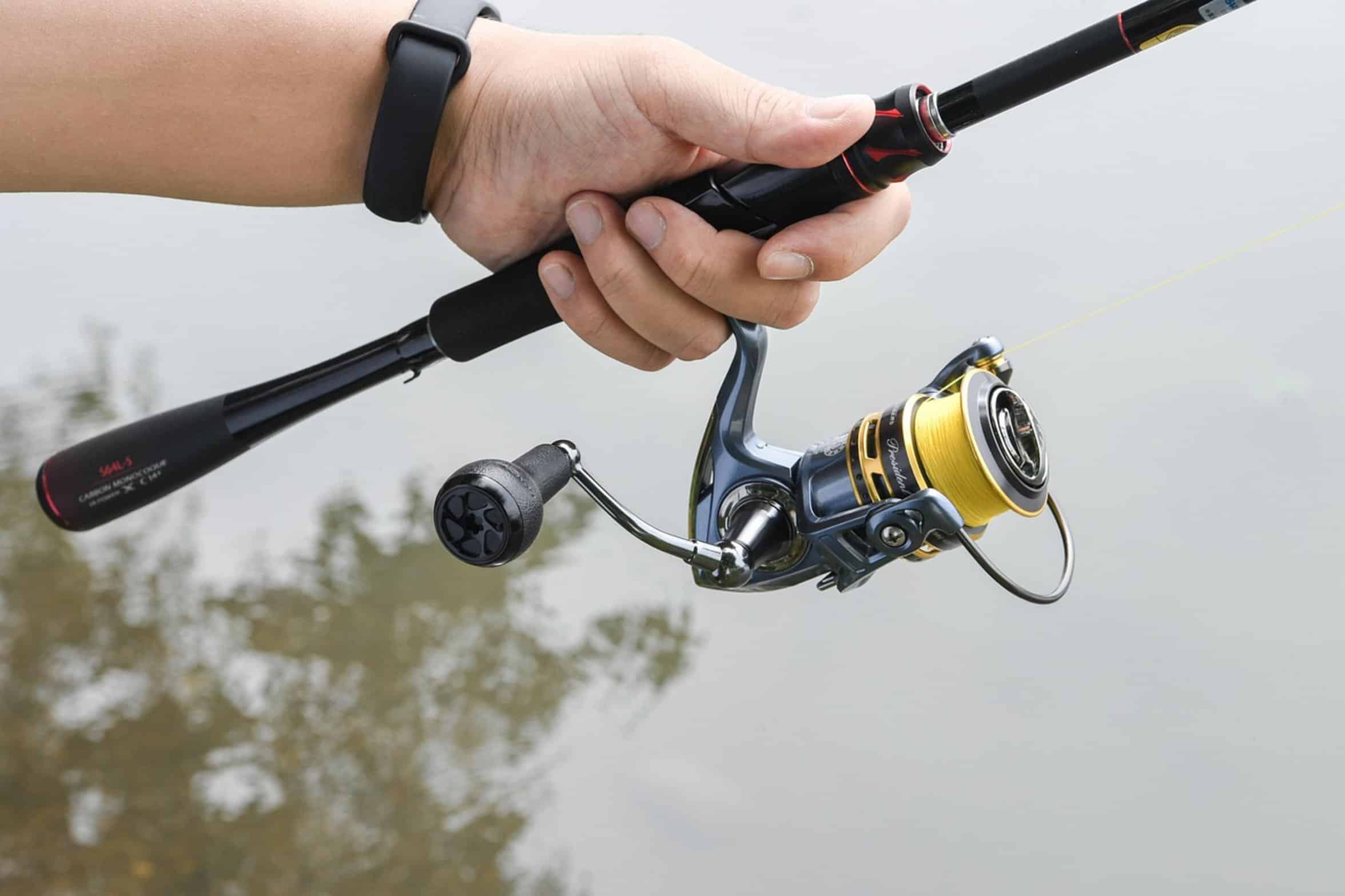
The first thing to look at on this reel is its weight. The heavier the reel, the harder spool is to turn because of physics. When a bluegill or crappie taps your bait, that force is minimal and doesn’t have much juice behind it.
An eight ounce reel puts an 8 ounce weight to work against you. It gives the fish a level of motion they can not overcome. Look for a reel that will feel like nothing in your hands.
Oftentimes this means looking for something under four ounces. Less inertia means even a whisper of movement translate directly to the line.
Choosing the Right Drag System
Consider the drag system.
A stiff drag will kill your sensitivity instanty. It’s like having a shock absorber that is too hard. You need the line to yield ever so slightly when the fish bite.
Otherwise if your drag is locked down tight, the line will not give at all. This means you might feel the force of the bite before you get hook set into the fish, or the bite might damp out completely. You want something softer but still very smooth on the reel.
Companies like Shimano and Daiwa nailed this in their micro-reel lines. The Daiwa Ninja and Shimano Sierra reels is good places to start. They provide gentle drags that allow you to detect the rhythm of the feed.
Selecting the Proper Line Diameter
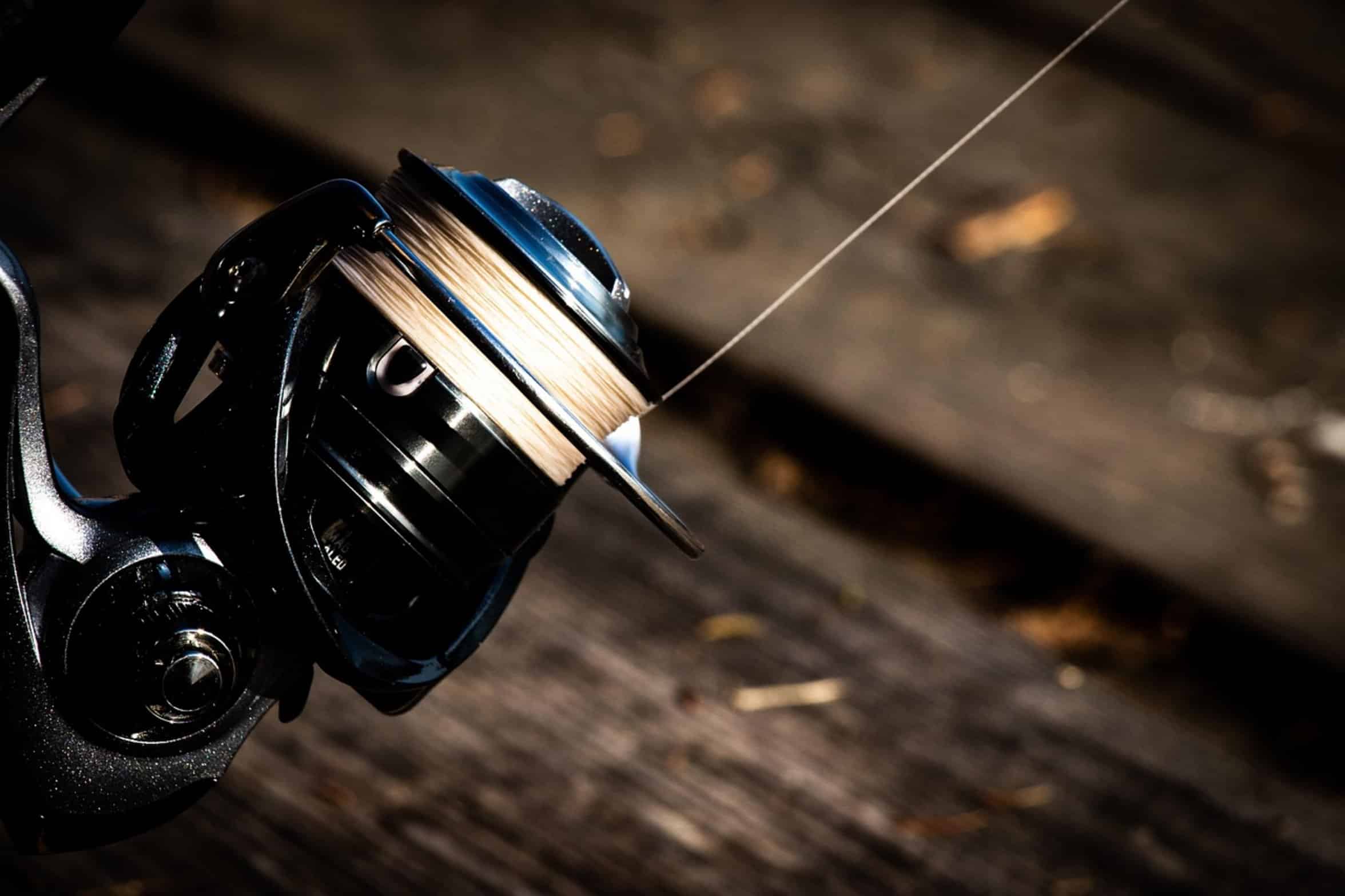
Part of that equation is line size. Larger diameter line blocks the sound of vibration. It also adds surface area, which makes it harder to cast and puts more stress on knots when the wind catches them.
But larger diameter line will also dull the feel of the bait. It creates a bit of a cushion between you and the fish. Smaller diameter lines such as 2-pound test or 3-pound test transmit vibration better.
The light tugging you feel with a panfish come through the line without as much muffling. In essence, you’re taking the noise out of the sound. It is a small difference, but a big one when it comes to feeling it.
Understanding Retrieval Gear Ratios
The last part of this equation is retrieval ratio. The higher the number on your reel, the quicker spool will turn for every crank. That can make the reel feel jumpy and uneven.
Lower gear ratios is steadier and offer more control. When retrieving a crankbait you don’t want to wind it really fast for panfish. Precision is what’s needed.
Five to one ratio reels gives you plenty of torque for that surprise runner but also allow for a smooth retrieve. Keeps the lure pulling steadily without yanking at the line.
Top Micro Reel Recommendations
You can get into the micro category with some decent brands such as Abu Garcia and Pflueger.
Pflueger has come out with a great reel called the Pflueger President Micro. It is a real workhorse reel that has lasted through time. It’s not going to be the lightest reel in the lineup but it will be reliable and durable.
If you want to invest a bit more money, you’ll have a tough time beating Shimano Sedona micro reels for their smoothness. They have top-quality bearings that take away the friction. The less friction there is, the more sensitive you are going to be.
It is as simple as that. Your reel makes a difference It’s the difference between seizing the opportunity or missing it. They miss it but you don’t.
It’s not guesswork anymore, now it’s knowledge. Next time you’re sitting on the bank with one in hand, look at what you’ve got. Are you using line that is too heavy?
Is your reel holding you back? If so, make an adjustment. You’d be surprised how many of these fish you’re missing.
The bite is there. You just need the tool to pick up on it.