The newest synthetic lure isn’t necessary to fool a fish. Millions of dollars goes into manufacturing plastic that perfectly imitates an insect, crawfish or baitfish. But let’s get real: When it’s hot and muggy in the middle of the day and you’re sitting next to your favorite local pond watching those bluegills break the water’s surface, all that technology tend to be overkill.
It really comes down to something simpler… Bluegill are opportunists. And few things can triggers their feeding instincts faster than a live worm.
Why Live Worms Are Best for Bluegill
Why Live Bait Beats Synthetic Lures
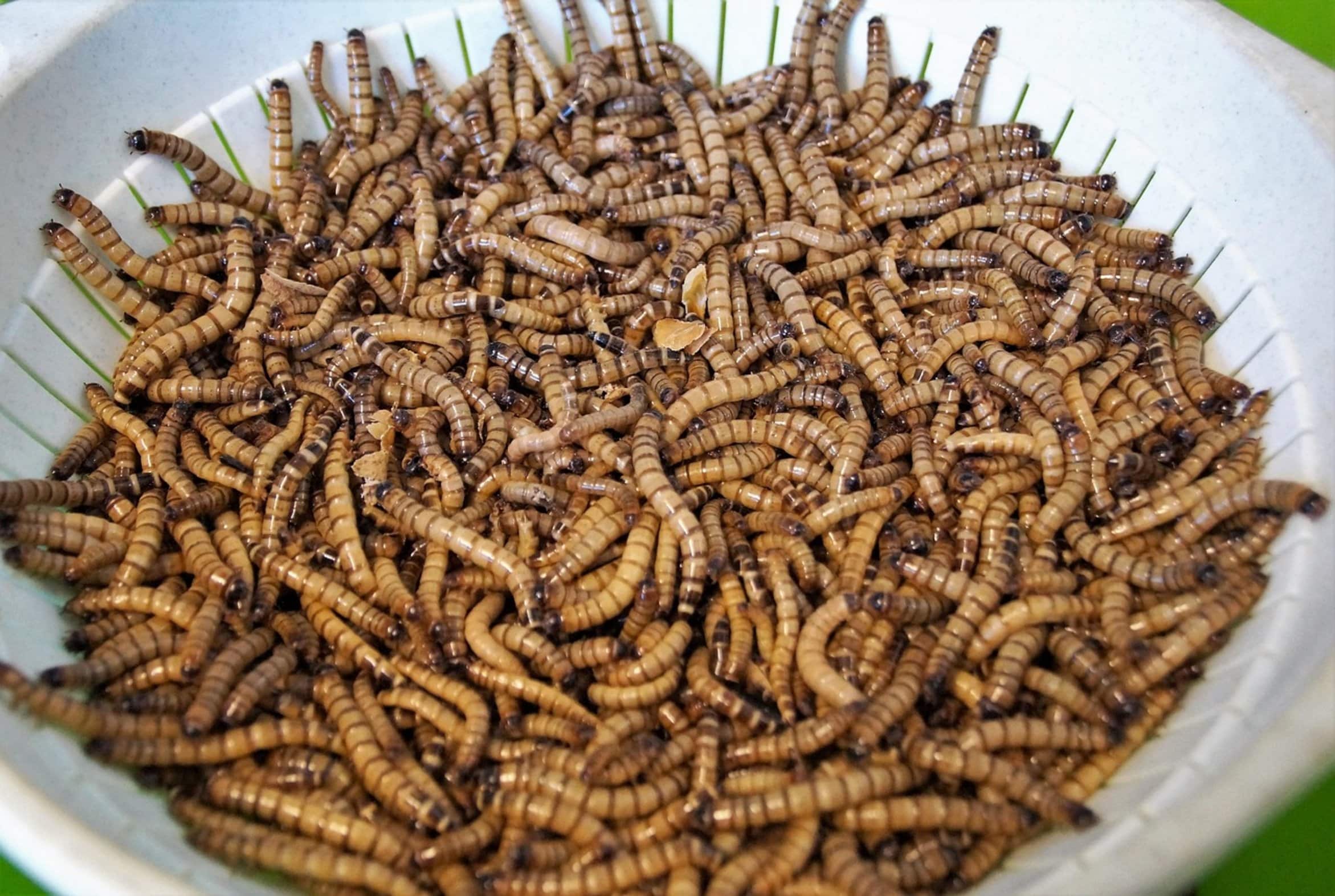
There is a good reason for this. If it makes you feel any better, you’ll be using a simple bait. I know there’s some pride tied up in catching a limit in an hour while wearing a high-tech soft plastic on your line.
But pride doesn’t fill a cooler. Live bait sits between human patience and fish instinct. When you use a nightcrawler or a red wiggler to stand upright or drag slightly across the bottom, you aren’t fishing with an imitation; you’re fishing with dinner.
Scent and Action Triggers
That difference alter the way the fish approaches the hook. There is a smell. Bluegill have an amazing sense of smell and when it’s not easy for them to see their food (murky water), they will find it with their nose.
Something about a plastic lure looks good but smells like nothing. That worm goes into the water and gives off some type of signal to the fish right away. It says “I’m food” whether you can see his hook or not.
In early morning light or even stained water, this is huge. He smells something he needs; then he sees him moving and comes in. Action is another key element.
Natural Movement and Presentation
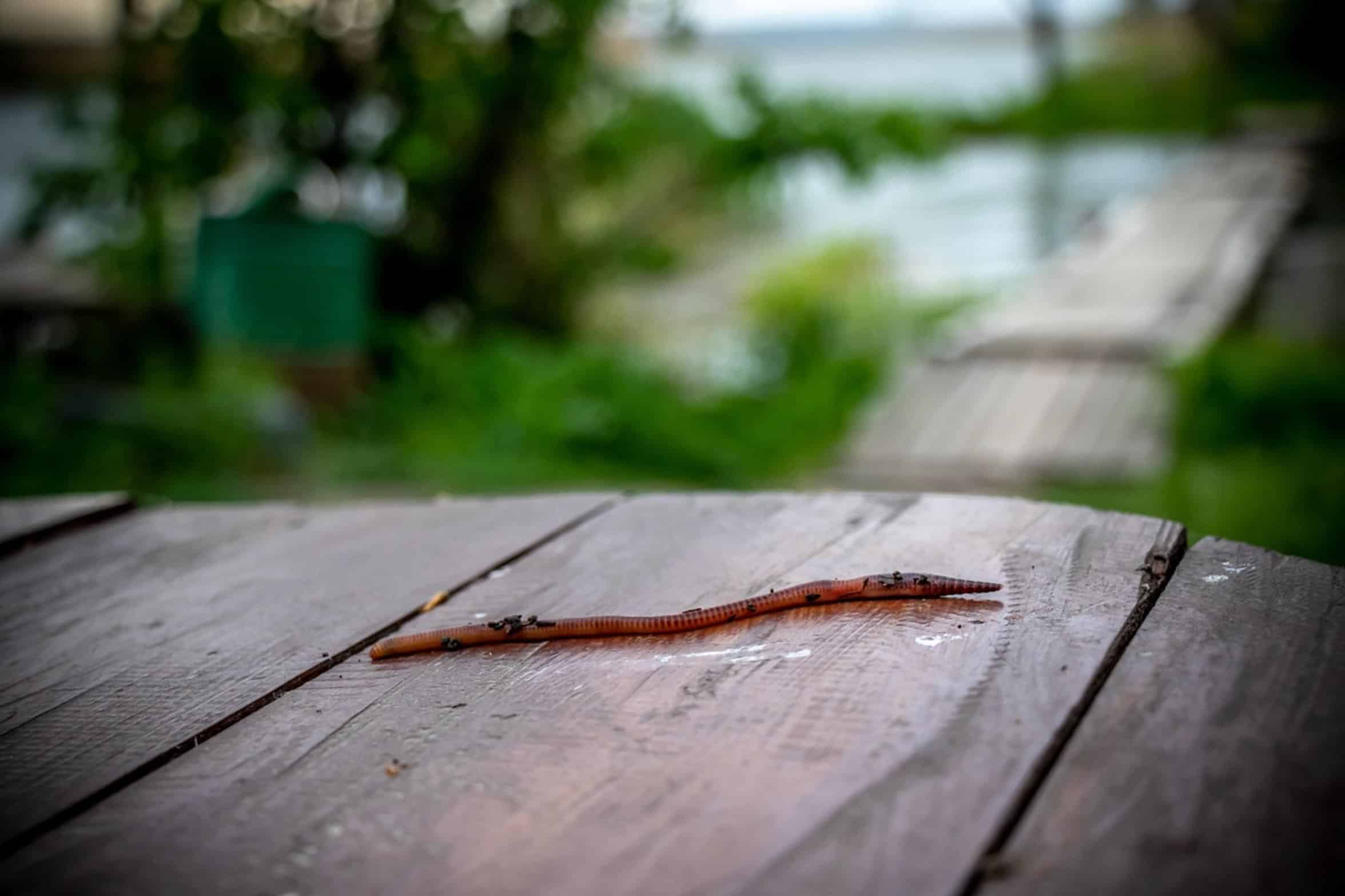
The action of a live worm has an odd pulse that you can’t completely duplicate with a jigging action. It’s alive and moves erratically. A worm will even twitch slightly even when laying still on the bottom.
That slight action will draw a reaction bite out of bluegill holding near structure. There is no need to really work the worm. Just pitch it under some submerged logs or lily pad leaves and let the bait work for itself.
Often, this quiet presentation produce far more bites than trying to aggressively work the lure. Choosing the right bait is important, but many anglers do not understand this. For big bluegill (those that weigh over a pound), nightcrawlers are the gold standard.
Choosing the Right Worm Size
They can be rigged so the hook point is hidden. They’re big enough so that even wary fish won’t spit the bait. Their size also ensures you’ll get bigger fish out of the bait.
Use smaller red wiggler worms for small bluegill, such as younger and smaller specimens. This also works if you’re fishing in really thick numbers and getting numerous bites. What size worm you use determines what size fish you will catch.
Match the bait to the target. Newbies often trip up on the rigging technique. You’re looking for a presentation that looks naturaly on the bottom.
Rigging for Natural Look
For this, a small hook with a simple split shot rig is best. Thread the worm through the head down to the tail, then let it drag just off the bottom or stand-up on the bottom. The secret is having an active, alive looking worm.
Piercing it too many times kills its action and makes it limp and less appealing naturaly. A couple of clean piercings are all that is necessary to hold it in place without killing its action. Bluegills feed heavily on worms but are affected by weather conditions.
Adapting to Weather and Light
Sunny days can keep them holding deep in the cooler water, so the scent trail left behind from the worm becomes even more important. On overcast days, bluegills move into shallower water, making them easier to see and catch. Again, match your depth to your light.
Go deeper if you have clear water. Go shallow if it’s cloudy. The worm adapts to where the fish are rather than making them swim to a certain presentation.
This means it works well in either situation. The last ingredient, however, is patience. Worming isn’t a fast-paced fishing technique.
Patience and Stealth Techniques
You sit there and wait until your bobber goes down. The lack of commotion allows the fish to remain at ease and doesn’t disturb the water. A bluegill doesn’t like quick motions or heavy shadows.
The most non-threatening thing in the water is a calm angler with light line and a wiggling worm underneath. That sense of security leads to larger bites. To catch bluegill, you don’t have to reinvent the wheel.
Fishing technology has evolved, but fish haven’t. And they’re still eating worms. They’re still responding to natural action and scent.
Next time you find yourself standing on the bank with a tackle box overflowing with flashy plastics, grab the bucket of worms and dirt instead. That’s the oldest trick in the book…and it’s still the most reliable one. The simple bait beats the complex gear every single time.