Bluegill are notorious for being finicky. They will come into a location and dissapears within minutes. Sometimes you spend an hour rigging things perfectly only to see them school all around your offering while never taking bite.
Catching Bluegill With The Right Bait
Why Bluegill Are Finicky Feeders
It’s personal; but more than likely, it boils down to both time and presentation. Because these panfish is primarily visual feeders who gets much of their meal by feel (vibration) and smell, knowing their behavior shifts your approach in the boat or on bank. In order to catch them consistently, you have to mimic way that live prey moves and match its naturaly diet.
During the day, bluegill will eat things like insects, larvae and small crustaceans. So if you’re offering them a bait that doesn’t look right or taste right, they’ll ignore it. That takes time and an open mind.
Using Live Worms Effectively
You must be willing to experiment with various baits until you can trigger their aggressive side. This isn’t simply a matter of throwing something out there and waiting for bite. For some folks nothing beats live worms when it comes to catching bluegill.
For good reason, Bluegill are hard-wired to respond to a red wiggler or a piece of nightcrawler. The key is to keep the worm moving on hook. When a worm curls up and dies on the hook, it loses its appeal.
To fix this, many angler cut their worm lengthwise so the hook point shows through but the rest of the worm body can move about. This very slight action draws attention of cruising bluegills in clear water. It is one of those techniques where you have to make it work, but when you do, it works every time.
Fishing with Live Minnows
For those fishing deeper water or for bigger bluegill a minnow has another benefit. Minnows like a little live one hanging right off the bottom can makes big fish react to your bait when they’ve seen and ignored other small offering. Keeping your minnow alive long enough to get a fish is the problem with using minnows.
You need a rig that lets them swim freely without tangling or stressing out too quickly. The trick is a setup that let the minnow swim without getting tangled while still giving it freedom of movement. A good way to do this is with a split shot set just above hook point so the minnow can swim but stay at depth.
Using Artificial Lures and Plastics

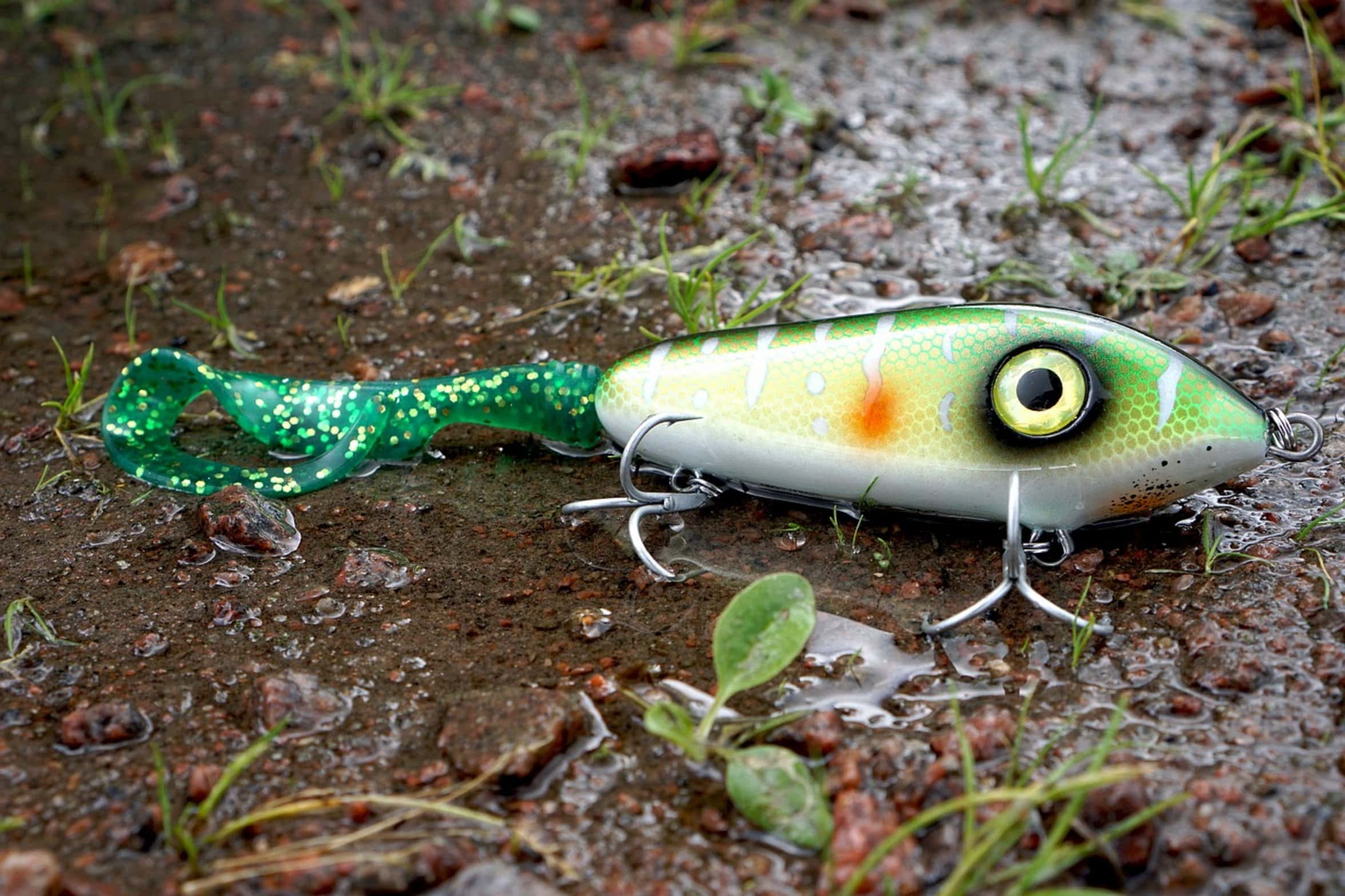
A larger bait often equals a larger catch. Usually if you’re catching a big bluegill, that’s what you’ll be catching. Artificial lures are popular for bluegill fishing again due to design improvements and new materials.
Soft plastic grubs and tiny crankbaits can does wonders, particularly around aggressive feeding, schooling bluegills. The advantage to using artificials is speed. You’ll be able to spot active fish quicker and cover more water then you will with live bait.
And once located, you can transition back to your natural baits if necessary. Small plastics like Zoom Bait’s micro grubs imitate insect larvae perfectly. These little guys gets bites by triggering a reaction strike instead of a thoughtful one.
Adjusting Bait Depth and Presentation
Another thing people don’t think about much when it comes to catching bluegills is presentation depth. Bluegills roam up and down during the day based off light conditions and water temperatures. They can start shallow in the morning and slide out deep or even slide back shallow to get under some cover in the middle of the day.
You need to pay attention to what the fish are doing and make sure you’re adjusting your depth to match theirs. A sliding sinker rig lets you put your bait right where they want it while not having to completely re-rig everything. So again, keep an eye on what direction the bites is coming from and adjust your depth according to how the fish position themselves throughout the day.
Best Times of Day to Fish
Your chances of catching more bluegill increase drastically if you time your fishing trips accordingly. Bluegill is very active in the early mornings and late afternoons; these are their primary feeding hours. They’ll bite on less-selective baits and aren’t afraid to venture out and take some chances during these windows.
In midday, however, it’s hit-or-miss. Particularly in warmer months with a high sun and warm water temperatures. Taking advantage of those low-light periods will give you a big edge, so make sure you should of schedule your fishing trips around them to get the most bites.
Fishing for bluegills can be an adaptive and patient game. Whatever bait you are throwing, whether it’s minnows, live worms, or small plastics, you want to present your bait naturaly and make it look like something they would consider eating. Keep your eye out for time of day, depth and the condition of the water.
Adapt as necessary to what you see around you. Success boils down to presenting the right bait at the right time in the right depth. Continue to experiment until you figure out how to catch them on your local waters.