There seems to be some sort of secret code when it comes to catching bluegill. On one morning you can catch them by the pound on a plain hook and worm. Then the very next morning, they won’t touch the same thing and will stay up under the waters surface instead.
It drives us crazy, and we know it happens. Anglers will point to their poor luck, the pressure, or the weather for why it happened. Truth is typically far simpler.
Top Lures for Catching Bluegill
Understanding Bluegill Feeding Habits
Chances are you’re throwing something other than what the bluegill want to eat at any given time. Figuring out what they do want to eat completey changes the game. Panfish have great vision.
These fish are opportunists. What that means is they don’t run to everything that moves in the water. They’re looking for things that appeal to them as a natural prey item.
Your presentation should be based off how they want to eat. If it’s not, you’ll find yourself staring at a blank spotter on your bobber. There are three lure types that really make all the difference.
Get good at fishing these patterns and your stringer will be full no matter what Mother Nature throws at you. Can you catch smallmouth on a crankbait? Crankbaits don’t sound like a good choice for a bluegill.
Using Lipless Crankbaits for Strike Reaction
A bluegill doesn’t have as wide a mouth as a pike or even a bass. But a small lipless crankbait is one of the best weapons in panfish arsenal. It’s all about the action and the size.
It is something no bigger than an inch and a half. It mimics either a big insect larva or a tiny minnow. As it spins in the water the bail creates a vibration that triggers strike reaction.
Works particularly well in deeper cover or stained water, where visibility isn’t great. They feel the bait more then they see it. And that sensory trigger is powerful.
Cast it along edges of weeds or over any fallen timber. Let it fall slow and watch what happens as it oddly wobbles down to the bottom. Oftentimes the drop will produce the bite.
It is a passive presentation with active results.
Jigging Spoons for Flash and Action
Another go-to bait for die-hard bluegill fishermen are jigging spoons. At first glance, these flat flakes of metal may seem too simple.
But they don’t has fancy retrieves. It’s all about the action and flash. That shiny piece of metal shining in the sunlight entices those bluegills.
In their minds, it’s a wounded baitfish or some other fleeing prey. You want to simply drop your spoon down on slack line. Let it sit and then smash it when it stops.
Follow with a quick raise of the rod tip and give it some life on the fall. Continue until you hit bottom. What you’re doing is imitating vulnerable prey trying to escape in the current.
Those predatory instincts can’t help themselves. Choose a color that best suits the water clarity. Gold does well in muddy river systems, and silver for clear lakes.
Soft Plastic Worms for Natural Presentation
Bluegill fishing’s wildcard comes with those big ol’ bass baits: soft plastic worms. They’ll fit into any scenario imaginable. The classic split shot rigged red ribbon worm gets its name for a reason.
It floats. It drifts in current. It looks naturaly.
It moves with the flow. Fish it slow on the bottom, or float it out in open water. In this case, the strength is in being subtle.
Bluegill get weary sometimes and won’t bite anything flashy or moving too quick. A soft plastic provides a very lifelike shape, taking their guard down. Rig it to a small hook to match their smaller mouths.
Because it’s lightweight, it sinks naturaly while not being too cumbersome in the fish mouth. It reduces your risk of losing the hook when the fish spits it out. It’s a forgiving presentation that pays off for patience rather than speed.
Matching Lures to Water Conditions
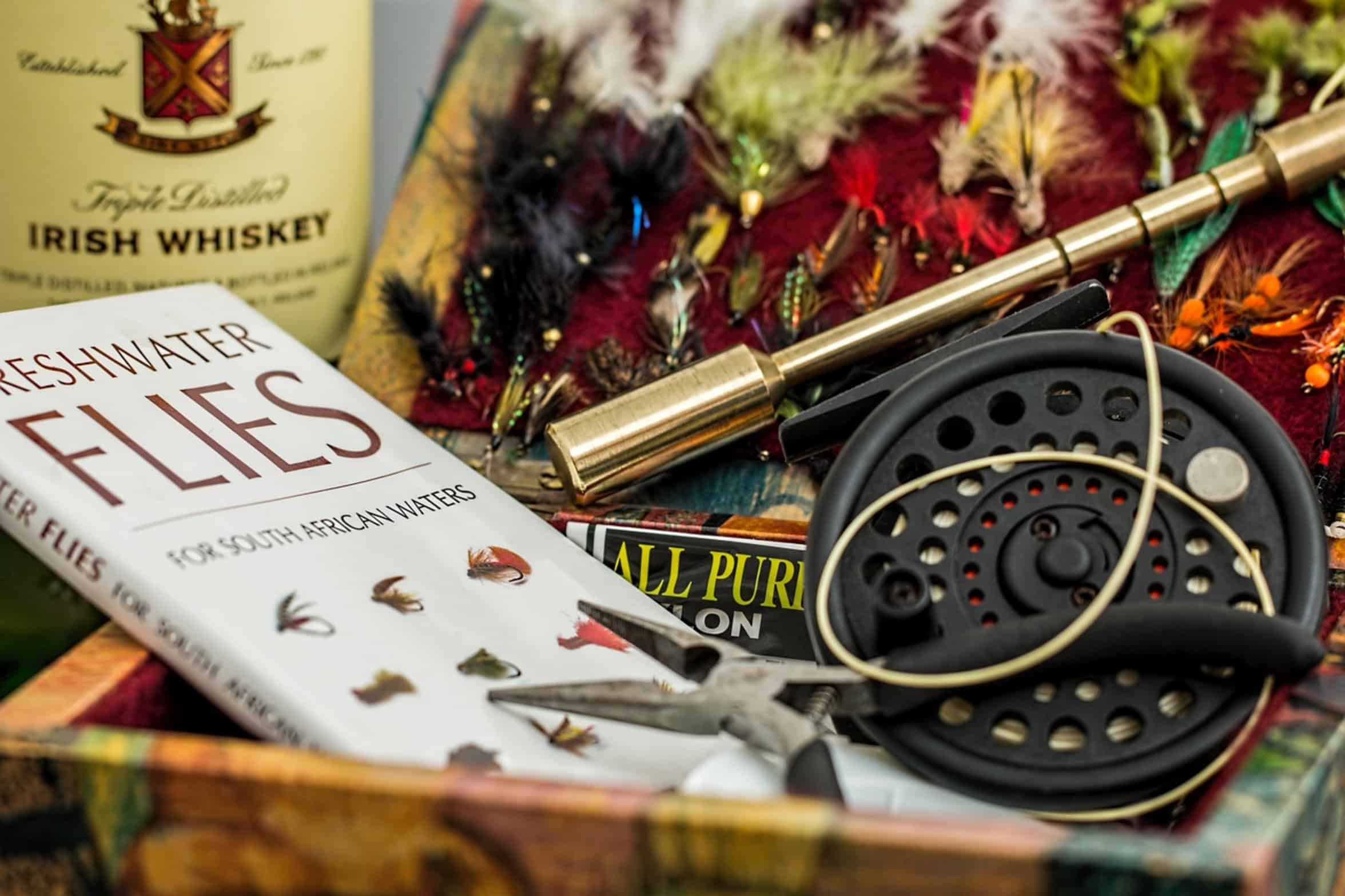
Match the water conditions. Now we have the last part of the puzzle matched. No one lure fit all.
It’s important to read the lake. Crankbaits does well in low visibility situations. Spoons take over on open water with bright sunny days.
Soft plastics crush it around cautious and pressured fish. These three lures combined, however, cover all the bases. They allow you to put down the guesswork and get on target.
Next time you’re standing above a calm, quiet cove, consider what the bluegill are looking at. Pick up the lure that talks their language. Your success wouldn’t of been far behind.