Bluegill fishing seem easy. Stand still for an hour. Nothing.
Stand still for five minutes, you catch fish like crazy. What’s the deal? Location isn’t usually the issue.
Bait isn’t always either. Almost always, the determining factor come down to this: the hook. Most anglers considers hook size to be a guessing game.
They’ll pick up whatever their “normal” size has been all these years and go from there. That work for some people, but not most. Understanding why specific hook sizes matter will help you catch consistent numbers of bluegill.
Choosing The Right Hook Size For Bluegill
The Importance of Correct Hook Size
A common error made by anglers is going too big with their hooks. Because we’re accustomed to fishing for bigger crappie or bass, we’ll grab a number 2 or sometimes even a number 1 hook. Remember, bluegills has small mouths.
A big hook gets in the way of them getting the bait down into its throat. Even when they like what they see, your hook size will kill the bite. They take the bait down, feel the obstruction and spit it back out.
You see that dip on the line but never anything on the other end. That’s frustrating enough to turn lots of new angler off to this sport. Number 4 through number 8 are typically the sweet spots for bluegill.
They’re strong enough for big slab bluegills, yet dainty enough to fit comfortabley in a plate-sized bluegill’s mouth. For most circumstances, a number 6 hook will work well. This size give the bluegill time to grab the bait naturaly without feeling like it’s hooked immediately.
That natural feeling is important because bluegill are cautious eaters. They will poke around with the offering before fully committing. With a smaller hook, they can finish this process without raising any suspicions.
Choosing Fine Wire Hooks for Caution Eaters
Both the hook size and the type of hook matter. When you’re fishing for bluegill, a fine wire hook is mandatory. When you’re fishing for bluegill, a fine wire hook is mandatory.
The thicker the wire on your hook, the smaller it looks but the bulkier it appears in the water. This results in poor casting and an unnatural appearance to the fishs. In clear water, a fine wire hook like those from Gamakatsu or Owner is almost impossible for the fish to see.
They’re extremely forgiving when it comes to the hookset too. Because they bend easier, you don’t have to slam the hook into them and risk ripping their mouth open or tearing the lip. Bluegill have very soft mouths.
Setting the hook hard with a large hook will not only rip the bait away, but can severely harm the fish’s mouth. With a fine wire hook, you get clean penetration and good hooking power without having to use too much pressure. So we know our ideal size of hook is somewhere between a number 8 up to about a number 4.
Matching Hook Size to Bait Type
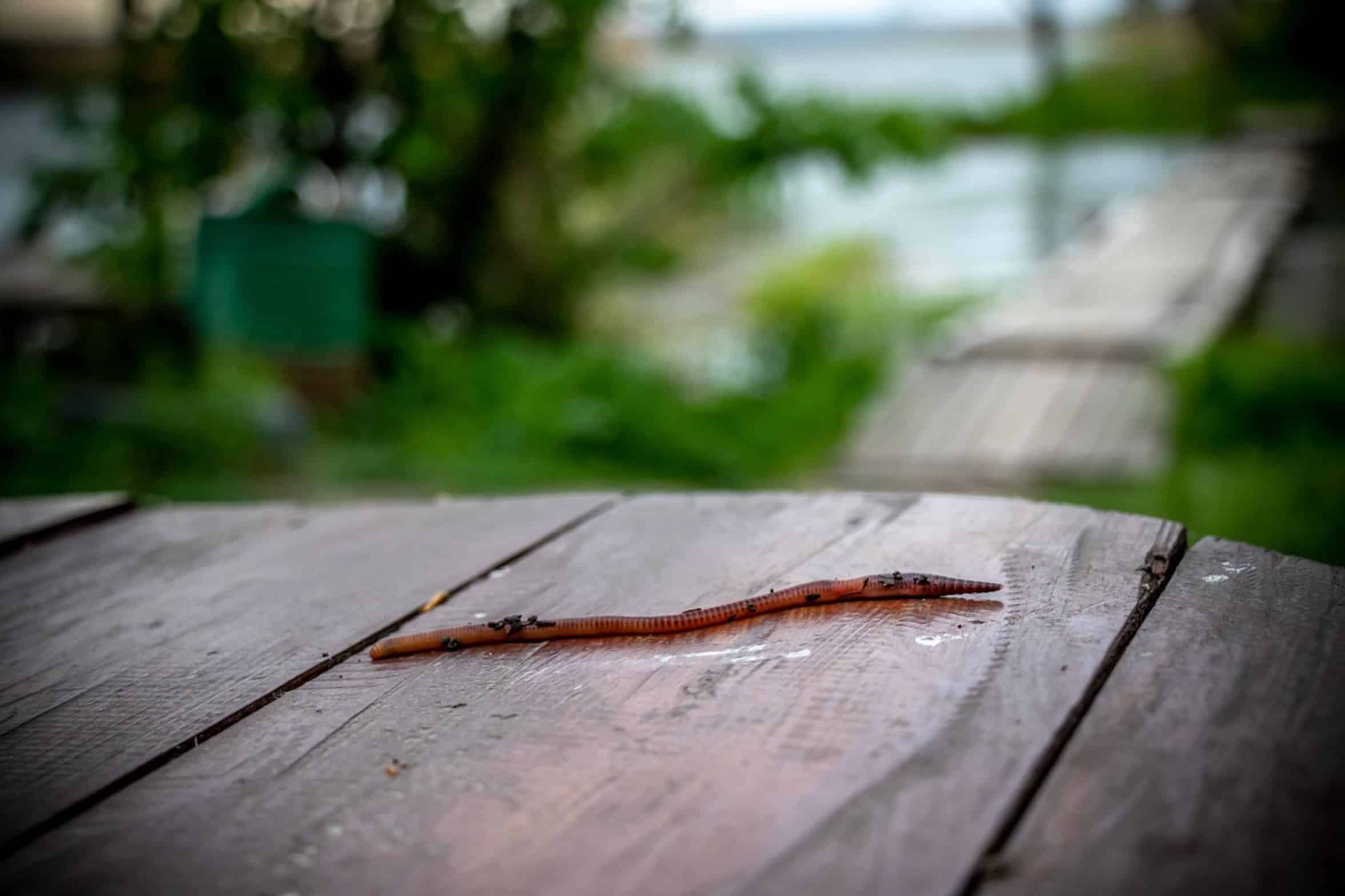
And the size of your hook in that ideal range depend on the bait type. For example, if you’re sticking just a little piece of maggot or wax worm on there, then something like a number 10 hook or maybe a number 8 would be best. It is small enough to let the tiny bait move naturaly without being so large that the fish cannot swallow it easy.
On the other hand, if you’ve got a minnow or a nice chunk of nightcrawler on there, you’d want to go bigger with the hook up into the number 4-6 range. Bigger hooks for bigger baits is always true. A big worm on a tiny hook look funny.
A little worm on a huge hook doesn’t look good either as it covers up its visibility and scent. Get the two matching up is important. Your selection will also depend on your specific fishing conditions like water conditions and fish pressure.
Adjusting for Water Conditions and Pressure
For instance, if it’s murky or stained, you’ll get away with bigger hooks. You don’t think the fish has as good an idea what you’re throwing. If it’s clear water, go small.
The fish see all. They know something isn’t right when they see a big hook on this tiny little bait. Also, if it’s pressured water, fish that have already been caught will become wary.
Going two or three sizes down on your hook might be the difference between a bite and going home skunked. It fools them into believing the bait is more natural to their environment. To conclude.
Summary of Bluegill Hook Selection
All things considered, fishing for bluegill is an exercise in accuracy. It’s not big power equipment dominating the fish. It’s placing a bait that looks natural and safe to the fish. The hook is the bridge between you and the fish.
And if the gap is too wide, the fish won’t cross it. Before you go out, check your tackle box. Make sure you have some fine wire hooks ranging anywhere from number 4 to number 8.
Choose your size based off condition and bait size. You’ll notice more bites and more fun-filled fights. It is all because of the proper hook, you should of used it.