For most bass anglers, bluegill is either food or just something they use to warm up. So they grab whatever rod is in boat and throw out some dough bait. Nothing wrong with doing that if your goal is to fill cooler.
But if you’re trying to actualy fish for them, you won’t get anywhere using that technique. Bluegill has very sensitive mouth and they jump really hard. Using a heavy bass rod create a tug-of-war that the rod always wins, which results in lost fish at net and broken hooks during hookset.
Choosing the Best Rod for Bluegill Fishing
Why Bluegill Rods Matter
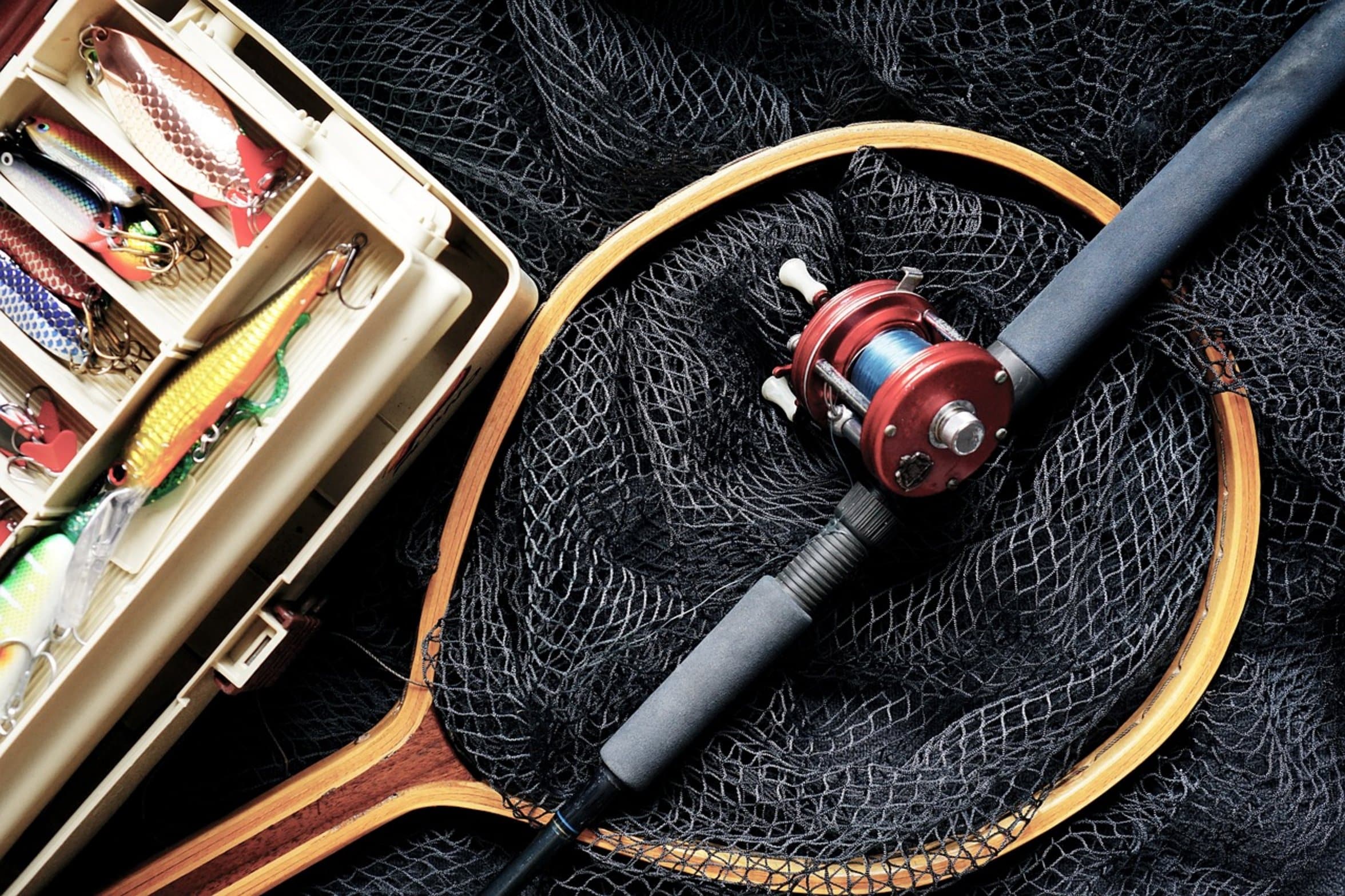
Using the proper bluegill rod makes fishing them more like a game than a chore. You’ll be able to feel that slight tick of a tentative bite and have enough leverage to drive a hook through a mouth the size of a dime without tearing it away. Selecting the right gear makes fishing more comfortabley.
Rod Action and Flex Rating
It also makes it more effective and enjoyable for both side. The most important spec to grasp here is action. Action describe where the rod bend along its length.
These days you’ll find fast to extra-fast action rods on the market which load a lot of power towards the butt. That’s awful for bluegill fishing. What you want is a slow to moderate action rod.
When the rod loads it should do so in an arch-like motion from handle to tip. This allows it to absorbs that surge of a panfish while not putting too much pressure on hook or your line, keeping the fish in the water longer and helping you lose fewer fish. The flex rating indicate how much weight it take to bend the rod significantly.
Choosing Rod Length and Power

For most bluegill fishing, a light power rating is in the sweet spot. You’re not often after trophy sunfish weighing more than a pound. Most of your keepers are going to be six ounces or a half pound.
Any bigger rod and you’ll overpower the fish and won’t be able to detect bites well at all. The light flex turns any small nibble into a noticeable movement on the tip. Not to mention, when the fish turn at surface, the light rod keeps the hook from being pulled out.
Your leverage and cast accuracy depend on rod length. Bass guys typically use seven-foot rods as that’s just long enough to cover water. Bluegill anglers don’t need anything that bulky.
More times than not, you’re fishing around docks, under lily pads, or around some type of structure where precise casts is much more important than bomb casts. I like a six- to six-and-a-half foot rod; this way, you can put a tiny piece of bait right into their face where they’re eating it. And if a fish bites, you’ll be able to work him out of the bushes without getting hung up on any underwater obstructions.
Graphite Versus Fiberglass Material
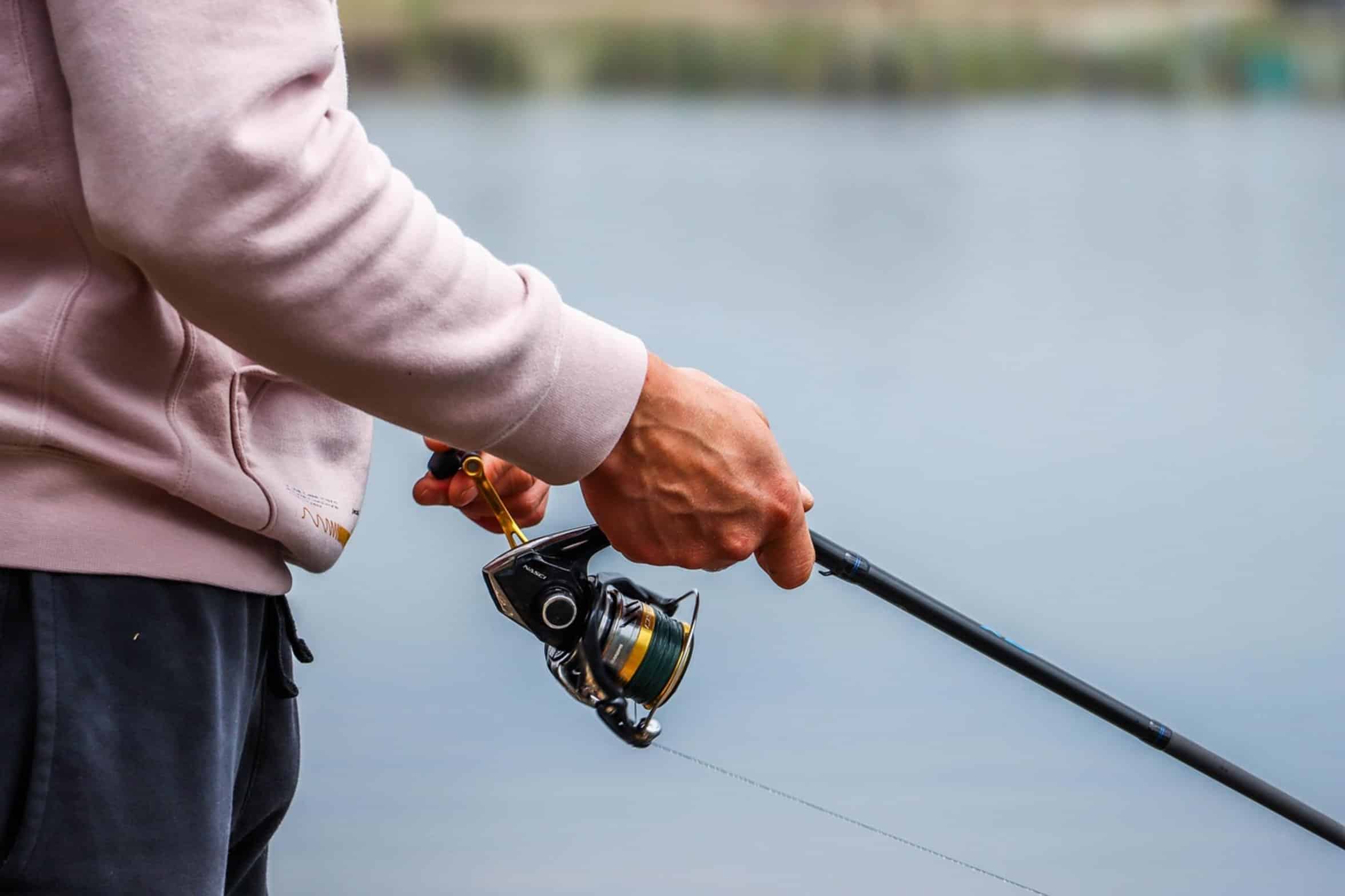
Weight matters Sensitivity matters Rods are typically made from either graphite or fiberglass. For panfishing, anglers tend to prefer graphite rods over fiberglass. They weigh less, so you won’t get as tired making many casts all day.
They are also more sensitive. When that bluegill bites, you can really pick up on their subtle vibration through your rod. While fiberglass is very strong and bendable, it’s usually not quite as sensitive as graphite to help detect those subtle bites.
Rod Tip Sensitivity
You want to be able to feel the fish; you don’t want to just see your rod tip. Presentation The tip is where it’s made or broken. Some bluegill rods has a special tip section of a different material, while others are simply an insert at the end of the rod specifically designed to improve sensitivity on the business end.
You don’t want to have a hard tip because that will cause you to not feel a small tap. But a softer more responsive tip will pick up those slight details. Seek out rods that has been praised for certain sensitivity technologies or have clear tips so you can tell when something is just blowing by versus a fish eating.
Handle Comfort and Balance
It feels comfortable in the hand. How does it feel? How comfortable are you going to be holding a rod for hours at a time as you’re waiting on fish to bite?
Oftentimes, a cork handle will outperform an EVA foam handle for that purpose. It’s soft to your hands, warms up quickly and doesn’t fatigue hand after a long day on the water. Reel seat needs to be easy and snug.
Don’t get crazy with super-locking clamps for a lightweight spinning reel. Simple makes the rod more balanced and light. The proper rod for that isn’t necessarily the most expensive one.
It’s the one that fits the fish. It is a six and a half foot or so light action but sensitive graphite rod that has enough backbone to stick ’em but also enough finesse to handle the delicate little bluegills with respect. You should of noticed difference when you catch your first one on it.
You’ll see the bite and you’ll see the fish fight.