In fresh water, we almost always start catching bluegill before anything else. Bluegill will eat just about anything too. For a minute, you can think you’re a pretty good angler.
But it takes a little more than a pack of red plastic to catch them. Most folks reaches for a red plastic bait and call it good. Unfortunatley, when the gills gets picky, that’s not going to cut it.
They’ll feed in heavy brush. They’ll feed out over open water. And they’ll be feeding up around shallow cover as well.
So you want to carry a variety of baits that work in all three scenario. You’ll also want to consider how clear the water is and adjust your presentations accordingly. That way you don’t have to guess at what to use.
Must Have Items For Bluegill Fishing
Essential Soft Plastic Baits
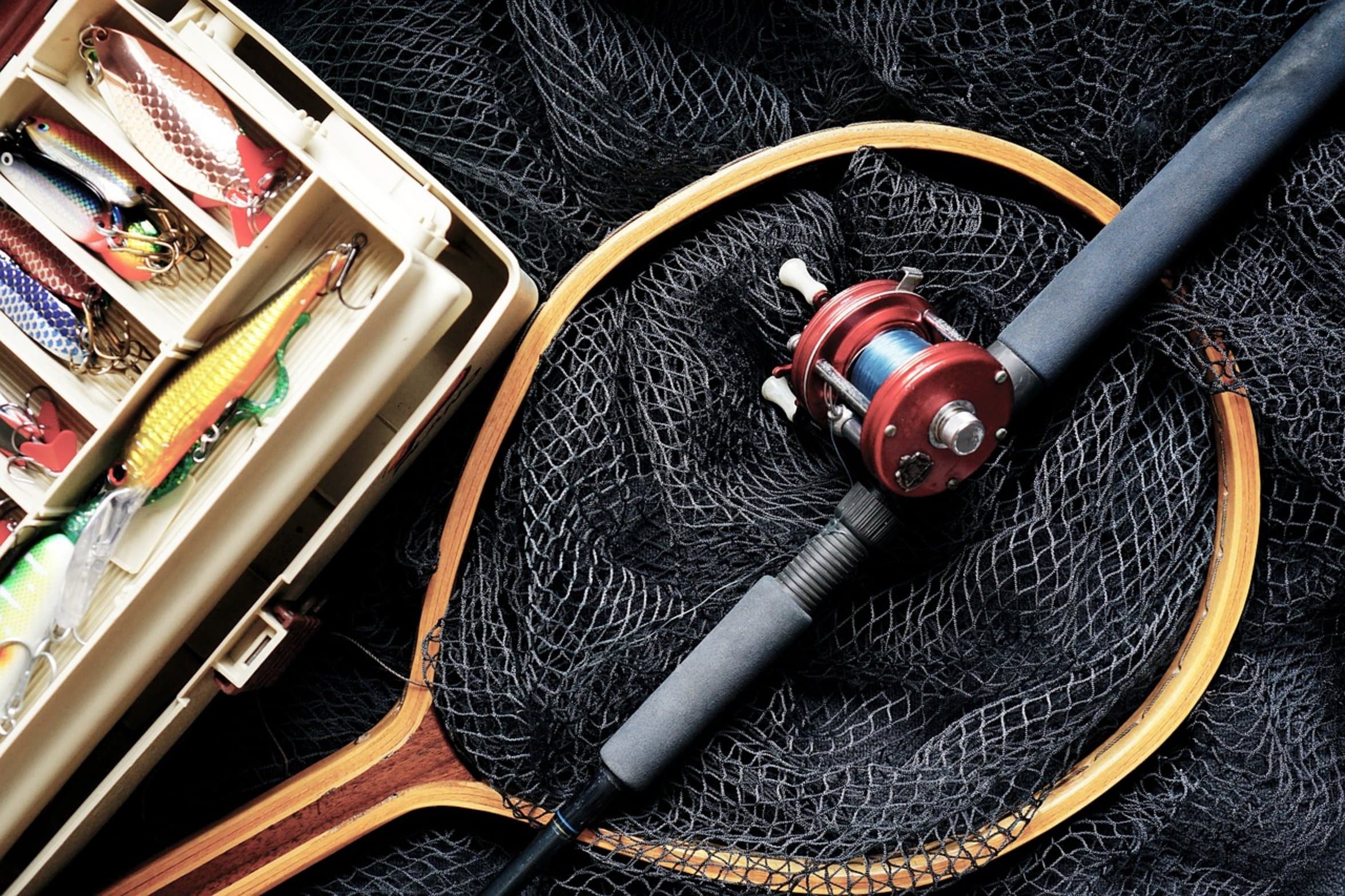
Soft plastic grubs is must-have panfish baits. They don’t require fancy tricks and they trigger that predatory instinct. An orange or chartreuse colored Berkley PowerBait MaxScent grub gets ’em curious and the action make ’em strike.
Keep ’em rigged up on a tiny 1/32 or 1/16 ounce lead or tungsten head. The tungsten is fast sinking and gives you a better feel of what’s happening in the bottom which is important when fish is holding tight to substrate.
Live Bait Techniques
For those who is serious about fishing, live bait is not dead.
A wriggling nightcrawler or earthworm have no equal. Just add a size 8 or 10 hook and a simple egg sinker rig to hold your bait down where the big feeders like it best. Make sure your line is loose enough that your bait will swim freely but tight enough so that they’re always down on the bottom where biology interests the fish.
Hard Bait Lures
For suspending or active fish, small crankbaits such as a Rebel Tracdown or Rapala X-Rap works. They dive to specific depths and wobble aggressively on edge of weeds, forcing reaction bites from fish that is not attracted by still presentations. It works particulary well in spring, when bluegill move shallow for the spawn.
Cast it to top ends of points and drop-offs where schools gathers.
Jigging Spoons and Gear
There is no doubt that jigging spoons has their place in the box. Based off how you retrieve them, they mimic insects and baitfish alike.
Jigs also allow you to fish them fast and rip them through water columns, or work them slow through muck. You can feel the vibration when a fish taps. You need to be sensitive, which mean using a light spinning outfit with 4 to 6 pound test line.
Tackle Box Strategy
Presentation accessories your odds greatly. A good set of pliers will save your fingers when removing hooks from toothy mouth. A little net keeps those trophy-sized bluegill pinned down until you can get to ‘em without dropping them on the bank.
Those polarized glasses allows you to spot structure for cover as well as see suspended fish. They’re not simply accessories; they’re tools that make you more effectve. Instead of a jumble of lures, make your tackle box strategic.
For starters, keep it simple, use grubs and basic live baits first. Then work up to spoons and crankbaits different than what you see the fish doing. White and silver will flash in clear lakes; greens and pumpkins pop in stained water.
Pay attention, fishing is half observation and half equipment. Note surface commotion, watch for diving birds and reach into your tackle box for the appropriate tool. This system should of make for a more enjoyable day on the water and put more fish in the boat.