While many of us fish for bluegills simply for fun, we forget how much skill goes into it. Not only are they surprisingly tough near structure, they’re wily and plentiful fighters on the end of line. If you’ve ever been in a skirmish with one, you know how crazy they can be; their frantic bursts can snap light line if you aren’t ready for it.
A lot of guys will tell you they don’t take it seriously, just an easy way to pass time and kill some time with cheap plastic jig until the bite improves. While those “bucket fillers” certainly help put meat in cooler, they don’t always leave you feeling fulfilled. In reality, you’ll catch ’em just about anywhere.
But you have to equip yourself with gear suited for their actions if you want to be consistent. Your setup matters The secret is not spending a bunch of money on tournament gear. Instead, buy equipment based off budget but with proper selection.
You want a good rod, line, and hooks, so you’re maximizing your hookups while minimizing the number of fish lost because of bad tackle. Most often, this means fishing near timber laying on bottom, weed lines or docks, all of which require sensitivity and skill. Your cheap gear won’t provide clarity to feel those tiny bites from bottom.
That’s where upgrading comes into play, and by no means am I saying get the most expensive rod possible. Upgrade your stuff by getting something you can trust that shows you what’s going on down there. This is where your money goes.
Essential Bluegill Fishing Gear Recommendations
Choosing the Right Rod
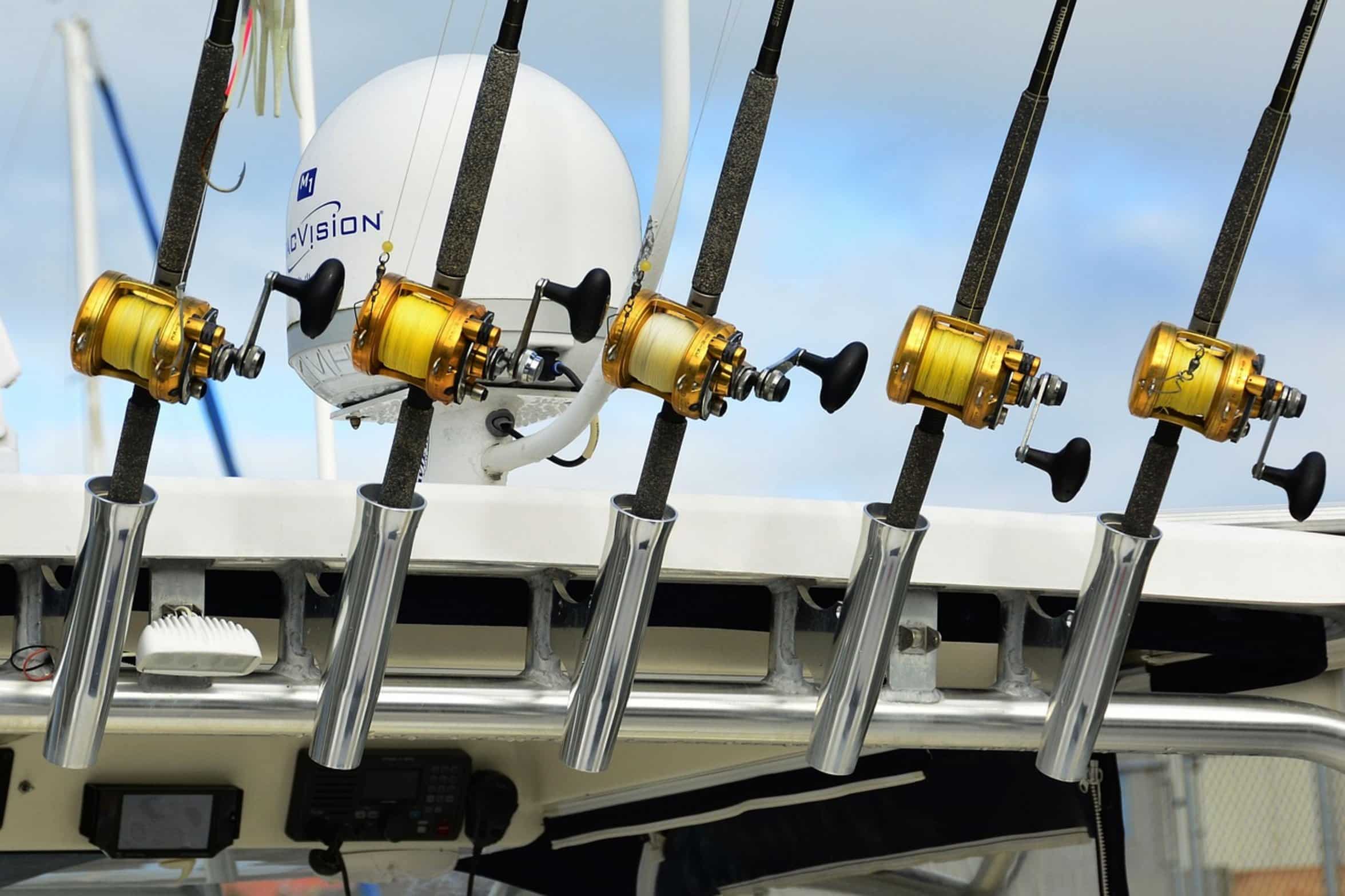
This is where the rod gets some bang for the buck. You do not need a heavy power rating for bluegill, but you do need sensitivity. For bluegill you want a light to medium-light action rod.
It should be constructed from graphite or graphite composite. Graphite conducts vibration better then fiberglass. So you want something that’s going to help you feel that distinctive tap when a bluegill sucks on your bait.
The bite is very different than what a walleye or bass would give you. Too soft of a rod and you can’t set the hook well. Too stiff and it mask the bites.
Seek out brands such as St. Croix or Ugly Stik. They both has solid rods in the medium-light size around the fifty to eighty dollar range. These rods will allow you to lift fish out of cover without breaking your line.
They also have enough backbone. A lot of guys lose fish that shouldn’t get away due to their line choices. Although there’s still a time and a place for monofilament, if you’re fishing tight quarters you’ll appreciate the benefits of using braided line.
Using Braided Line
Because it has zero stretch, you can feel everything the fish do and instantly set the hook on light bites. When you have good visibility in the water, those little bluegills are more likely to bite smaller hooks and lighter weights. You can do this with braid because of its small diameter.
You want to go with 40-pound test or higher braid (Sufix and PowerPro both make great braids) because they holds up well to abrupt runs and will part grass without any problems. Since braid shows up in clear water, a fluorocarbon leader is necessary if you want to stay stealthy. With this combo, you’re getting sensitive and stealthy all-in-one.
Selecting High-Quality Hooks
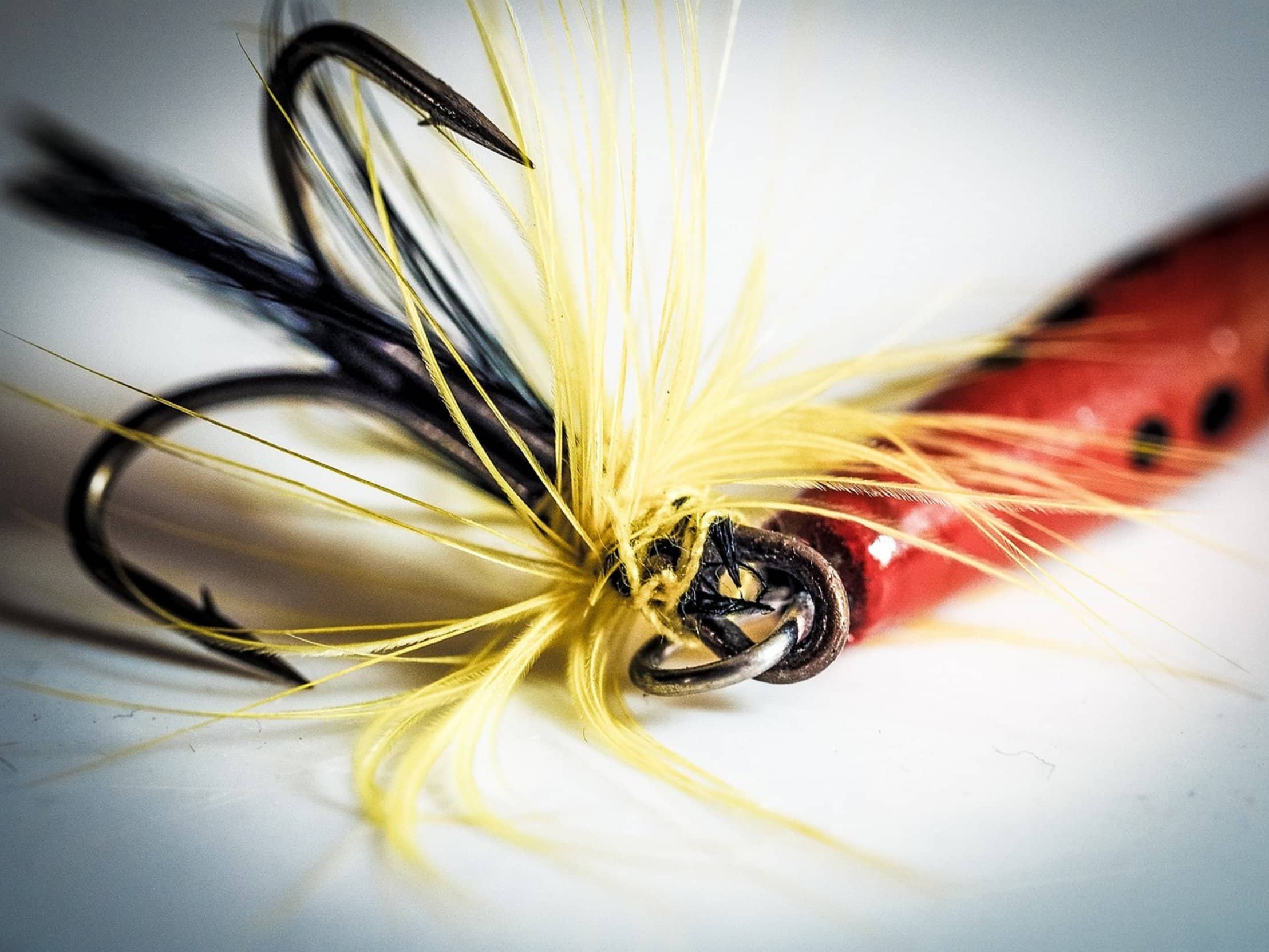
While hooks and jigs are consumable items, it pays to invest in good ones. Poorly made hooks with brittle points will bend or even break when pressed. If your hook hits wood or rock and bends, you will lose the fish.
Buy high-quality hooks manufactured by such companies as Owner or Gamakatsu and they’ll retain their strength and sharpness for a long time. Use a size one to three curly tail grub or small plastic tube bait on jigs. Make sure presentation matches the forage and a weedless hook design is necessary if fishing around weeds.
There’s nothing worse than hanging up on every cast. A well weighted jig that falls slowly through water column gets more bites than one that smacks the bottom. Brute force doesn’t beat precision.
Adjusting Presentation Accessories
And lastly, there are presentation accessories. Using a sliding sinker rig or a simple slip bobber stopper can extend your vertical search. Depending on the water temperatures and time of year bluegill will suspend at various levels.
Being able to fine-tune your depth quickly without having to re-rig everything can save time and keep the fish biting. Split shots added to top of float let you drift fish for natural baits such as crickets or nightcrawlers. It takes some patience but pays off in big fish.
A couple packs of weights and a few beads are the only investment here but the variety of uses is very high. You adjust to what they want instead of making the fish come to you at your fixed depth. Good spending money makes bluegill fishing more of an active hunt than throwing it out there casually.
You are in tune with what’s happening when you feel each strike. You control how it comes into the boat, and you have confidence in your presentation. The rods, line, and hook combination make a team effort, rather than individual components.
Spending wisely allows for catching more fish and having more fun doing it. That’s a big payoff for a little investment. It is a small investment that pays off in every bite you detect and every fish you land.
Bluegill trips go from “wait and see” to “get ‘er done”.