A Crappie is not going to give you the bone-jarring fight of a pike. It’s a quiet way to catch a fish. That little tickling feeling on the end of your line lets you know there’s something there.
From flooded timber to rivers to lakes, crappies is everywhere across North America. Often called the gateway species, they’re a great starter fish for those learning how to fish and enough of a challenge that experienced fishermen still get hooked. They’re forgiving if you’re new but can be a test for the more skill-minded angler.
Crappie fishing is about finding the fish. It’s all about location, precision and patience. Crappie group up on certain types of structure, but don’t always love to bite eagerly.
You have to present the right bait at the right time and be able to find the school. If not you’ll go home with nothing while others put a bunch of keepers in the cooler. Knowing how to get the bait near them and knowing where they’re positioned is often the key to success or failure.
Crappie fishing isn’t as easy as it may seem. It takes a lot to be successful at catching them. There’s no need for all the fancy equipment, just the knowledge on how to fish ’em.
Complete Guide To Catching Your First Crappie Fish
Why Crappies Are the Ultimate Gateway Species
Knowing when to go, what kind of tackle to use, and reading the water are what it take. When you get those down, you won’t have any trouble catching that first crappie. Crappie are a cold-water fish.
Best Times and Seasons to Target Crappies
That’s why gear isn’t nearly as important as the time of year. In the north, early spring is a great time to target crappies; they like that 50- to 60-degree range and once the water temperature reach those levels, they’ll push shallow to spawn. The other sweet spot is late fall when they’re feeding up for winter.
In summer months, when heat gets turned up, you’ll find crappies deep again and less cooperative. If you can wait until seasons change, you’ll have more active fish to chase, but chasing them in hot weather are frustrating. How do you find crappie?
Using Fish Finders to Locate Schools
Look under the water. How can you look under the water without proper equipment? Enter the fish finder.
Locate brush piles or submerged trees with your fish finder. Next, you’ll be looking for target-rich areas. Dense clouds of targets that signal presence of a school of crappie.
Often they’re tight to structure; if you’re boating, scan along the edges of weed beds. If you’re walking the shore, try casting around cover. If you cast your line out there into open water, you are probably just fishing empty space.
Essential Rods, Reels, and Line Selection
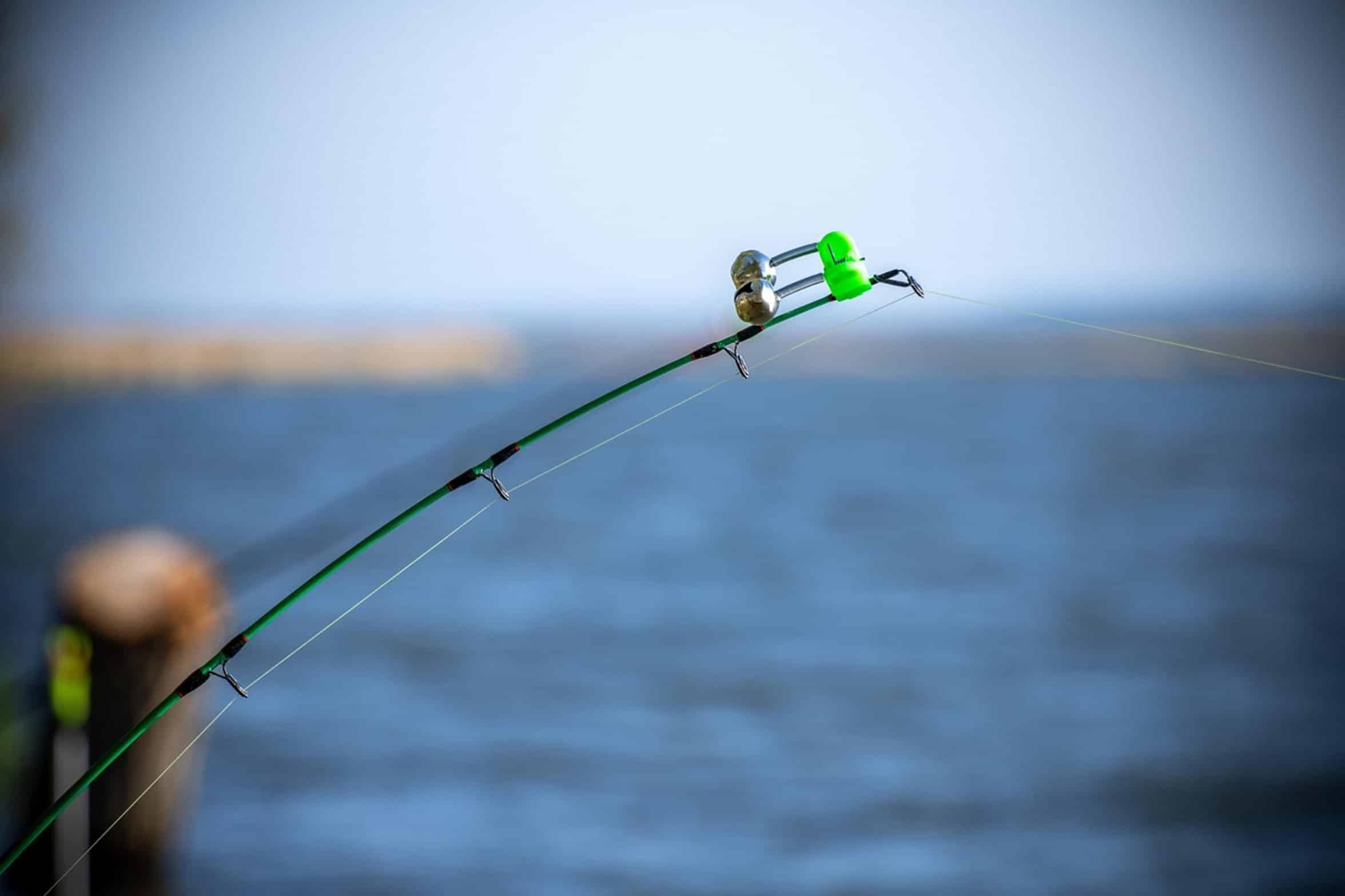
Sensitivity is key on your setup rather than power as a crappie’s mouth is soft and heavy tackle can tears hooks out. Use a six to seven foot light or ultra-light spinning rod for sensitivity to feel tentative bites. For line, use four to six pound test on a reel spooled up with monofilament.
The extra stretch helps keep the hook in place, so it is often better. Try not to get fancy and just let them eat and go simple. Braided line can also be too stiff and doesn’t stretches like mono.
Choosing Live Bait and Artificial Lures
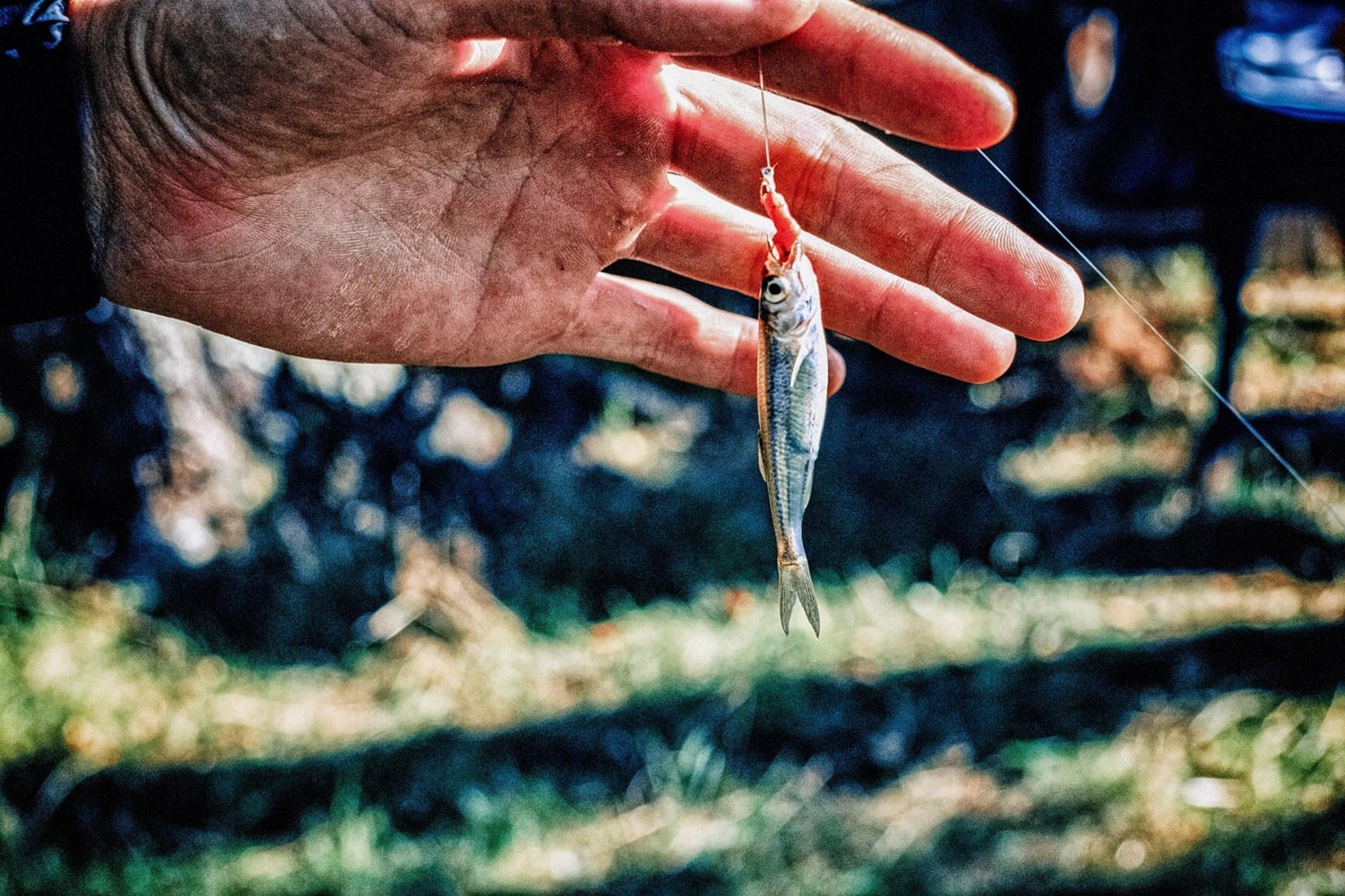
With live minnows, the presentation is rigid but the bait is flexible. Use a small shiner, hooking it through the nose so the fish sees the natural action. Artificial alternatives: Tube baits and tiny marabou jigs is good choices.
Key: Size, since crappie mouths are small. Present something less than an inch long, or they’ll inspect and swim away. To immitate forage, trigger strikes by matching size of local forage.
Retrieval Techniques and Hook Setting
Reel it in slowly. This is where many beginners make a mistake when retrieving. Crappie don’t run down fast-moving baits like aggressive predators.
They ambush their prey. Reel your bait down to the bottom and reel it up gradually with intermittent lifts that cause it to flutter back down. The deeper the water, the more time you should of allow the bait to sink.
Wait until you feel the tension of the bite get firm and then set the hook. You break the hook set if you jerk the rod too soon. You’ll notice a slight pause in your line.
How Weather and Patience Affect Your Catch
Surprisingly, weather can also play a part. When the air pressure stabilizes, crappie will feed well. Feeding frenzies may occur with a clearing sky, while they can be shut down with a moving front.
If it’s windy, that can work for you as it pushes bait up on the shoreline. Shore fishermen cast into the wind because the current brings the scent of the bait to the fish. Adjust your depth if the bite gets cold.
Calm water can be spooky. The last ingredient is patience. You can sit over a spot for 20 minutes and not get a nibble.
Crappie schools will linger so don’t give up too soon. Change depths by five feet if you’ve got the structure pegged and stick with it. Vary the jig color (red shows up well in off-colored water).
Keep experimenting until you find something that gets a response; getting that first bite is always the hardest part. There’s nothing more exciting than feeling that fish hook itself. Even if it’s just a small crappie, they put up a fight that tugs on your heartstrings.
That silver flash in the water is beautiful. Knowing you caught something makes all the time spent worthwhile. Fishing becomes not just a hobby but an activity where the beat and reward are always present.
Get your lightweight rod ready, string on a tiny jig, locate some standing timber and look up water temps. Then hit those best times and let the first crappie know he/she has been waiting for you.