Anglers choose the Bobby Garland body for its unique build. The body combines a hollow plastic tube with a flexible wire spine. That means it move and floats, things solid plastic beads can’t do.
If you’re wondering what all those bodies is doing in your box, that’s understandable. You have standard colors like black and white. Others are see-through (pink, olive).
Some are metallic (silver, gold). When you grab one out of the box, it’s a bit of a crap shoot. Not so much when you know how it work.
A good body makes a dead fly swim like a shrimp. A bad one sits on the bottom, where the trout won’t touch it. So what’s it all come down to?
3 things. Water clarity. Fish behavior.
And the body type you’re trying to imitate. Every variation of Bobby Garland has its place. Some for general use, others for imitating particular food.
Some for clear water finesse. Others for murky chaos. When you know what tool to grab, not only does it save time on the water but it drastically improves your strike rate.
Below we’ll go through the most popular bodies and when to use them. Learn when to break the rules and when to trust the classic.
How to Choose Bobby Garland Bodies
Why Bobby Garland Bodies Work
Choosing Black Bodies
Body Black (Standard), Black imitates the dark outline found on many small crustaceans and other aquatic insects.
To trout, there’s no mistaking that silhouette. That’s why it’s a workhorse for the lineup. When conditions are neutral, a black body is your safe bet.
On sunny days, especially in clear water, it offers enough contrast to stand out to the fish. They’re seeing something solid against an otherwise bright backdrop. And it’s more than just about visibility, it’s about firing off their built-in strike response.
If you’re fishing deep, then the black body comes into play as well. Because it absorbs light, it allow for a contrasting profile in even shadowy water. So use it if conditions are neutral.
It is the safe bet when you are unsure. But don’t lean on it in really heavy shade or stain.
Translucent and Natural Colors
Another benefit to translucent bodies such as natural, pink, and olive is their ability to let light through.
Light shines through the body creating a slight shimmer that resembles the inner workings of an actual prey item. When you’re in ultra-clear water, this added detail can make all the difference. Trout are picky in gin clear water.
They’ll look you over before deciding to bite. A clear body eliminates some of that hesitancy as it appears less man-made. Olive pairs nicely in waters with tannic staining or around grassy stream banks.
It blends right in with the native debris but stays prominent enough to see. Pink is great if you want to mimic something along the lines of small baitfish or even some mayfly nymphs. It provides a little pop of natural color without screaming at the trout with a loud attractor color.
Use these if you really just want to get down to business. Their downfall is that you do need to be a bit more spot-on with your presentation. They won’t call fish in from long distances like a highly contrasting color might.
When to Use White Bodies
They work There’s a reason why white bodies exist. They’re dynamite in low visibility conditions. If you have muddy water and the river is up, a white body will be a beacon.
Light reflects off the surface to make the fly visible, even if there is a ton of sediment in the water. That makes all the difference on an overcast day following a big rain or during spring runoff. You want those fish to see you in the mess.
And white also does a good job at imitating bigger offerings such as baitfish or small crayfish. The reflection of a white body mimics the reflective scales of a live fish. It trigger aggressive strikes from larger trout.
Just remember: be careful about using it in clear water. In these scenarios a white fly can appear unrealistic and scare away wary trout. White is a condition dependent tool.
Don’t rely on it as your go-to. Use it only when you know the target species requires a highly visible offering or when the water color screams for it. The contrast it offers is unmatched in tough conditions.
Metallic Silver and Gold
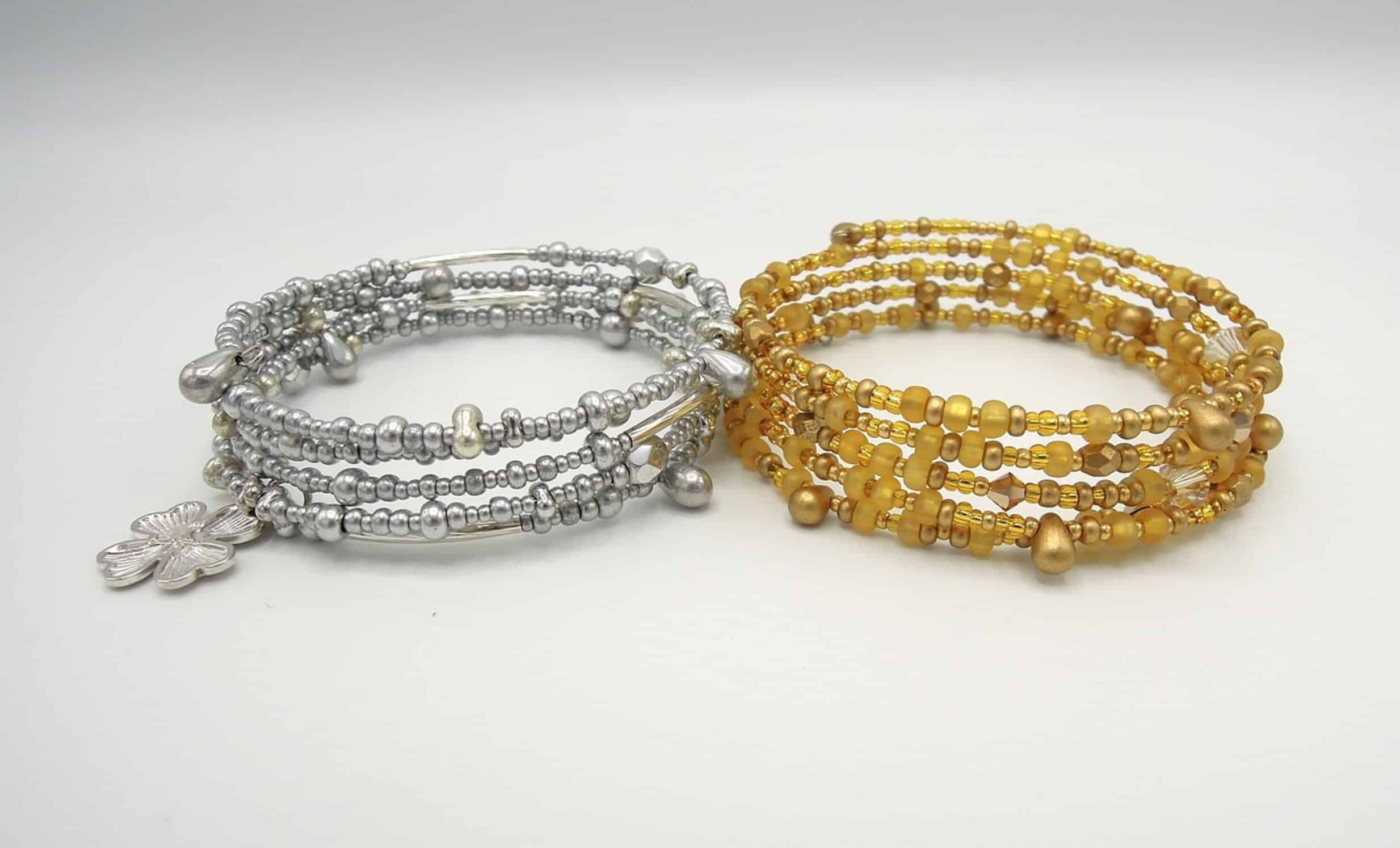
Add some flash, Shiny colors such as silver and gold add a flash element to your fly. Their purpose is to draw attention by catching the light. That’s especially effective in flowing water.
Current causes your fly to move, and the metallic body will amplify that movement. The flash also imitates the scales of baitfish or the gills of nymphs. And it pulls attention from farther away than do matte finishes.
That’s important if you’re fishing riffles and runs where fish hold deeper. You have to get its attention before you can offer up the fly. Generally, silver works best in overcast skies or cooler water, while gold does better during the day or in warmer water.
Matching the flash to the ambient light is key. Too much flash in the bright sun looks unnatural. Not enough flash in the dull light goes unnoticed.
Vary your choice according to the weather. It’s a dynamic component of your strategy.
Attractor Colors for Search
Other colors such as purple or chartreuse have a completely different use.
Again, I am not trying to mimic anything in particular but rather using their aggressiveness or curiosity. In most conditions these colors stand out well. You can use them as search patterns when you can’t find fish that are actively feeding on something else.
The bold color cuts through the clutter of the stream bed. It stands out against vegetation and rocks. That will often prompt strikes from non-feeding fish.
These fish aren’t actively targeting natural food items but are hungry, irritated, and triggered by the brightness and movement. Sometimes they can scare away shy fish in clear water. Use them when you’re trying to cover water fast.
They are great for testing new areas. If you don’t get bit on a more natural pattern, try an attractor. It will tell you whether there is fish around that want to bite, and how willing those fish might be.
It is a diagnostic tool as much as it is a fly.
Matching Body Size
Body size is equally important as color. A larger body is going to push more water and float better.
It’ll keep the fly up in the water column. That’s good if you’re fishing deeper or need the fly to stay off the bottom. For smaller nymphs, a smaller body will sink quicker and is more life-like.
Size it to the potential meal you think they are eating in that stream. Are you fishing tiny mayflies? Then go with a tiny natural or black body.
Wanting to target some big trout eating crawfish? Go with a big white or gold body. The right size really makes all the difference.
Too big and your fly won’t look natural. It sits too high. Too small and it sinks out of the strike zone.
Think about what they are livig around and what their most likely food would be. You know the imitation will be believable.
Fishing Multiple Flies
Sometimes having multiple flies on one rig works as well.
Try a heavier, quicker sinking fly on the end of the line (point). Follow that up with a more buoyant or appealing fly on the dropper. This will cover more water.
It will trigger fish. It also lets you play around with flies without having to swap them out all the time. Let’s say you have a tiny natural nymph tied on the bottom.
Follow that up with a slightly bigger attractor color above. The lower fly hangs in the strike zone while the top fly attracts attention. When the fish are suspended at various depths this can really work.
Your odds of getting a take go way up. Two flies is something that takes some practice. But it can pay off big.
Something you should of learned. It opens up your approach.
Conclusion and Strategy
So in conclusion, what body to use?
Well, it comes down to matching the conditions. Not one is always better than another. To figure out which fly to throw, you need to read the water, understand how the fish are behaving, and match the specific imitations you’re trying to mimic.
Realism and subtlety are the key for clear water. Visibility and contrast are needed in murky water. Brightness and flash work well in low light.
Darker tones might be better in high light. Begin with the classics. Find out what they do on your home waters.
Next try various sizes and colors. Write down what does what. Over time, the patterns will come together.
Eventually, your gut feeling will guide you to the right choice. It won’t be guesswork so much as a strategy. The box of flies isn’t a library but rather a toolbox.
You take out the proper tool and use it for the job. The river will tell you what she wants if we listen closely. She’ll let us know what the right body should be.
And it matters.