When you think about crappie fishing, most guys immediately envision deep-diving crankbaits or flashy topwater lure. That action makes a splash and gets you excited instantly. Glide baits occupy somewhere in the middle of that range.
They represent a completly different type of lure. They take patience and are more subtle, but they can be even betterer. People think crappie will only hit something moving by them.
Of course it’s true. They also ambush stationary and suspended food source at an alarming rate. And that’s exactly what a glide bait does.
Mastering Glide Bait Techniques for Crappie
Understanding Glide Bait Mechanics
It’ll ride one side of the water column and then glide to the opposite side on its own without any effort from you. That’s an irresistible trigger for wary fish. Now, knowing how it works makes you a better fisherman with it.
Instead of twitching it along, you let the water work it for you. That’s the secret to an internal weight system. If a glide bait is well balanced, it will stay in place floating on surface or suspended in the water column.
That’s what good fishing tackle do that bad tackle doesn’t. It’s an easy concept but deceiving in its simplicity. The bait has a weighted core inside a hollow body that will move with the lure.
On your retrieve, weight shifts to one side, causing the lure to swim laterally. As you pause, gravity pulls the weight back, shifting the lure to opposite side. No need to twitch your rod.
Triggering the Predator Instinct
It trips the predator trigger Crappie are ambush predators. They see something and they acts on what they see. The side-to-side action mimics this.
A minnow or other baitfish that is either wounded or simply floating in one spot appear to be an easy meal for a crappie to catch. If you move it at a constant pace, it resembles either of those options. It’s not moving away from the predator.
It is a stationary target that the predator do not want to chase.
Perfecting the Retrieve Technique
Retrieve: Many anglers also make a fatal mistake by reeling it too fast. That’s what kills its glide action.
When you reel it in too fast, it won’t have time to get all the way back over on itself. Instead of gliding, it’ll either start spiraling around or wobbling. Slow down and let movement phase last as long as the pause.
Matching Buoyancy to Depth
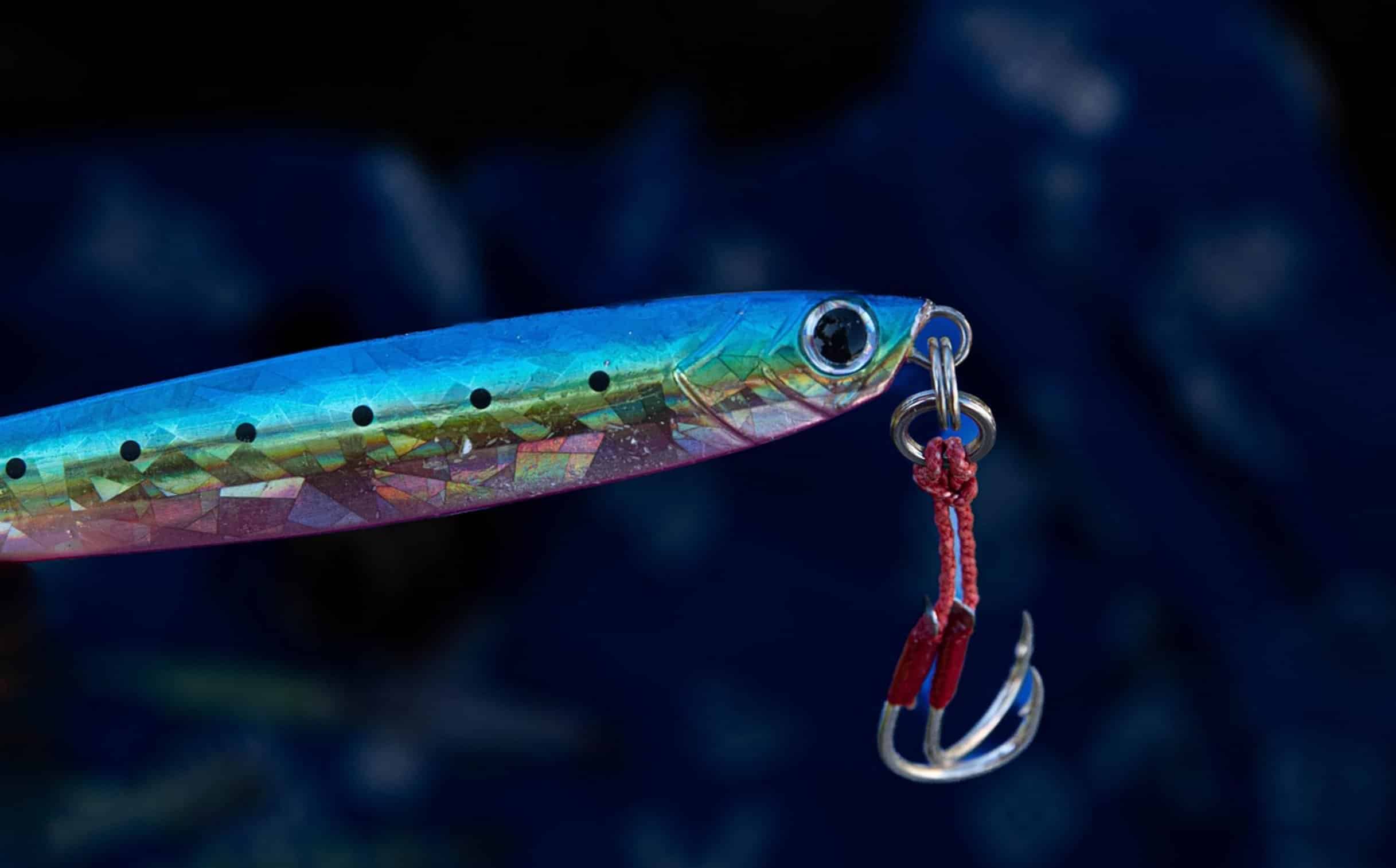
Another key is depth control. Wherever the crappie are suspending will depend on their location as well as water temp. There is glide baits of varying buoyancies.
Some are neutrally buoyant. Some will float and some will sink. Match your bait’s buoyancy to the depth where fish are suspended.
You can also find a lot of applications with floating glide baits as they hang around the top of the water column. And there are some sinkers that let you hit those deeper schools along docks and ledges. Then you have neutral buoyant models that will help you suspend it right in front of the fish.
That flexibility is what makes glide bait so essential.
Choosing Color and Brand
It’s not as much about color as you might believe. Even though crappie see very well, they reacts more to motion than to color.
The pearl and silver colors does best in clear water while the darker colors offer more contrast in dirty water. But once again, it is all about the action. These designs have been perfected by brands such as Zoom and Keitech.
They offer a soft plastic glide bait that’s balanced perfectly and looks incredibly real to the touch. Companies like Heddon make great hard bait options too. It doesn’t really matter which brand you choose, just pay attention to how it balance.
Testing and Patience
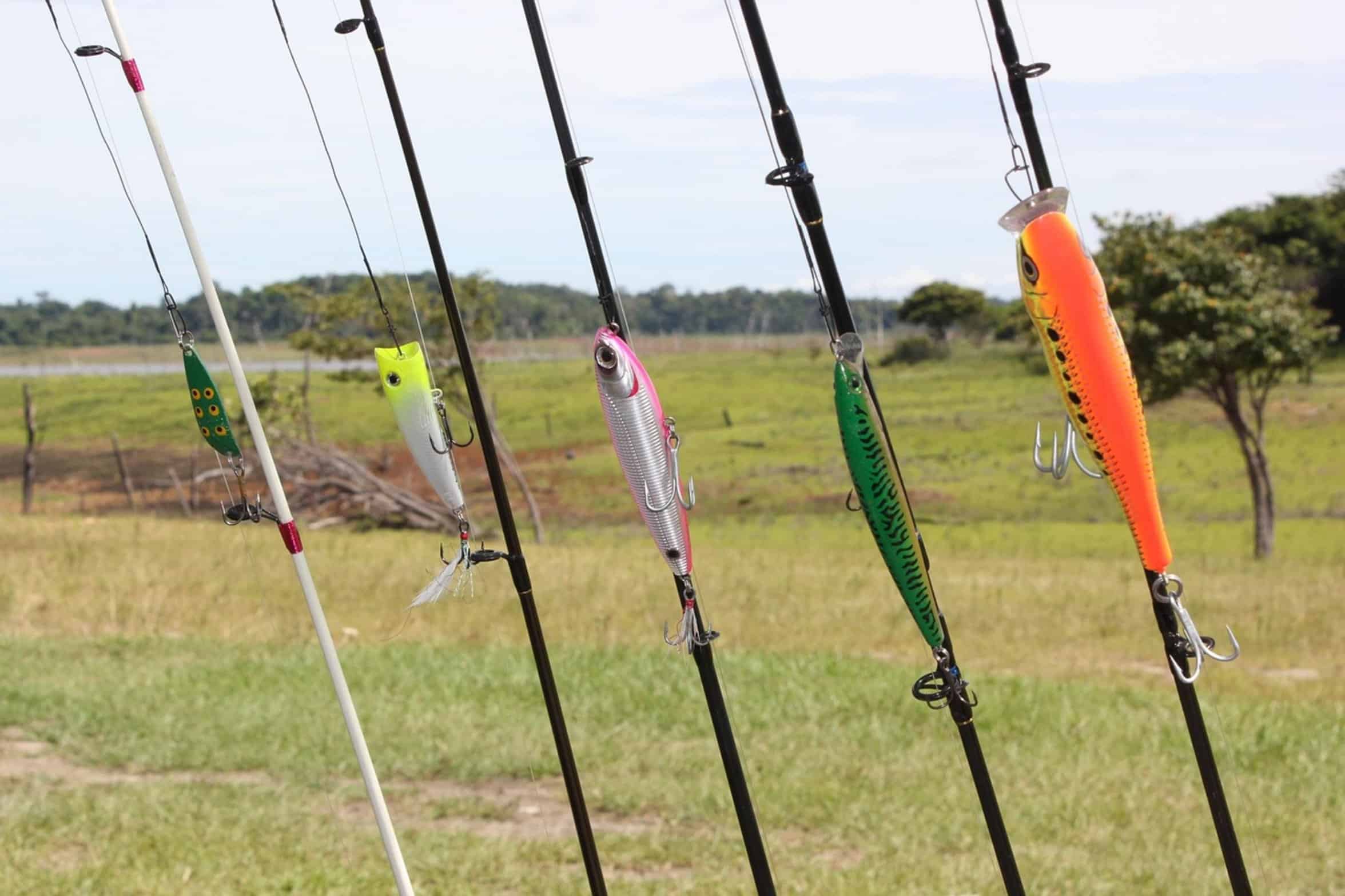
Try it before you fish Throw it out there. Slowly wind it back in. See what it does.
If it runs true and glides well then go ahead and fish it. If it’s not running right, slow down your retrieve or find another lure. Keep it consistent.
Patience is the final ingredient. Trusting the action of the lure is most important. You should of don’t twitch it or jig it around.
Let it glide and they’ll come to you. And again, think about this initial idea of flashy lures. Being subtle often works better than loud splash.
Quiet glide always trumps loud splash. Take your time with the bait and see the results reflected in your catch rate.