When it comes to choosing a spinning reel for crappie fishing, pick one appropriate for the situation. Crappie is spooky critters and when they strike, they do so in sudden, uneven spurts. The reel are the primary link from your hand to the fish.
For best performance, you require a reel capable of delivering both smooth retrieve and high sensitivity. Additionally, drag must be adequate to sustain an unexpected strike without compromising your line. A lot of people relies on bass reels for this application, but this is not good.
How To Choose A Crappie Spinning Reel
Why Bass Reels Are Too Heavy
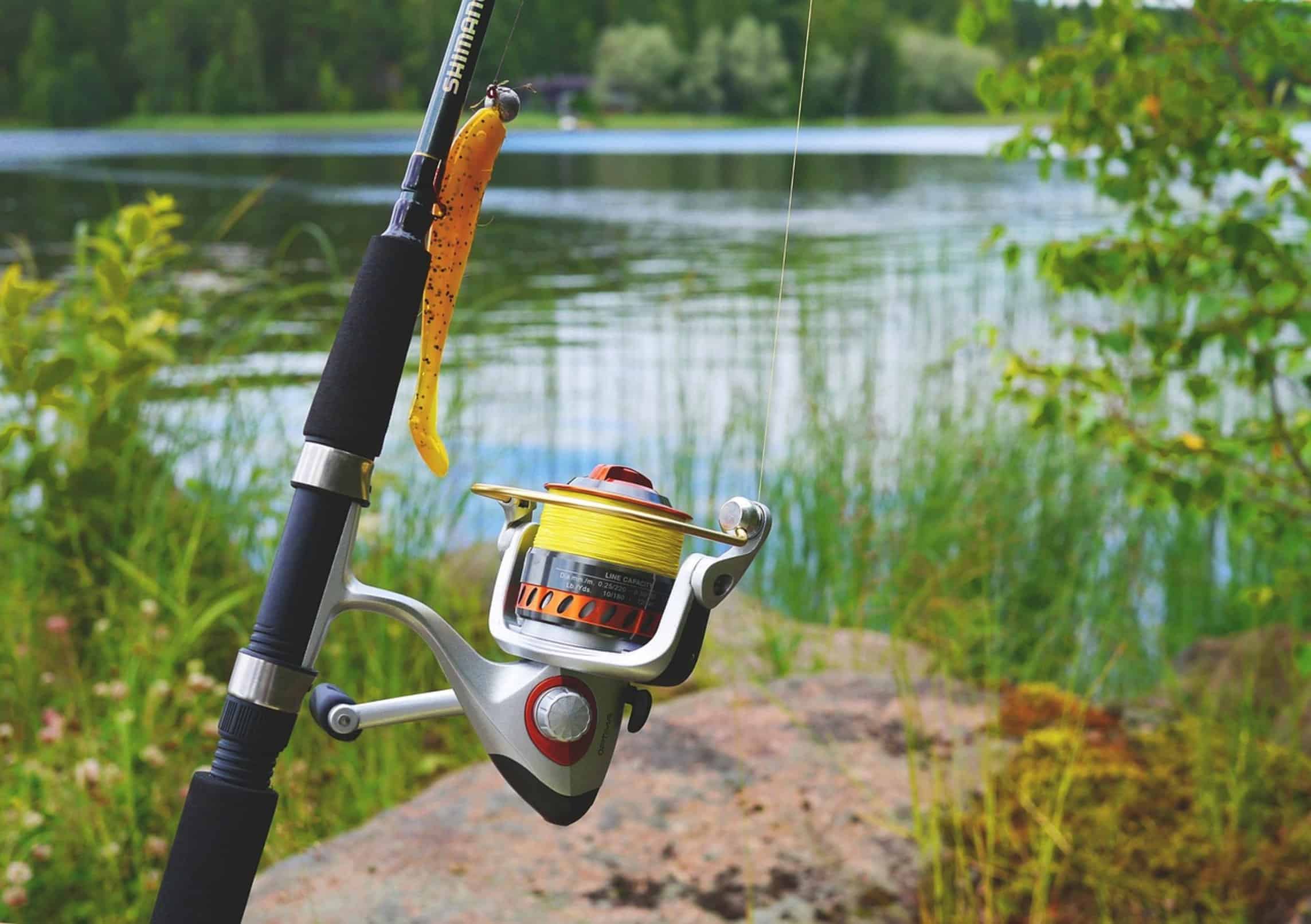
Bass reels is simply too heavy; they will snap off lines and turn an otherwise enjoyable experience into a frustrating one. For the delicate nature of panfishing, consider a lighter reel.
Choosing the Right Reel Size
First thing you want to think about is reel size.
For this style of fishing it’s best to use smaller reels. I’m talking size 500 or 1000 class models. These reel are lightweight which doesn’t tire out your wrist from throwing tiny jig all day long.
If you use a larger reel you’ll notice that it’s awkward and feels like work to make a cast. Companies like Daiwa and Shimano makes great micro reels for this application. They’re balanced, compact and designed exactly for finesse techniques.
Gear Ratio for Crappie
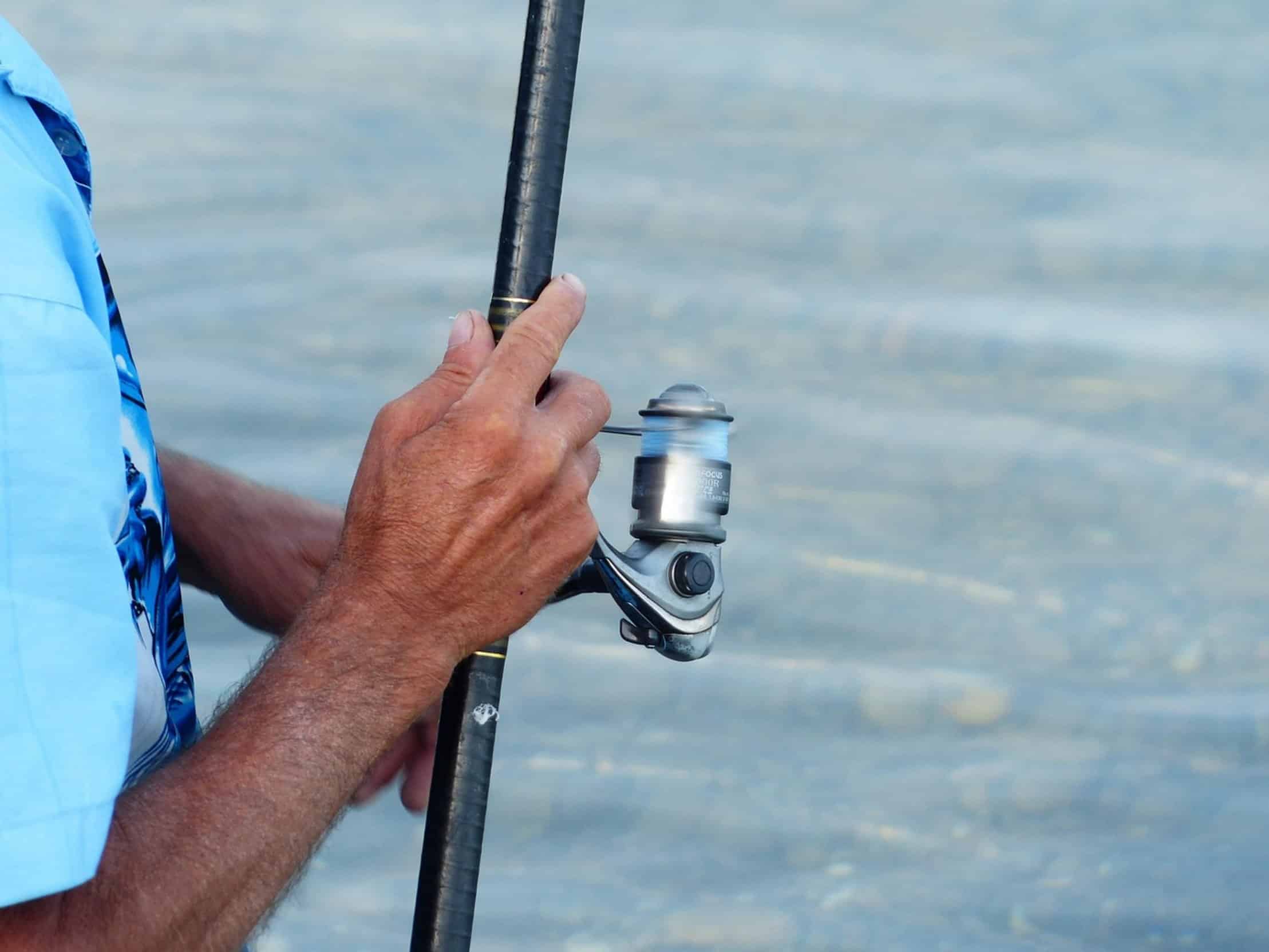
Consider gear ratio next. Crappie don’t go far. They jumps around and dart here and there.
They gets hung up and then hang again. Having a high-speed reel won’t help you catch one any faster. In fact, you want a low to medium gear ratio (around 4.9 to 1 or 5.4 to 1).
That give you more torque. When it’s time to pull a crappie out of cover or crank through some weeds, that will help you get them out without stripping all your line. A high-speed reel feel like it moves fast but lacks the muscle of a lower ratio for light line applications.
Importance of Drag System
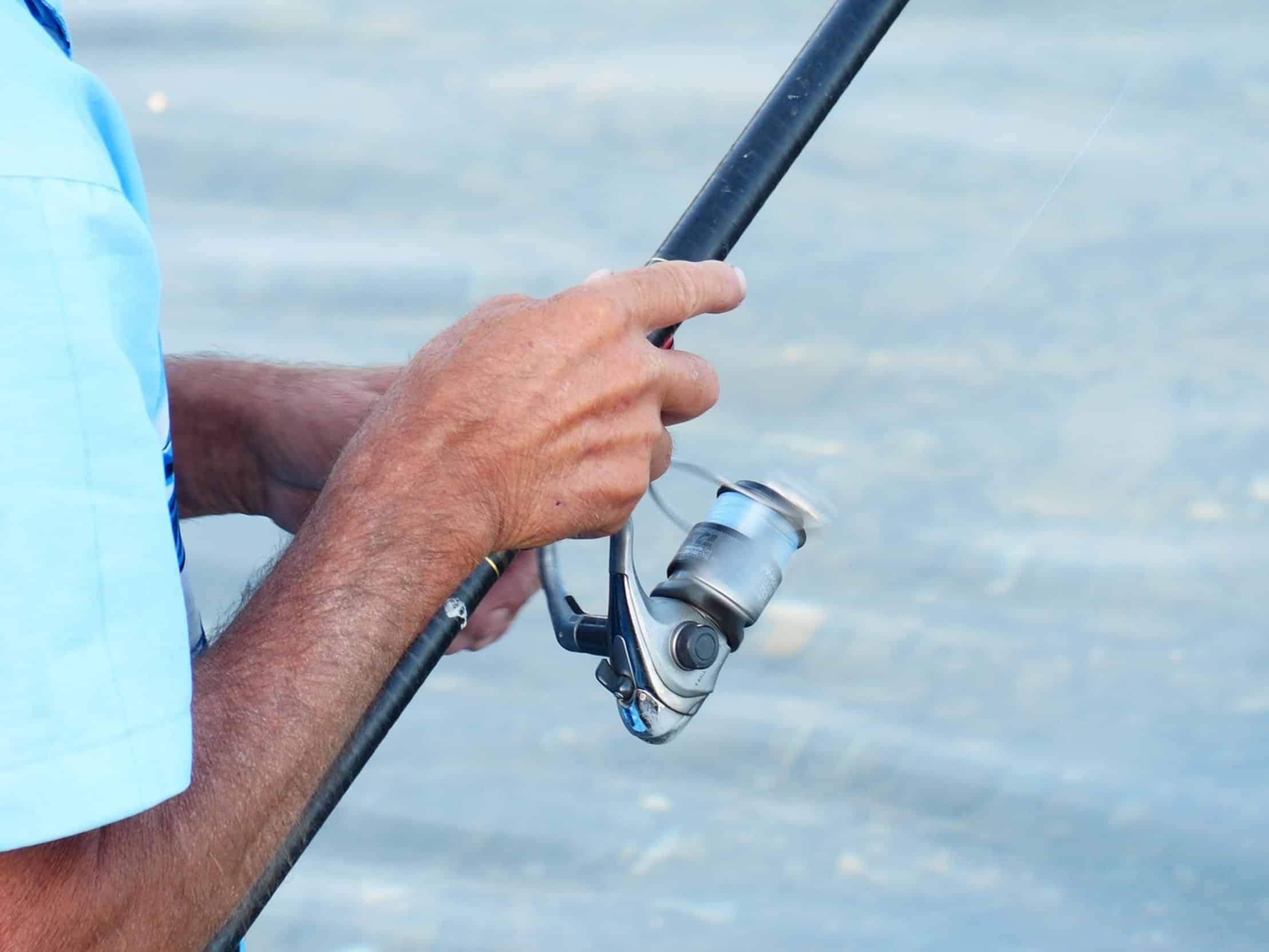
This is a drag system. It’s also critical to have a good drag system. When you hook into a crappie, it gets real aggressive.
Even if it is a little one, it will still try to make hard move. Jerky or gritty drags will snap your four-pound test line in an instant. Seek out reels that feature a sealed drag washer.
They are smoother over time and work well in wet situations. Having a smooth drag lets you let them run and not break off. It’s a safety net and you hope you don’t ever use it but man, you count on it when you do.
Corrosion Resistance Features
Another consideration when shopping around is corrosion resistence. If you do any kind of fresh water crappie fishing, it’s likely on lakes with some mineral content in their water. While saltwater is easy to just wash away, freshwater minerals will bake onto your mechanisms if left unchecked.
Seek out anodized aluminum spools and stainless steel shafts. Those materials resists rust and pitting much better. The internals of a reel may be junk even though it look nice on the shelf.
Weight Distribution and Balance
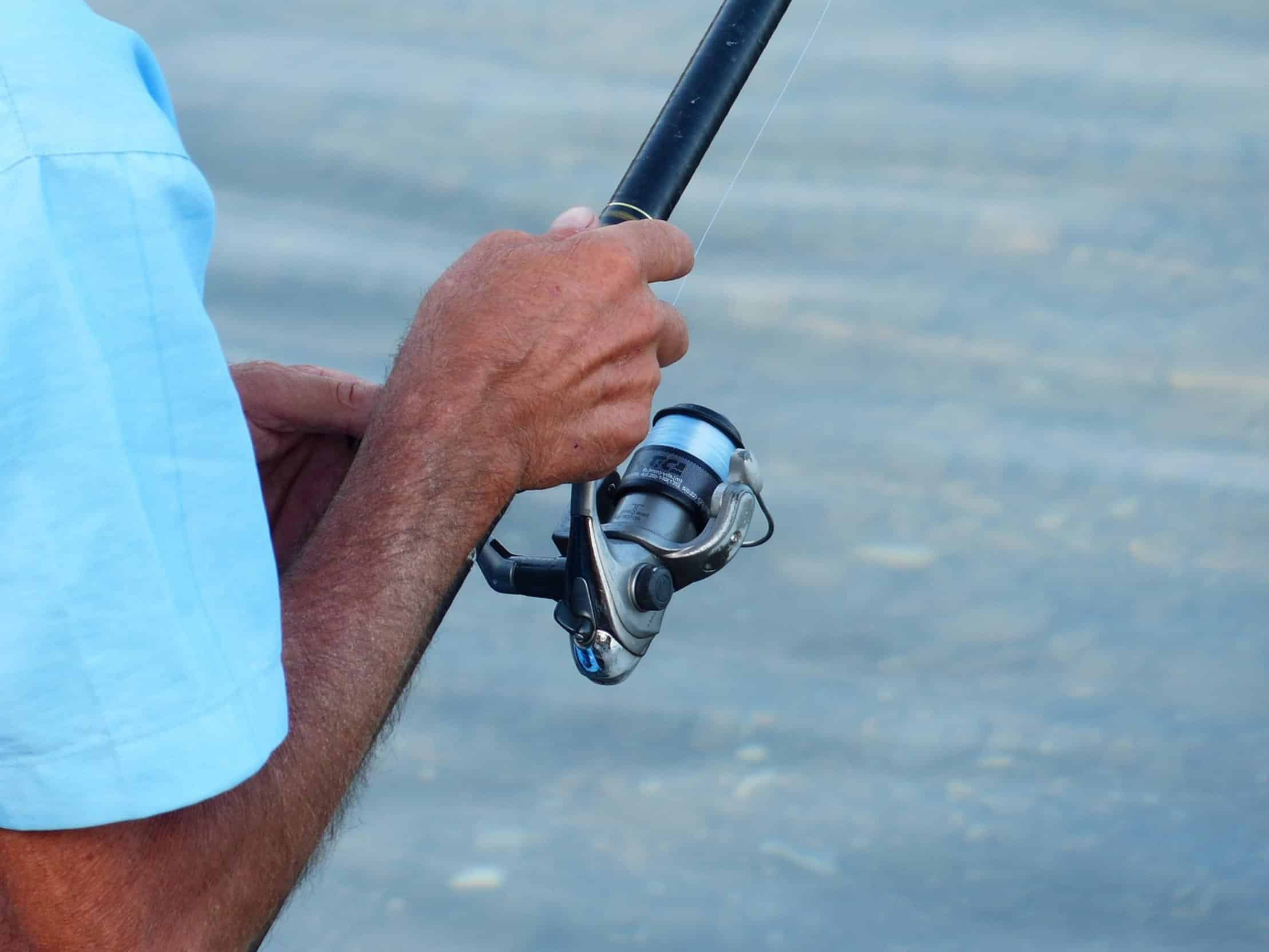
The final piece of the puzzle comes with weight distribution. The reel needs to feel neutral in your hand on the rod. Too high on the top and it feels like it’s hollow.
Too far down in the butt of the reel and you can’t keep your hand on it because your hand cramps up. So try the reel on the rod first. Balance is personal preference but it’s critical.
When balanced right it’s like butter when you make a cast. It lets you concentrate on the water not your gear. A reel is one of those small decisions that makes a big difference.
It is a small decision that allows you to have a close connection with the fish. It provide a smooth presentation instead of annoying tangles. Knowing when you felt a bite because you had a perfect micro reel in your hands.
The gear goes away and it’s just about the fishing.