Late spring sees the water turn to glass. It’s a certain hush you can feel on the lake. Trout is holding out deep.
Bass are off of bed. Crappie is schooling up and waiting for some bait fish to swim by. And it’s what freshwater anglers wait all year long for.
Everything You Need To Know About Crappie Rods
Late Spring Fishing Conditions
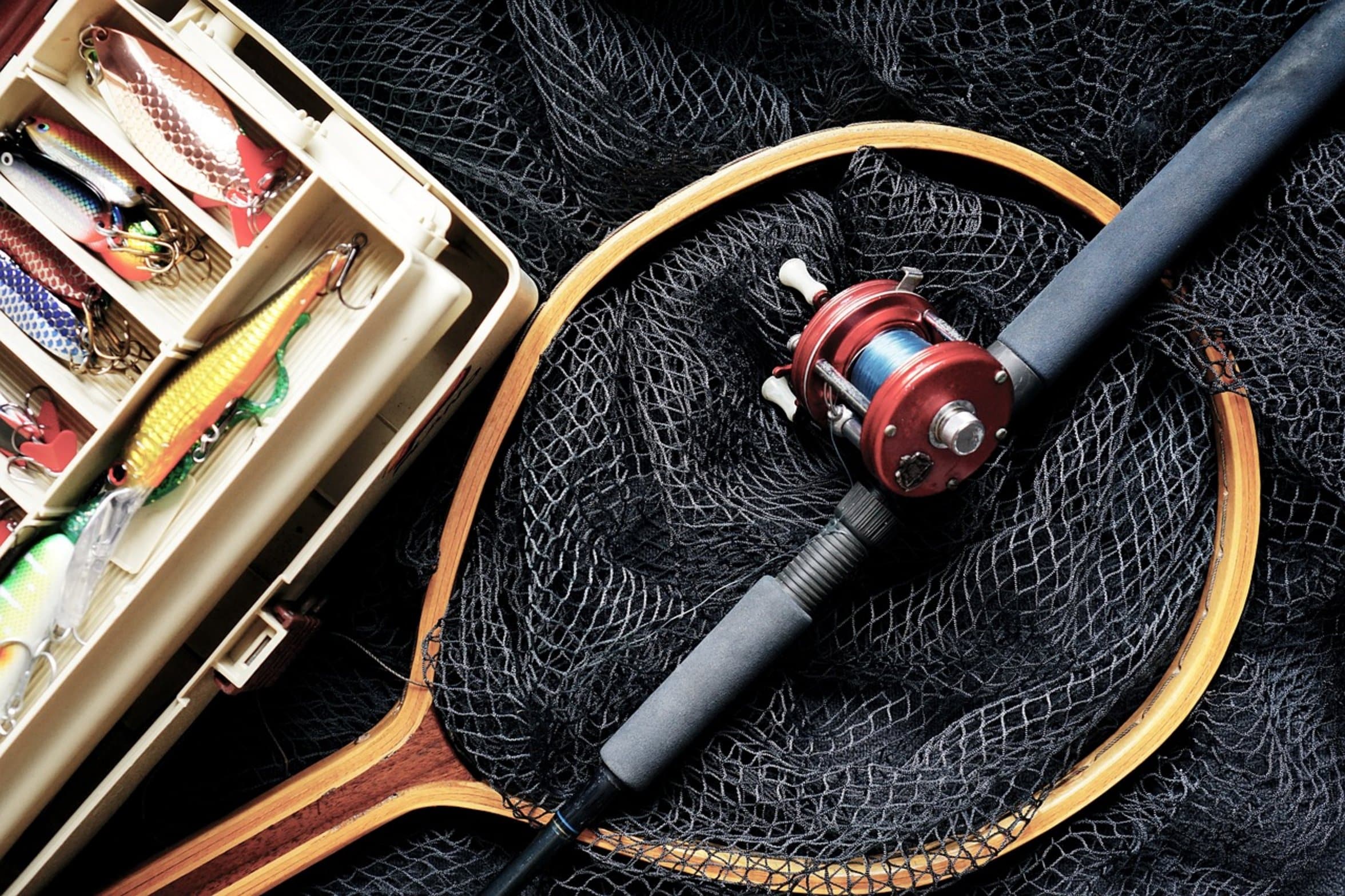
It’s not about how much power you have now but precision. You don’t need a big rod or a heavy boat to do well out here, you need a sensitive rod. It should be something that turns the smallest nibble into a clear signal right in your fingertips.
Why Specialized Crappie Rods Matter
Most angler reach for some generic light spinning rod when targeting these panfish. While that’s a fair starting point, it’s hardly the optimal choice. Generic rods does many things well but not really anything exceptionaly well.
That won’t cut it with crappie fishing. These fish is wary. The bite is frequently very subtle, and in bright light or cold water, this becomes even more of a problem.
A stiff rod blank will completely eliminate those micro-bites. That’s where specialized gear comes into play. For decades companies like Crappie Hunter have built their entire business around it.
They don’t try to build a rod that can handles both tuna and crappie in the same day. They’re creating tools for a specific type of angler (the panfish angler). And when they understands what makes those rods different, they stop guessing and start catching.
Understanding Rod Sensitivity and Material
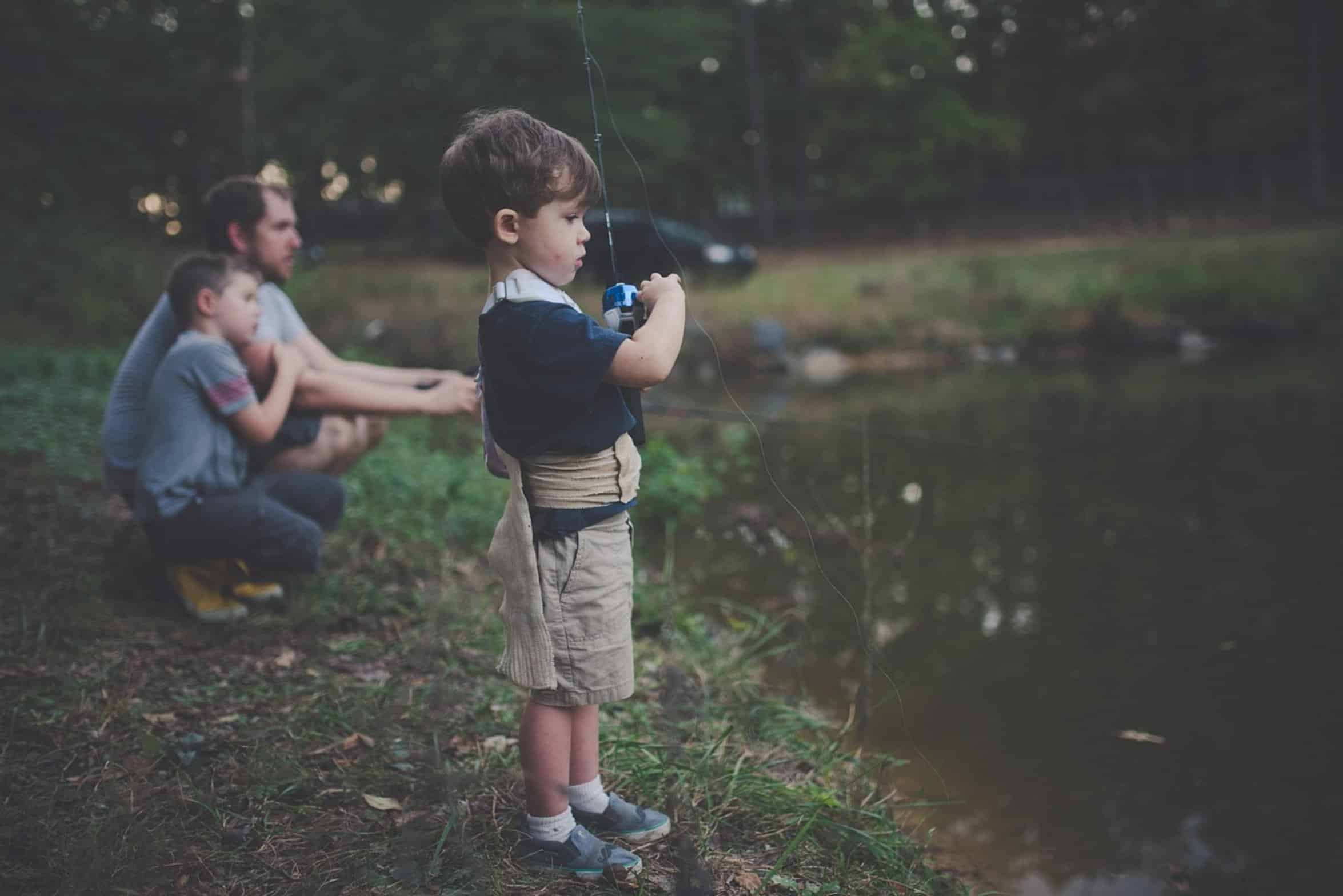
Specialized gear matches up to the unique physics off the bite. The most defining characteristic of a Crappie Hunter rod is its sensitivity. Generally speaking, these rods has composite or hollow glass blanks that are designed to pass the vibration along instead of absorbing it.
If a crappie touches the jig, that vibration transmits up through the line and then up the rod. You’re able to feel when the fish taps the jig before he’s able to resist and spit out the bait. And that split second makes all the difference between catching one or missing it.
It is not just a tool for casting but it also acts like part of your nervous system.
Action, Power, and Material Balance
Next, consider the power and action rating. Typically, crappie rods is going to have a moderate- fast or fast action and an ultra-light to light power.
The faster the action, the more it will bends in the top third of the blank. That gives you a stiff tip on which to set the hook but also allows the rest of the rod to flex enough when a fish make a sudden run. It’s kind of a delicate dance between not ripping the hook out of a soft mouth and being able to get the fish boat-side efficienty.
That balance is where the material selection also factor in heavily. On one hand, graphite has better sensitivity than fiberglass. On the other, it’s brittle when handled roughly.
A fiberglass rod is tougher and will stand up better to abuse. The downside is they tend to feel like dead sticks in the water. To strike a good balance between sensitivity and durability, many of the Crappie Hunter rods is either a hybrid design or made from high-modulus graphite.
This means you get a good sense of what is happening on the line while avoiding some of the brittleness that keeps some angler from using them. That’s a trade off and one designed around function rather than toughness.
Ergonomics and Grip Comfort
Ergonomics This may sound silly, but it matters when you spend all day on the water.
You’re going to make hundreds of short casts and hold your rod still for large portions of the day while crappie fishing. The wrong balance and uncomfortable grip can leave your hands sore in a hurry. Sore hands mean bad hooksets which mean missed fish.
Crappie Hunter rods feature comfortable EVA foam or cork grips that extend past the reel seat. These grips keeps your hands comfortable and your mind focused. The last bit of the puzzle is rod length.
Choosing the Right Rod Length
For open-water fishing, a long rod (7+ feet) will help you fight a fish well and cast further. In close quarters such as brush piles and docks, a short rod (~6-6 1/2 feet) helps you control your line better. For most applications, a good all-around rod length falls somewhere in the middle.
You get a good deal of sensitivity to feel those little bites while having adequate reach to clear cover and gain some leverage on the fish. Crappie are tricky creatures and paying close attention is key to having success on these guys. They know what’s going on out there and it can all change in an instant.
Having a rod specifically designed for them like the ones from Crappie Hunter takes the guessing game out of fishing. It means your rods is always on your side rather than fighting you. You want to be able to pick up on every tap when they stage up and the water turns glassy.
This is why specialized gear really shines through.