The right jig head for the conditions is critical to catching more crappie. Getting the size wrong doesn’t just make fishing harder; it sends the wrong signal entireley. Baitfish and vibration are what gets there attention.
Before they bite, they see and feel that jig and will give up the ghost with the wrong choice. If it’s too heavy in shallow water, it look like a predator to them. If it’s too light out deep, they don’t think they should attacks.
Current and depth matter. Most anglers will select a general weight without considering either of these factors which leads to missed bites and frustration. A good jig head allows your bait to sink fast yet float well so it looks natural while also reaching the school quickly.
Being able to balance all this translates into catching more fish different than guys fishing generic stuff.
Selecting The Right Jig Head Weight For Crappie
Why Jig Head Weight Matters for Crappie
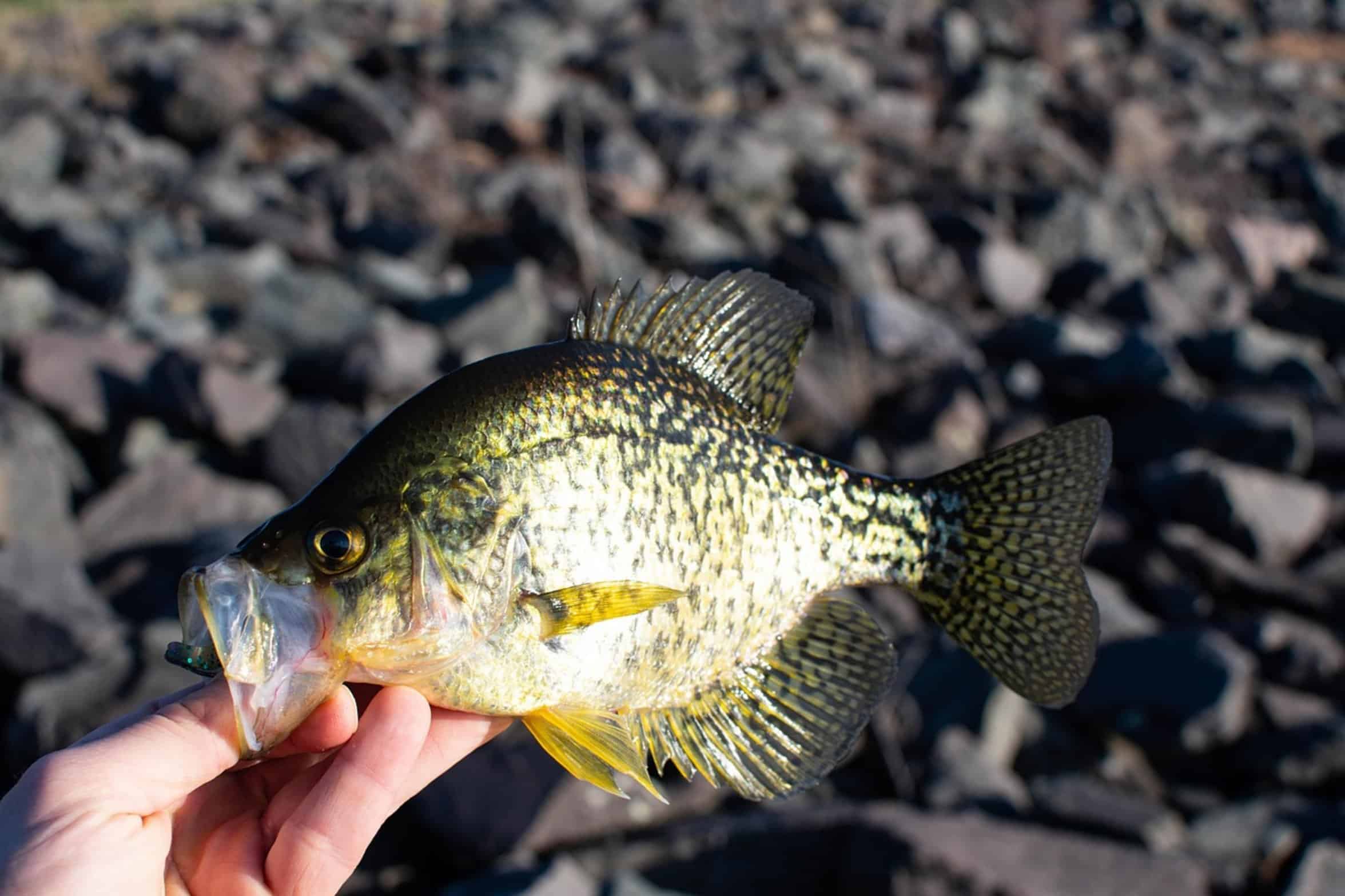
Lighter is better in shallow water: When crappie are spawning in less than ten feet, they cruise docks and brush piles like crazy. You’re looking for that light jig head, something around an eighth-ounce will do it; probably closer to a sixteenth.
Even the smaller marabou moves the most on these lightweight heads. In shallow water, if you use a heavier head, the bait fall too fast. Instead of a struggling minnow, the fish is watching a dead target.
For this situation, Berkley and Zoom Bait has some really light offerings. The idea is not to race the bait through the strike zone but to suspend it so it doesn’t sink below the feeding lane too fast. Letting the lure be moved by current or very slight movements from your rod causes the fish to see a struggling minnow and that slow fall is what gets ’em to bite.
Going heavy will either cause the hook point to bury or put you outside of the feeding lane altogether.
Using Light Jigs in Shallow Water
As it gets deeper, more mass are necessary. During the spring migration crappie will move off the shallow flats and slide back up onto the riverbanks and deeper channels.
Suddenly you’re casting in twenty or thirty feet of water. That is a little too deep for a one-eighteenth ounce jig to fall. Often, the baitfish scatter before the jig reaches the bottom.
Upgrading to a three-eighths or one-fourth ounce head gets you down fast without sacrificing much action. In this size range, they has enough momentum to cut through the water column. It also allows them to keep bottom contact while vertical jigging.
A lot of pros use the Mustad Speed Demon or the Bass Pro Shops BMS series jig for this changeover. They both has a streamlined profile that slices through the water well. You still want a bit of flutter, but now speed and control are most important.
The heavier head keeps everything from tangling up on deeper retrieves as well. The weight matters because wind and current will dictate how much weight you can get away with. When fishing a running river or a windy lake, the physics of the cast change.
Your jig won’t fall vertically; instead it’s going to move laterally. That puts the bait into the current where crappie don’t want to be. Adding weight counteracts this lateral pressure.
In tough conditions, you may have to go up to a half-ounce head just to keep it upright. This doesn’t imply that they like a heavier offering. They simply require a large enough amount of weight to deliver the bait properley.
Without enough weight, you’re stuck in the weeds too early or your lure is swimming wildly. Remember: The hook should always be facing the fish, not the wind. Fighting the elements isn’t cheating.
It’s playing by the rules of basic fishing methods. By doing so, you’ll keep the bait in the strike zone longer.
Adjusting Weight for Current and Wind
Size is important as well when choosing which jig head you use.
Bigger baits like tubes and bigger swimbaits impart a lot of drag. Even a minnow style plastic can require an extra ounce of weight just to sink properley. Bare hooks and smaller tube baits has less resistance on their descent.
So make sure the size of the head matches the amount of bait so they look naturaly. A big head on a small tube isn’t natural and looks awkward. And a tiny head on a large swimbait causes slow, unconvincing falls.
Read the packaging, but use your eye more than anything. Get the bait out on the rail of the boat or in the bucket and watch its motion. Does it seem awkward?
Adjust the head until it doesn’t. It has to have the same profile as the surrounding forage. Crappie aren’t dumb.
They know when they see something that weighs about as much as a minnow. Make the movement and weight as close to reality as possible. You don’t beat Mother Nature.
Matching Jig Size to Bait Type
Size matters. You have to experiment and pay attention to size. Begin with the middle of the road size and make adjustments based on how many bites you get.
Do you notice they is hitting it as it falls all the way to the bottom? Maybe you’re descending too quickly. Make it lighter.
Are you losing your baits in the weeds before getting down? Then you need to go heavier. The perfect size for the jig is the size that keeps the bait in their faces the longest period.
It is not powerful fishing but precise fishing. And when the weight, the bait and the current line up, then it will all work out perfectly. The crappie see what they expect.
They bite what they trust. Learning this balance will result in catching more fish.