Finding a pond that holds crappie close to home will alter your approach to fishing for them. It’s no longer plotting out a weekend trip and instead it’s throwing on Tuesday night after work. You’re getting to know the water better because you fish it more.
How To Locate A Local Crappie Pond
Finding the Right Pond
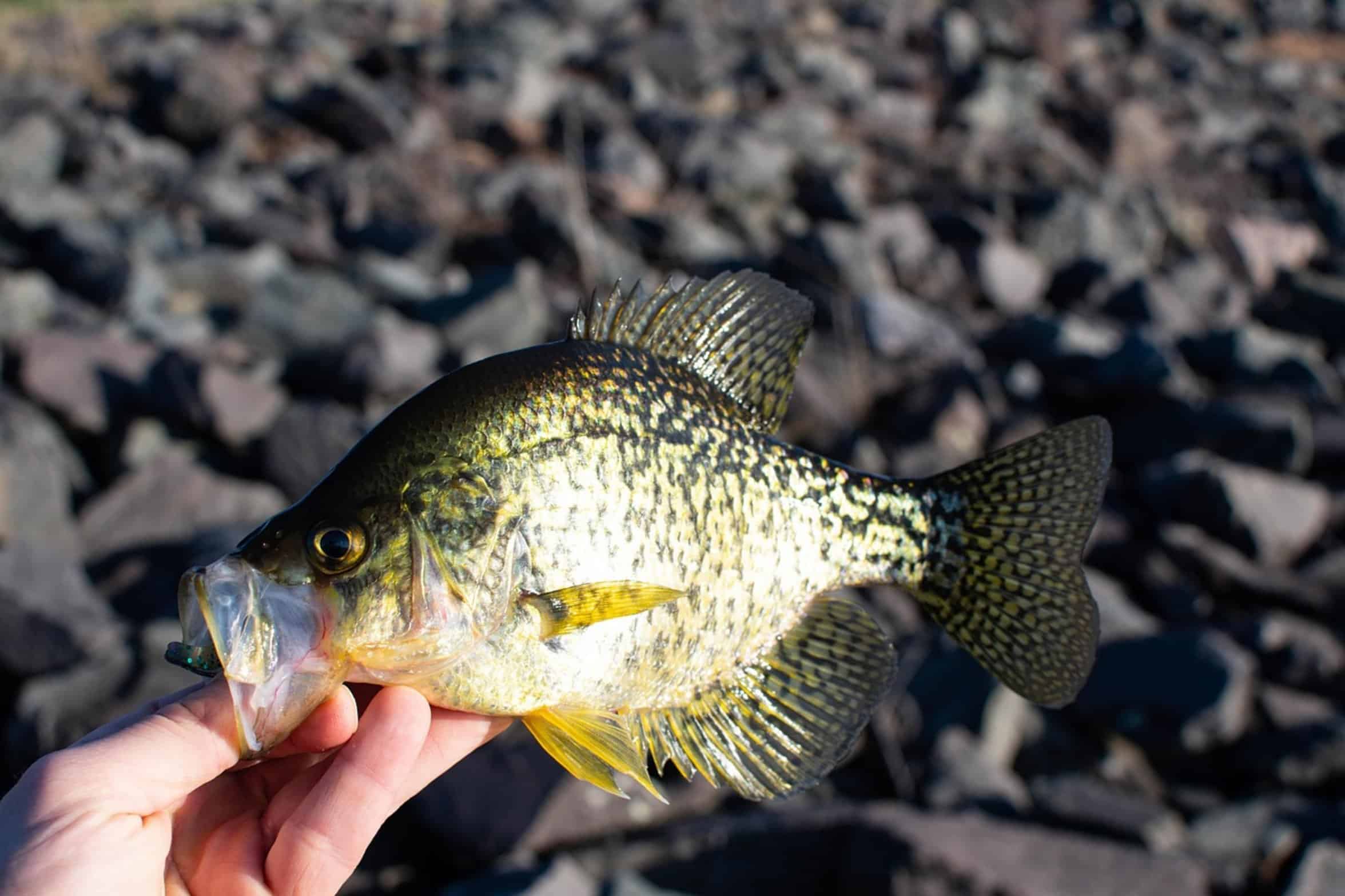
It becomes a game of identifying the correct water. You must get beyond the sales pitchs and learns what crappie require to sustain themself in confined spaces. Everyone begins by looking at map app.
This is where you go wrong. While digital maps can shows depth contours and boundaries, they often don’t tell you about biology. For instance, what appears as an ideal pond on your computer screen with crisp lines and contour lines may not support life.
It could also be overpopulated with stunted fish. On the ground verification using some sort of human info are needed, and the best source of that information is someone in charge of water. Talk to person who owns the pond or to your local wildlife agency.
Verifying Stocking History
Get details on stocking history. Because crappie do reproduce well in warm water they require food. Ponds where crappie was stocked years ago without establishing a food supply will probably have small and hungry fish.
Seek out ponds that has a balanced ecosystem. Typically this mean there is bluegill, channel catfish, and perhaps even carp present. Other species such as these indicates a healthy food web.
And the crappie have something to eat. This is the piece that casual angler often miss. So you found a potential pond?
Understanding Water Clarity
Now what? Take a look at the cover. Crappie are ambush predator.
They don’t go out and actively seek prey very often. They position themselves around structure. They hide around a dock, a downed tree, submerged vegetation, or even just brush pile on a natural lake.
Seek out water with a little color but not to much. The clearer the water the deeper the fish will hold and more harder it will be to find. Too muddy and maybe you’ll get lucky enough to catch one but more than likely you won’t see where they moved from.
Somewhere right in between is ideal, where they can get cover but you can also see your lure.
Timing Your Fishing Trip
Secondly, location isn’t everything but timing can be everything. Crappie are coldwater fish and will bite their best when the water be between forty-five and sixty degrees Fahrenheit.
So, that’s early spring and late fall. You want some shade on those crappie if it’s really hot in the middle of the day during the summer months, then they pulls up shallow or go deep. If you’re fishing a little pond in July…well, get ready to fish deep or hang out at twilight.
Don’t waste your daylight hours when it’s hottest outside. Those fish won’t cooperate and your odds decreases a lot. Match your gear to the surroundings.
Choosing the Right Gear
These nervous critters is spooked by heavy tackle. Go light with four to six pound test line and a light action rod. Presentation’s more important then power.
Selecting Effective Baits
A small jig dressed up with either a soft plastic grub or live minnow on the hook will do the trick. S-l-o-w down. You’ll find that crappie follows your lure for minutes before biting.
They loses interest if pulled in too quickly. Patience is the currency. This is Crappie Pond.
A local crappie pond is a subtraction exercise. You subtract the ponds that are poorly managed or they are heavily fished. You subtract the ones with good looking water, but no structure.
You’re down to the spots that has life. When you find one, guard it, and when you fish it, fish it lightly, and let it heal. And the next time you go back to it, season after season, it’s a laboratory of sorts, just for you.
You get to learn its mood, and you know exactly where to find those slabs hiding. Eventually you realize it wasn’t about the drive; fish were there all along.