We all have had those days where we throw that generic crappie jig out and it just doesn’t get bit. You stand there at the water’s edge waiting for slight tick of the line. Nothing.
No matter how hard you try, fish aren’t biting. But you know they’re there. It’s not you.
It’s that the lure is missing proper detail that crappie demand. A chosen collection of jigs changes guessing into knowing. Tackle bags are Junk Drawers A good many anglers view their tackle bags as junk drawers, it’s where they stuff all the stuff that has caught one before.
Essential Components of a Crappie Jig Kit
Organize Your Tackle Bag System
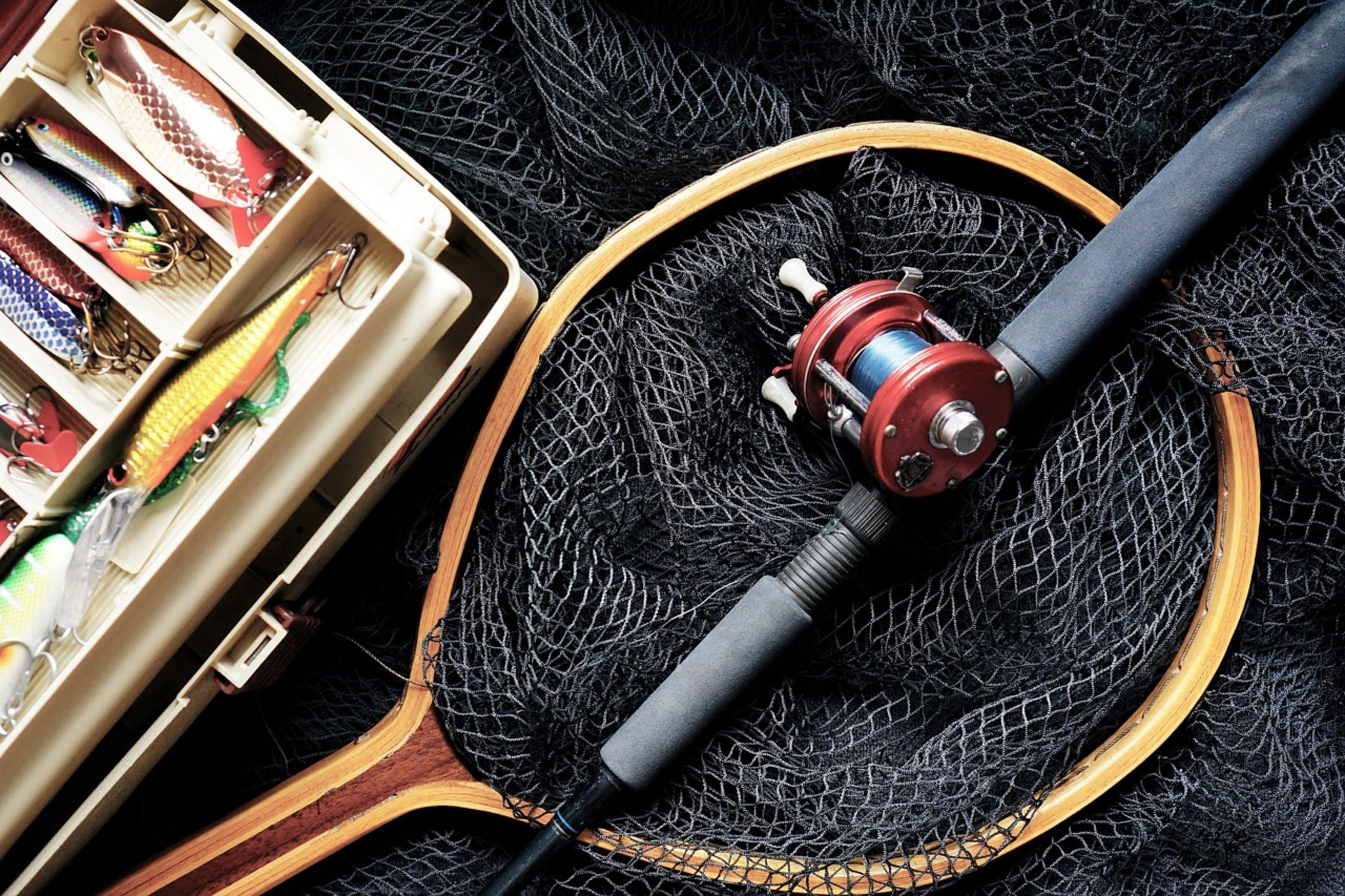
That change when you need accuracy. When you’re fishing for crappie, it isn’t really about having a bunch of lures. It’s about having a system that address the mood of the fish, the time of day and water clarity.
Knowing what should of been in that bag explains why your catch rate may be stalling. Finally, head and hook combinations are the heart of your crappie jig kit. Weights range from one-eighth to five-eighths ounce, but shapes varies even more importantly.
Head and Hook Combinations
Flatter heads helps the jig suspend well in open water while football heads cuts weed nicely. Hooks like those found from Mustad or Bobby Garland is also designed for their unique gape angle to ensure better hooksets on the small, bony mouths of crappies. Get hardware right and you stop losing fish due to poor penetration.
Then there’s the skirt, which has both movement and flash, something that make crappie bite. Because crappie are visual predators, the right color and type of skirt will makes all the difference. Berkley and Zoom make skirted jigs with larger profile to look like schooling bait fish.
Skirt Color and Profile
Naturaly colors such as silver, smoke and chartreuse work best in clear water scenarios while brighter pinks or oranges is good in low light or muddier waters. It’s the illusion of life that a bare hook just can’t give you. Finally, many of these kits come with marabou variations or even hair jig.
Marabou and Hair Jigs
Why? Because hair jigs has a more natural and slower fall different than their plastic skirted counterparts. And that’s deadly when the crappie’s metabolism slows down in cold water.
The hair fiber moves ever so slightly which imitates a minnow better then any man made lure does. That’s especially true in late fall or early spring when it comes down to that one difference. Having both styles of jig (hair and skirt) in the same kit allow you to cater to fish based off the time of year.
It also means you do not have to buy multiple box. Finally, a spinner blade or a jig head with built-in blades can used as a presentation aid. They adds flash and vibration that finds scattered fish before you pull out your normal jig.
Spinner Blades as Scouting Tools
It is both catching tool and a scouting tool. Assembling a kit create a vocabulary of lure in your mind that talks the water’s language. When you’re making your shopping list for next visit to the tackle store, avoid the temptation to reach for whatever is the least expensive on the pegboard.
Diversify by material, color and profile. When you have a good system going with your jig box, that random day of fishing become a purposeful pursuit. You’ll be able to read the water better, react quicker and keep your line tight more frequentely.
Having the proper bait in your hands makes all the difference between an empty cooler and a table full of white bass fillets.