Use big bait for big bass. It seems like everyone believe that you have to throw big bait at the big bass. It makes sense, they have bigger mouths so they should eats something bigger, right?
You see all of the tournament guy flashing big topwater baits on the fish they catch for trophies. However, they do not take the bass’s metabolism into account. They also overlook how much seasonal pressure the fish face and even water clarity.
When push comes to shove, big bass is opportunistic fish and will quite often pass up a loud lure to feed on more subtle offering. Unlike the idea of “go big or go home,” the Popeye Jig goes against what people usualy think. Your confidence and presentation are far more important then your package size.
Why Small Lures Catch Large Bass
The Myth of Big Bait for Big Bass
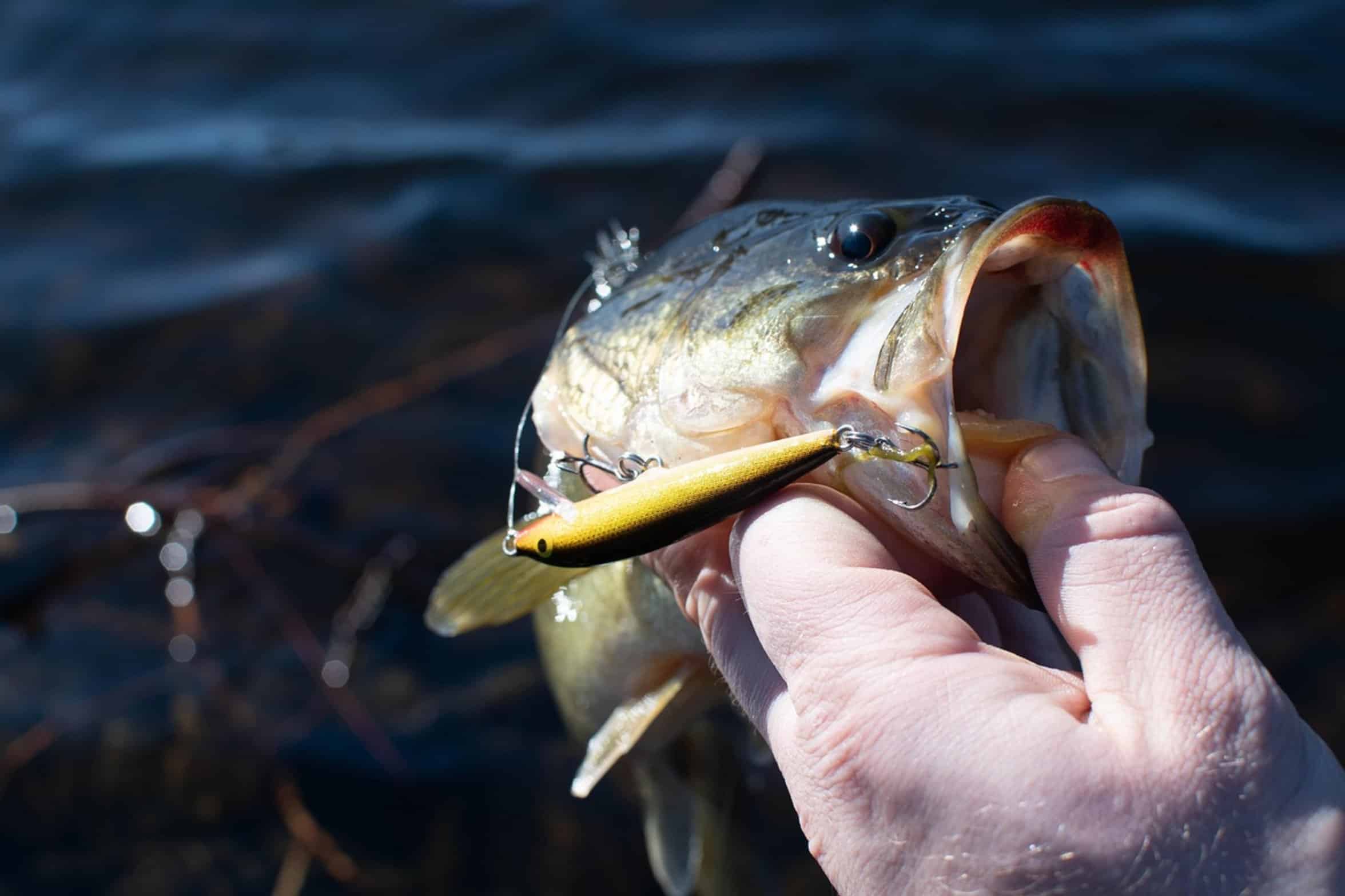
Because it’s small, yet retains appearance of a crippled crawfish or baitfish, you can catches big bass without triggering their defensive instincts. How it swim through the water is what makes this bait work. It will look like something struggling and not getting away fast enough.
Bass around cover react to this and goes for it. The size doesn’t have to be big to get bit. It is just a realistic offering they feel good about busting.
Design and Mechanics of the Popeye Jig
To understand the Popeye Jig, it is important to look at the design. A soft plastic trailer and weighted head is critical components. When combined, this offer a fast descent to reach structure while the trailer provide lifelike action.
These elements result in a fall that attract suspended bass. It’s not a swimming bait like a crankbait. It falls and twitches like something easy to catch.
Lure choice play a big role with water clarity. The profile of the Popeye Jig catch their eye without being overly aggressive in stained water. Both bright colors and natural patterns reflects light in a way that attract attention.
But it is still small enough to appear more naturaly. And this is key when fishing pressured fish. Something larger may appear suspicious in clear water.
Fishing Structure and Close Quarters
The Popeye Jig appear as a legit meal. This is a better structure targeting jig. Bass sits on tops of brushpiles, logs, and rocks and ambush prey.
The Popeye Jig can be fished just over them and right next to them. It can be thrown to the top of a rock pile and dropped on it. This is hard to do with bigger jigs as they requires some room for casting.
The smaller size work well for fishing in close quarters. The type of retrieval does make a difference though. Most of your bite will come on a slow and steady retrieve with intermittent pauses.
Retrieve Techniques and Seasonal Adjustments
These pauses gives the lure time to sink and act like piece of bait resting there. The pauses triggers strikes from bass that are too lazy to chase a fast-moving target. It also give them more time to decide to bite.
Be patient, and you will be rewarded. Seasonal changes dictates how the bass react to it. Colder water mean bass is more lethargic and will respond better to slower retrieves.
The Popeye Jig has a very natural fall rate that gives the fish time to follow it without burning too much energy. Warmer water can lead to more reaction strikes from a faster retrieve. Being able to use it in different seasons are a nice feature of the lure.
Affordability and Hookup Ratios
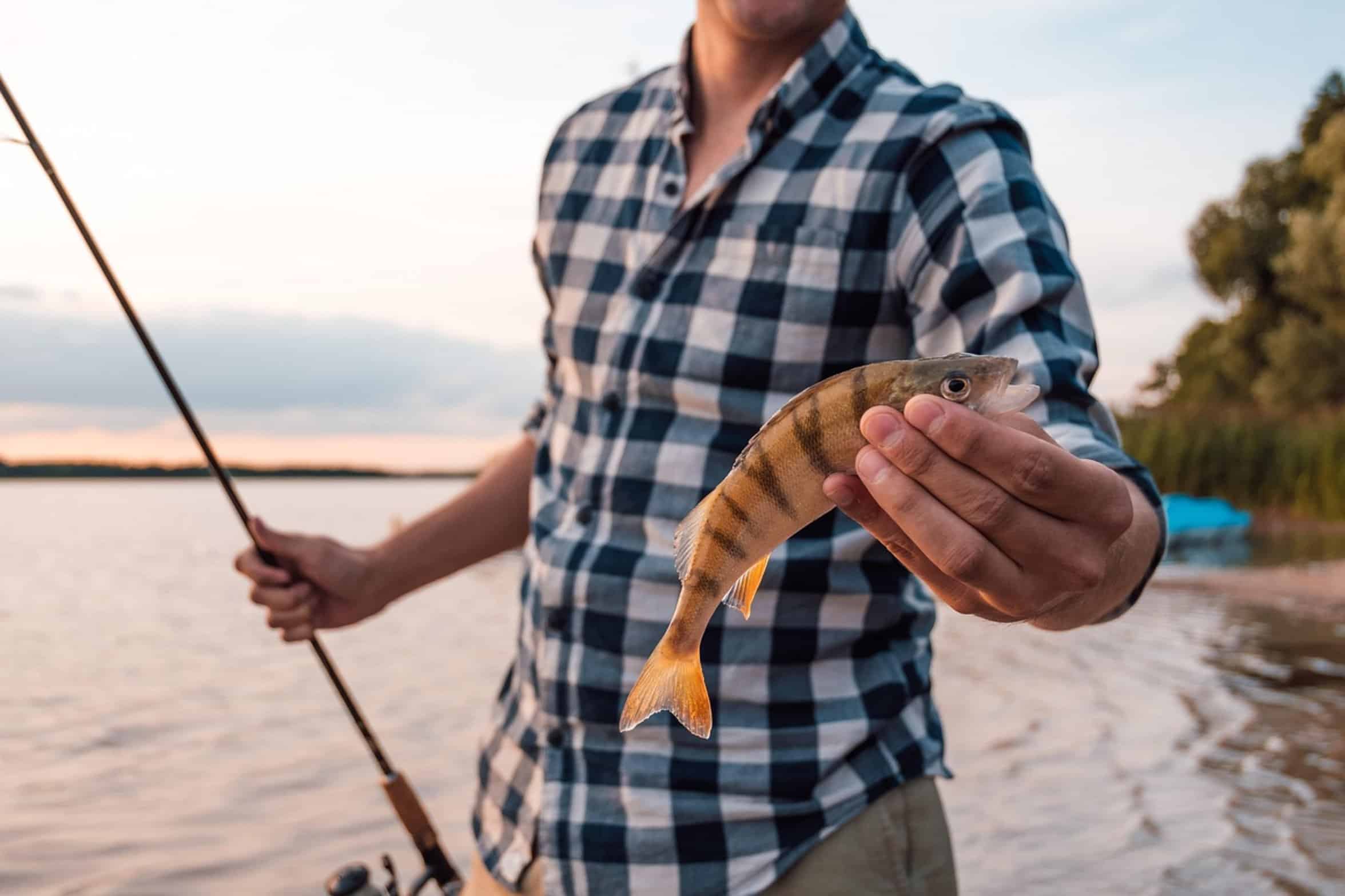
The Popeye Jig is readily available and affordable. Catching a big one doesn’t require you to break the bank with expensive equipment. Basic rods and simple rigs gets it done.
That in itself create a level playing field between the amateur angler and pro. Small bait and big slabs, it’s a simple premise. The fish sees something familiar and know they can eat it.
Give them the right look in a natural size and you’ll get more bites with less hesitation and better hookup ratios. That’s why the Popeye Jig exemplifies the theory of small bait and big slabs. It demonstrate how to catch a trophy without big bait.
This technique take patience and practice, but it’s worth it. You’ll have to get comfortabley with how the water reads, and what type of retrieve work best. There’s something about catching a big bass on a small lure that will make you feel good.
It makes the process worth it and reminds us how important being subtle can be. If you’re not getting bit as well as you’d like while fishing, consider going small. You can trust the subtlety.
You can trust the fall. And let the fish find you with a Popeye Jig.