When crappie fishing, it’s more about finesse then raw power. They’re notoriously finicky fish and will sometimes turn their nose up at a perfectly good-looking lure. Your presentation matter and little nuances make all the difference between an empty livewell and a full one.
That’s why having a good jig tying kit makes sense. It turns you from a pre-tied lure buyer to an angler that can fine tune colors, weight and other reaction qualities based off the given situation. “Building your own rigs gives you more control than most anglers think.
Essential Components for a Crappie Jig Tying Kit
Why Building Your Own Jigs Matters
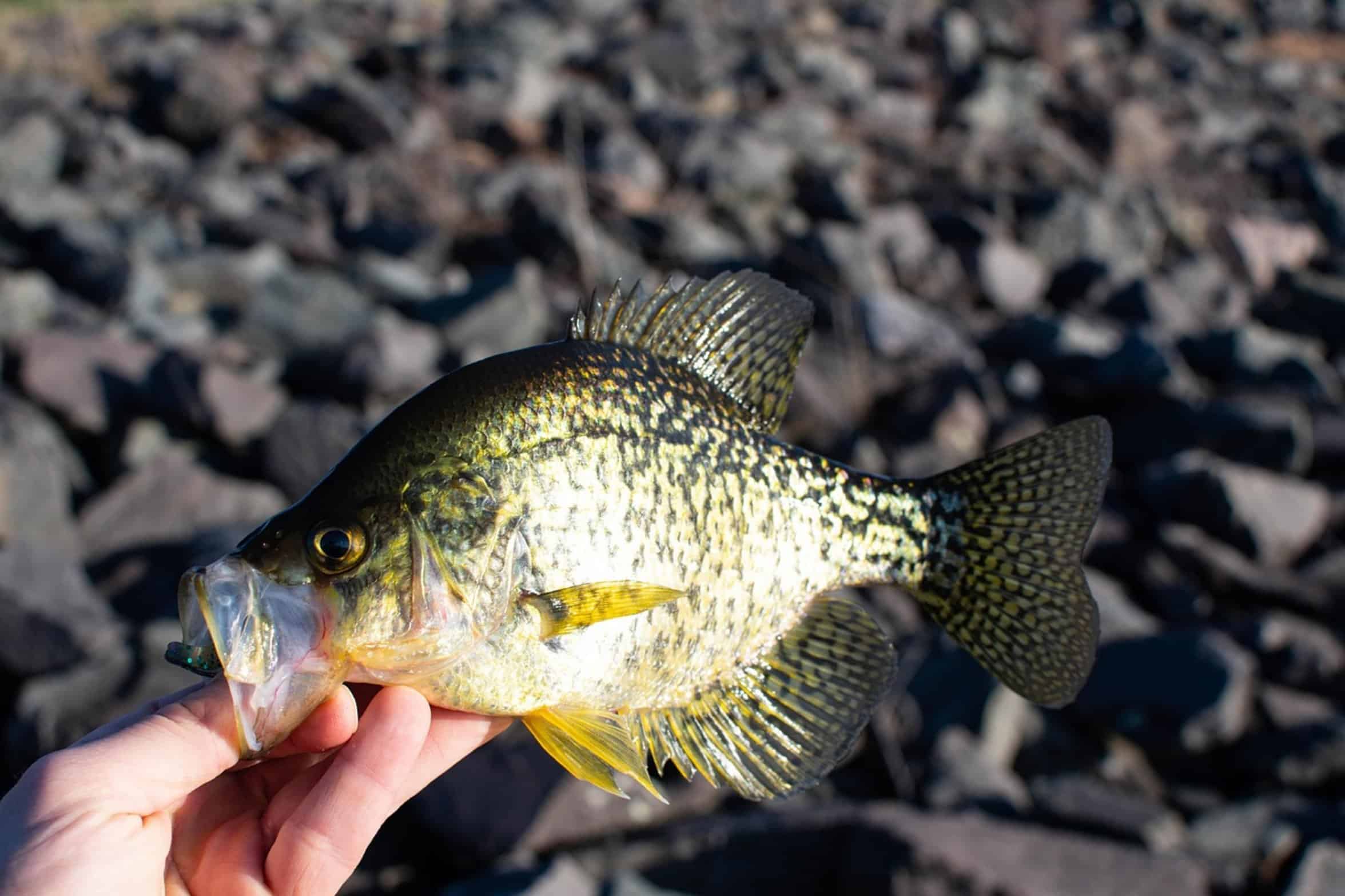
Pre-packaged jigs provides generic combinations that may not work with the water clarity or light level on your spot. By building your own, you can easily adjust based off conditions. If the fish are suspending deep, swap out a heavier jig head for something lighter.
Need to make the color of the skirt stand out in murky water? You should of swapped it out for something different. The ability to build rigs your way is part of what makes crappie fishing rewarding.
Choosing the Right Jig Heads
Jig heads is the heart of any good kit. To cover all your retrieves, you want various sizes and shapes. For those big winter fish, you’ll want something like an ounce to one eighth.
On the other end, you’ll want size ranging from 1/32 oz to 1/8 oz. For trolling and around cover, a straight shank head work best. For deeper water and vertical presentations, drop shot heads is hard to beat.
It lets you match your retrieve to the sink rate that suits you. A good hook are more important then how many you use. Your lure is only as good as its hooks.
Selecting Quality Hooks
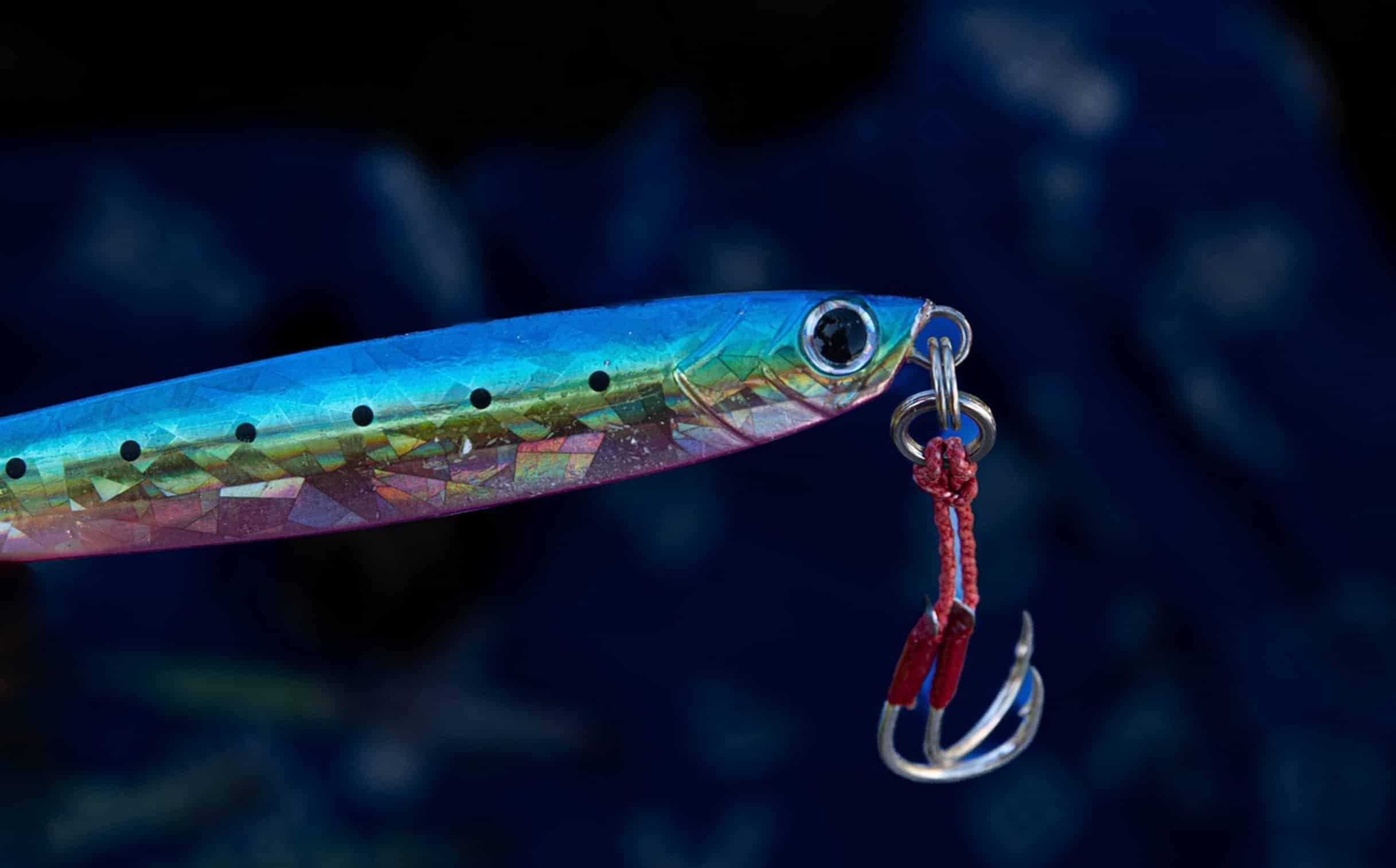
Crappie hooks is slightly bent over to turn them fast and keep the fish turned on quick. That keeps the hooks from pulling through soft crappie lips during the hook set. Good brands like Mustad and Gamakatsu provides strong wire and sharp point hooks in a good line.
Since crappie have bony mouths they can dull even a good hook fast. Lost fish on dull hooks is annoying enough but add it to an ill-tied knot then you realy get ticked off. The jig comes alive with a skirt A jig becomes something else.
Picking Skirts and Colors
It gets a little more action from the skirt and has a profile similar than shad or other baitfish that trigger an instinctual strike. The rubber skirts have good form retention and last a long time. Marabou and deer hair skirts also pulse more realisticly in the water.
And color matters too. But don’t make it complicated. Silver, white and chartreuse cover most situations.
White in dirty water. Use chartreuse in clearer water. Silver mimics baitfish scale patterns.
A combination of all three of those colors will cover your bases when the water clears up or turns dingy. How are your tools? The way you put it all together make all the difference.
Essential Tying Tools
Here is what you will need: A basic vise keeps the jig head still as you wrap on skirts and beads. These beads not only create a slight clacking noise, but also shield the knot from abrasion against the hook eyelet. A set of small scissors are necessary for cutting any extra rubber or thread.
Many budget jig kits neglects such essentials. Before long, you’re tying knots by hand and losing valuable time at the dock. Splurge on quality scissors and a heavy-duty vise.
They’ll save you time and prevent frustration at the dock. It’s all in the knot A good knot hold everything together, while making it hard for the skirt to spin off of the hook shank. For most situations, the Improved Clinch Knot is solid.
Mastering the Knot
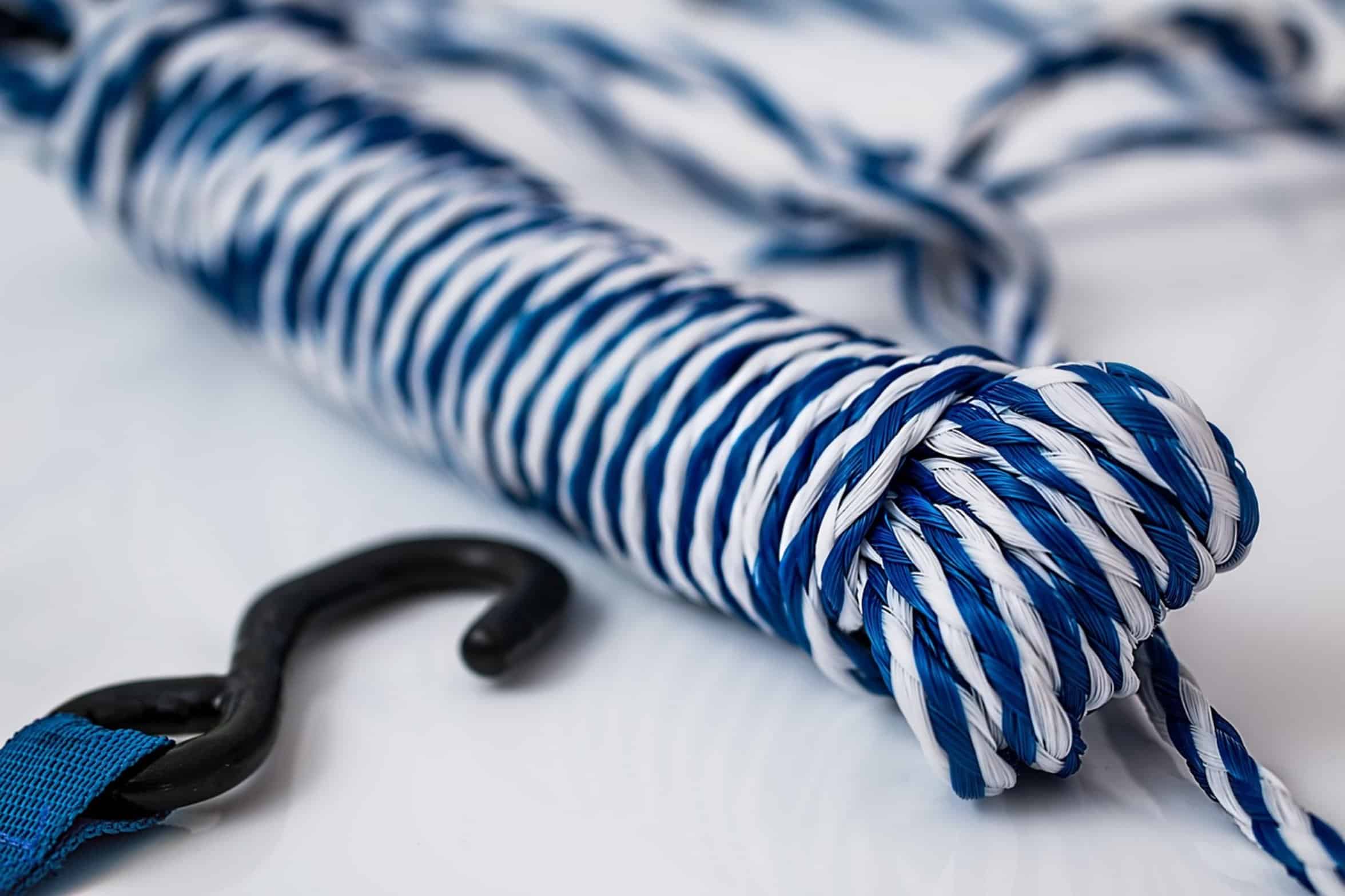
But some folks swear by the Uni Knot because they’re consistent and quick. Just know that practice makes perfect; a sloppy knot will result in losing lures and tangled line. If you get the hang of it, you can tie on a jig in under half a minute.
And that efficiency allow you to adjust your tackle on the fly during the day without missing a bite. Saving money isn’t the only reason to make your own crappie jigs. Doing so also puts you further down the rabbit hole of understanding this art form.
Once you know the ins-and-outs of a jig, you begin to think like the fish. A brighter skirt attracts more attention in lowlight conditions. A heavier jig fall quicker in colder temperatures.
These small tips add up with practice and eventually lead to better days fishing. Next time you’re headed out, leave the tied on jigs back home. Your rod tip will appreciate it.