When you cast out and your lure floats on top of the water, you get annoyed because that’s not what was supposed to happen, it’s not supposed to float up there. It should of sunk. But it didn’t.
And now the fish that you’re trying to catch is down there while your bait are up here and skipping around doing nothing. It’s not an issue of lack of fishing skill; its a physics issue. So many people assumes that throwing bigger, heavier lures will solve their problems.
Sometimes it does. Other times, however, it won’t if skill beat strength. This solution is often not a rod or reel change.
Choosing Fishing Weights For Different Conditions
The Physics of Lure Depth
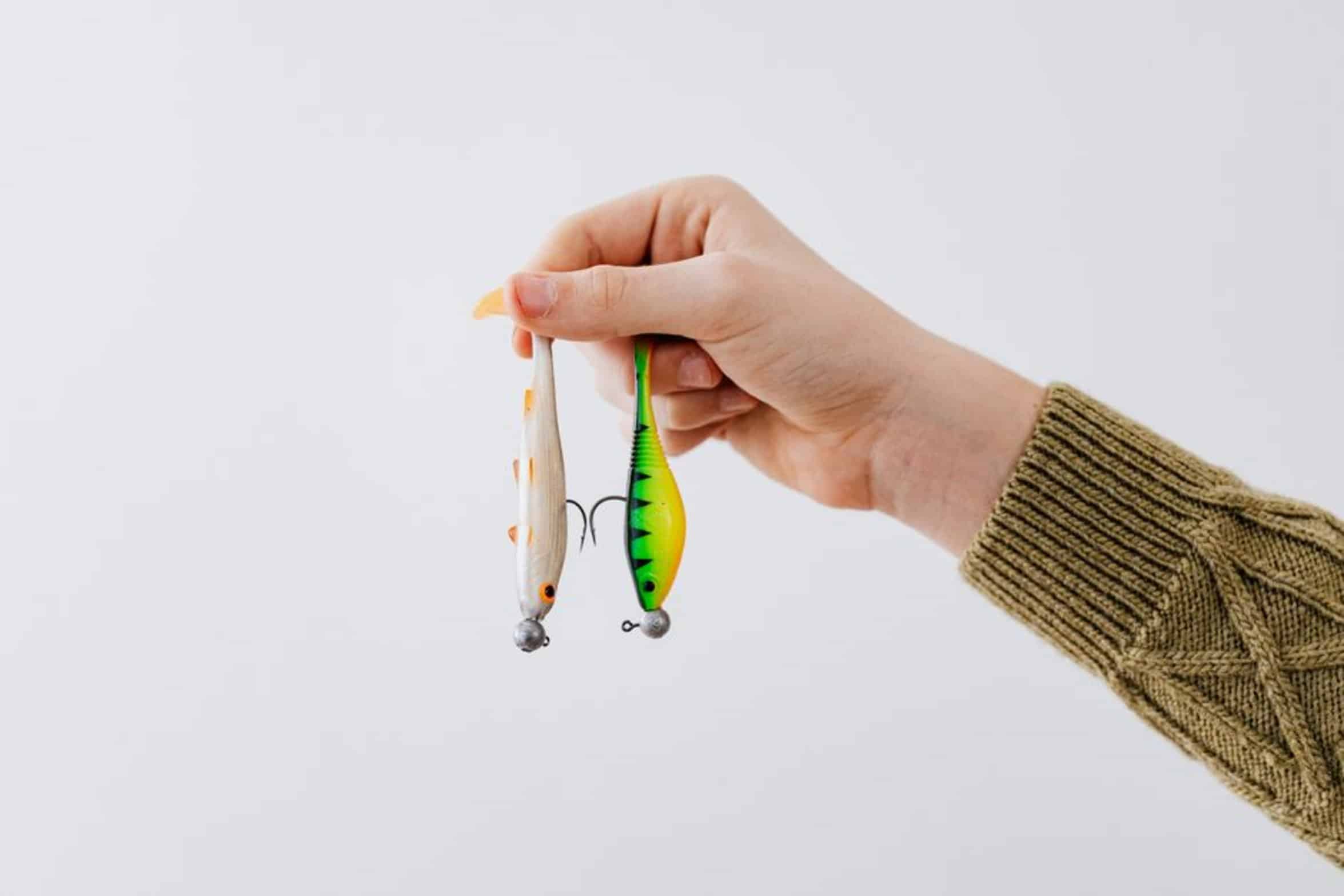
Often it’s a small bit of metal on the end of your line. There are lots of different shaped weight, but most guys makes their mistake by choosing between a 1/32 ounce weight and a smaller one. The correct amount of weight will affects the action, speed, and depth of your lure.
If you get it wrong, it runs unnaturally. Fish is visual predators. They knows when something isn’t quite right.
Starting With 1/32 Ounce Split Shot
For this reason, the 1/32 ounce split shot should always starts out as your go-to weight. It is light enough that you can still maintains a light presentation but heavy enough to sink a hookshot down in the first few feet of water. A lot of angler start out with just a box of these and throw ‘em on everything.
Big mistake. Your choice in weights needs to depends on the conditions. Is it slow?
Is it clear? Might be too heavy. Is it fast?
Might be too light. You gotta read the water. The 1/32 ounce is your best friend when moderate wind and current is present.
Adjusting Weight for Water Conditions
This size give you a little extra sink rate for getting down into strike zone fast. And again, if you’re throwing small plastic a decent distance, this will help. The extra momentum allow the lure to carry further without appearing too heavy in water.
Consider it the baseline. Your safe bet. Something that can be used in ponds, rivers, lakes and places with flow that’s not aggressive.
You don’t want it to fall too slow or collect debris, yet still fall naturaly. Sometimes you drop a little less than 1/32 ounce. When do you do that?
Fishing in High Clarity Water
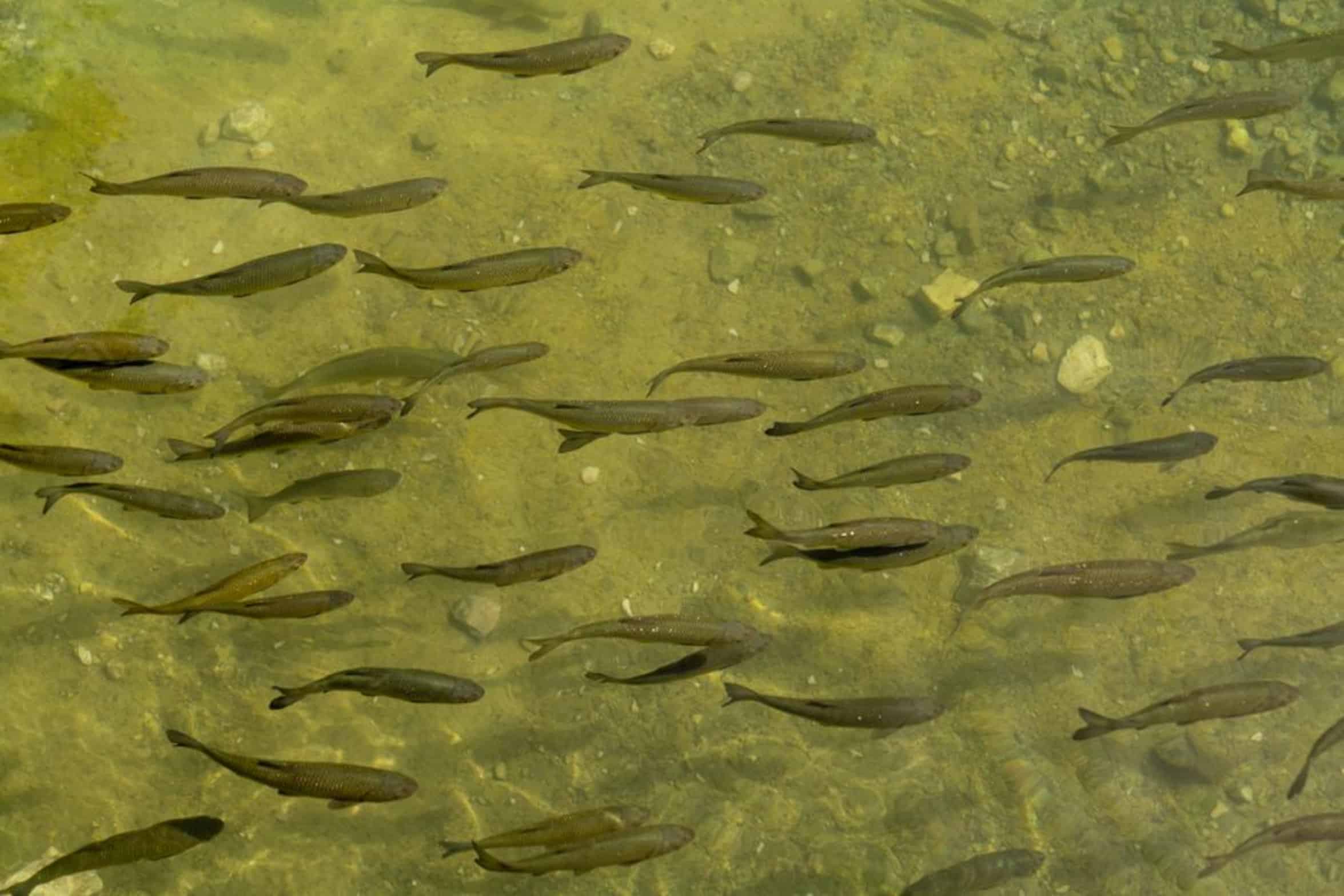
This happens in tactical situations, such as high clarity where fish is spooky. Why drop a little less than 1/32 ounce? Because now your lure will falls slower.
When does a lure fall slowly? When does it get struck? When it’s falling slow.
Often bass and panfish hits a bait because they think it’s drifting naturaly or dying. Avoid using a 1/32 ounce weight in glassy water because it make the lure drop like a stone and look suspicious. Drop a 1/32 ounce weight on a lure.
It falls like a stone. Suspicious looking. A small egg sinker or even a micro sized split shot will change the fall rate significently.
Lure hovers. Drifts. Looks vulnerable.
Sounds right for vulnerability. The one variable that completely change this equation is the wind. Wind will blows those lightweight lures all over.
Using Fixed Weights in Wind
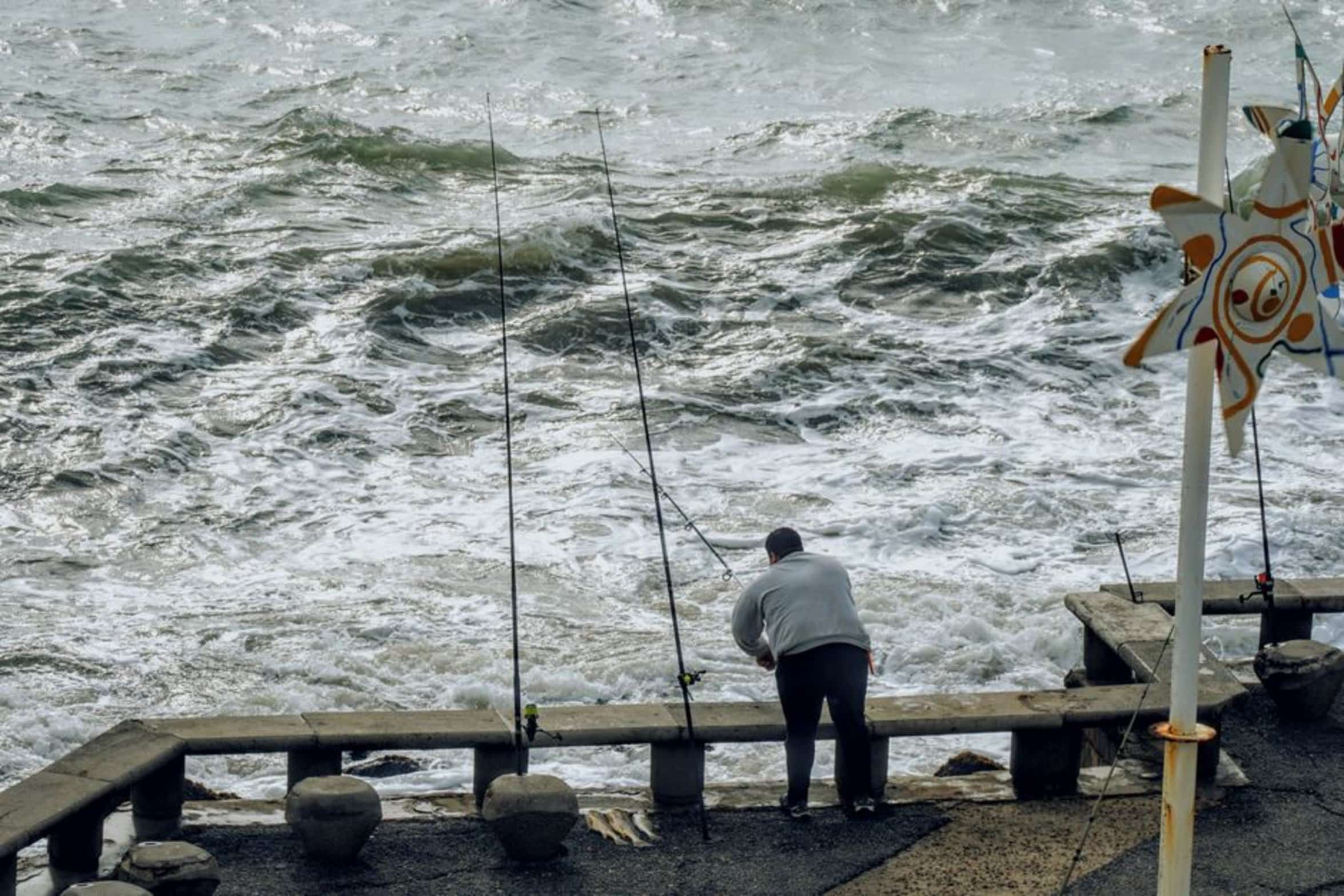
It’s tempting to put some weight in there to help with casting. Trouble is, too much weight will kills the action. So you’re not going to go up and you’re not going to go smaller, but you may go to something different with your weight.
Something like a fixed weight or a bullet weight can be more stable than a sliding split shot. When the wind subsides, though, switch back to the lighter weights quickly. You always want to give it away as naturaly as possible.
Matching Gear to Weight
Think about the rod action too. When you add a heavier weight to a soft-action rod, it doesn’t feel right. Sensitivity are lost and you bend the rod too far.
Subtle bites won’t be felt. Matching your gear to your weight is key. Each ounce matter when fishing an ultra-light outfit.
Even a 1/32 ounce weight can make a difference in how balanced the rig is. No weight may actualy be the best weight on some occasions. Let the lure do the work.
Observing and Tweaking Presentation
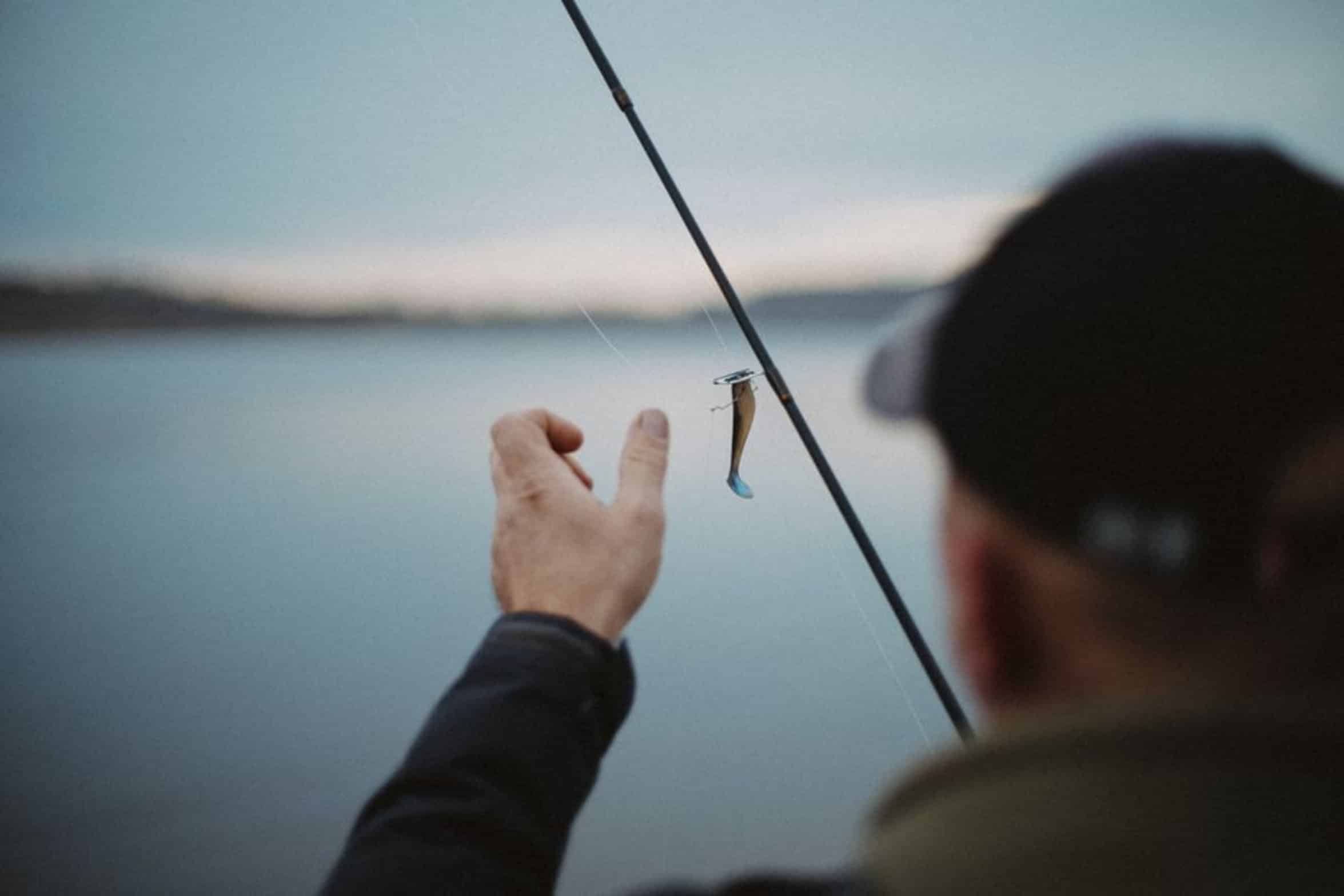
The chart isn’t gospel, Believe your eyeballs more then the chart. When do you go up or down in weight? There is not a one-size-fits-all answer.
Just observe the lure. Is it skipping? Is it sinking too quickly?
Adjust as needed. Begin with the 1/32 ounce weight. That’s a nice starting place.
And then tweak from that point. Go lighter if they are not biting. Maybe it’s slowing the lure down and giving ‘em a more natural presentation that surprise them.
It’s all about balance.